The Biden DOJ is playing dirty games with Trump and everyone can see right through it.
On Friday, the Justice Department urged the U.S. Supreme Court to reject President-elect Trump’s request to delay a ruling on a potential TikTok ban, set to take effect just before his inauguration. The Department, under Attorney General Merrick Garland, doubled down on its stance that TikTok, a platform owned by the Chinese company ByteDance, poses a significant national security threat.
Garland emphasized that TikTok’s extensive data collection, which includes information from approximately 170 million American users, makes the platform a prime tool for espionage. He highlighted that the Chinese government could use the app as a covert instrument for influence operations, especially given ByteDance’s ties to China. As Garland put it, “TikTok’s access to sensitive data and its role as a major communication tool makes it a powerful weapon for influence and surveillance.”
Concerns over ByteDance’s Chinese ownership and the control exercised by founder Zhang Yiming have been central to the debate. Despite being a privately held company, ByteDance is still largely controlled by Zhang, who holds more than 50% of its voting rights. This structure has led to fears that the Chinese Communist Party could exploit the platform during critical moments, such as a national crisis, to further its geopolitical goals.
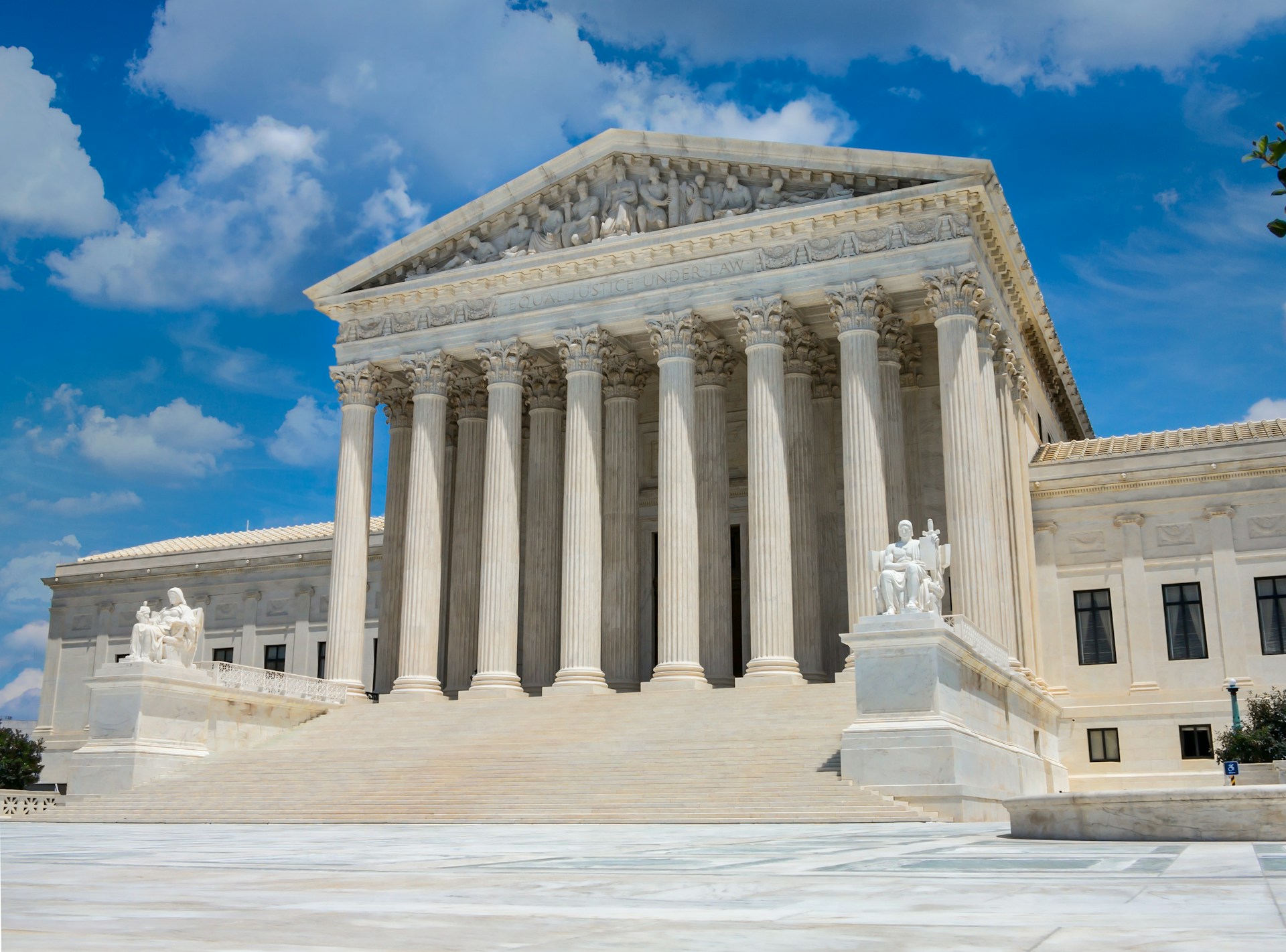
A ruling from a lower U.S. appeals court in December upheld the potential TikTok ban, and the Supreme Court agreed to fast-track the case. Trump’s request for a delay stems from his hope to broker a resolution that might allow the platform to continue operating in the U.S., after discussions with TikTok’s CEO, Shou Zi Chew. Chew, who appeared before Congress last year, defended TikTok’s commitment to user data security, but critics remain unconvinced.
Supporters of the app, including prominent Democrats and Republicans like Senator Rand Paul (R-Ky.) and Representative Ro Khanna (D-Calif.), argue that banning TikTok would violate the First Amendment by restricting free expression. However, Garland countered this argument, stating that the law targets foreign control of communications platforms, not the content shared by users. He reaffirmed that the legislation would not suppress free speech but would instead protect U.S. interests by preventing foreign adversaries from gaining undue influence.
The Supreme Court is expected to issue a ruling by January 19 to determine whether TikTok will remain accessible in the U.S. Should the court rule in favor of the ban, TikTok would be removed from the Apple and Google app stores. Oral arguments are set for January 10, intensifying the stakes in the ongoing battle over the app’s future.
President Biden, despite supporting the ban, has the authority to delay it for up to 90 days if TikTok takes significant steps toward divesting from Chinese control. Trump, however, has continued to voice strong support for the app, pointing to its popularity and engagement—his own TikTok account has garnered over 1.4 billion views.
This issue highlights the growing tensions between national security concerns and free speech, with the future of one of the world’s most popular apps hanging in the balance. As Republicans and Democrats continue to debate, the outcome could set important precedents for foreign influence in the digital age.