Here’s what could happen next.
A debate is emerging among a small group of Republican lawmakers after President Donald Trump renewed public discussion about Greenland’s strategic importance — comments that some critics warn could escalate if taken too far.
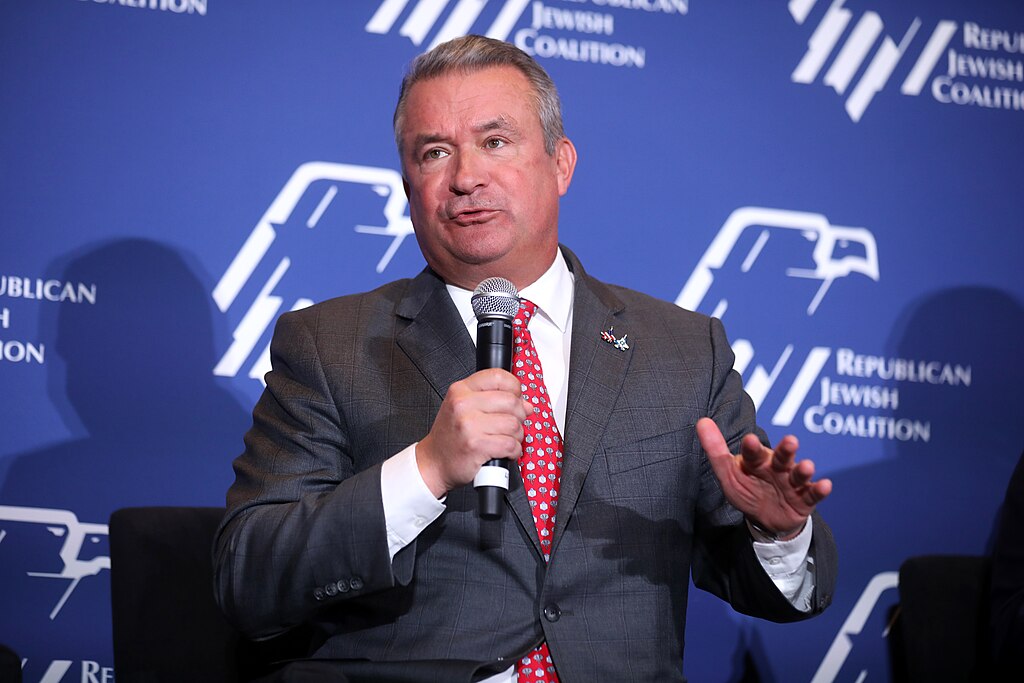
Rep. Don Bacon (R-Neb.) said this week that he would consider impeachment only if the United States were to attempt a military takeover of Greenland, stressing that such a scenario would represent a serious break from longstanding U.S. policy toward allies.
Bacon emphasized that his remarks were aimed at clarifying that many Republicans oppose using force against allied nations. He argued that while national security concerns should be taken seriously, alliances must be handled through diplomacy rather than pressure.
President Trump has recently highlighted Greenland’s importance to U.S. defense interests, pointing to its Arctic location, mineral resources, and role in countering growing influence from China and Russia. Greenland, a self-governing territory under Denmark, currently hosts a major U.S. military and space-monitoring installation.
The United States has maintained a presence in Greenland since World War II, with formal defense agreements allowing American forces to operate bases there. Supporters of expanding U.S. influence argue the island is critical as global competition in the Arctic accelerates.
However, several Republican lawmakers have cautioned that any attempt to seize or forcibly acquire territory belonging to a NATO ally would likely face significant opposition in Congress.
Sen. Thom Tillis (R-N.C.) said that while lawmakers are giving the president latitude, the use of military force against a sovereign ally would raise constitutional and legal concerns. He added that such a move would be unlikely to gain broad support on Capitol Hill.
Sen. Susan Collins (R-Maine) also voiced reservations, stating she does not support annexing Greenland by force or against the wishes of its residents or Denmark. Collins suggested that expanding the existing U.S. military footprint could be achieved through diplomatic negotiations rather than confrontation.
Sen. James Lankford (R-Okla.) echoed similar views, emphasizing that Denmark and Greenland are allies and that military action should not be considered.
Earlier this month, Bacon joined Democrats to introduce legislation aimed at preventing federal funds from being used for military action against NATO member states or NATO-protected territories. The proposal reflects concerns among some lawmakers about maintaining alliance stability.
While most Republicans continue to support President Trump’s broader America-first foreign policy agenda, the discussion highlights internal disagreement over rhetoric, strategy, and how best to protect U.S. interests without damaging critical alliances.