Here’s what happened.
Just days after the Trump administration celebrated a breakthrough agreement with Iran, a new crisis is raising fresh questions about whether the deal is already beginning to unravel.
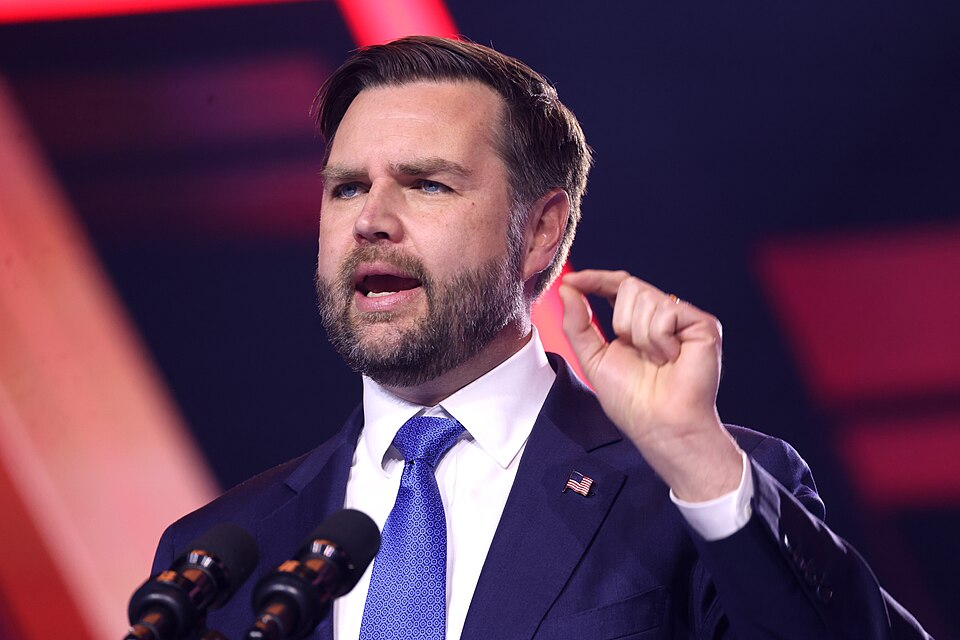
Vice President JD Vance insisted Saturday morning that the Strait of Hormuz remained fully open and operational despite reports suggesting Iran was preparing to restrict access to one of the world’s most important energy corridors.
Speaking on Fox & Friends Weekend, Vance dismissed concerns that commercial shipping had been disrupted.
According to the vice president, oil tankers continued moving through the strategic waterway at a record pace.
“One of the things the president made a top priority was reopening the Strait of Hormuz,” Vance said. “That has happened.”
Vance pointed to shipping data showing approximately 16 million barrels of oil passed through the channel during the previous 24 hours.
“We actually got 16 million barrels of oil out of the Strait of Hormuz yesterday,” he said. “That’s a record going back to before the conflict started.”
The remarks appeared designed to reassure markets and signal that President Donald Trump’s recent agreement with Iran was working as intended.
But only hours later, Iran delivered a very different message.
Iran’s Khatam al-Anbiya Central Headquarters announced that the Strait of Hormuz would be closed to vessel traffic, accusing both the United States and Israel of violating commitments tied to the ceasefire agreement that ended the latest phase of fighting.
The announcement immediately created confusion about the true status of the critical shipping route.
The Strait of Hormuz is a critical gateway for global energy shipments. Nearly 20% of the world’s oil trade passes through this narrow channel linking the Persian Gulf to international markets. Because of its importance, any interruption in traffic can rapidly drive up gasoline prices, increase energy costs, and add pressure to inflation worldwide.
Iranian officials blamed renewed Israeli military operations in southern Lebanon for the decision.
According to a statement carried by state media, Tehran believes the ceasefire agreement has been repeatedly violated and says the closure is a response to what it describes as ongoing aggression in the region.
The announcement comes just days after President Trump signed a 14-point memorandum of understanding with Iran that helped reopen the shipping route after months of instability.
The agreement was widely viewed as a major diplomatic victory after the conflict had driven energy prices higher and increased fears of a broader regional war.
Now, critics are questioning whether Iran ever intended to fully honor the agreement.
Meanwhile, violence continues to escalate.
Lebanese emergency officials reported that Israeli strikes in southern Lebanon killed at least 16 people and injured another 12 during overnight operations.
The Israeli military confirmed the attacks and said they were carried out after Hezbollah launched more than 50 projectiles toward Israeli forces operating in the region.
Israeli officials said dozens of Hezbollah positions were targeted during the operation as part of an effort to eliminate ongoing threats along the border.
The White House has not yet responded publicly to Iran’s latest announcement.
The conflicting statements from Washington and Tehran have left investors, energy markets, and world leaders watching closely.
If Iran follows through on its threat, Americans could once again face higher gasoline prices, increased inflation pressure, and renewed instability across the Middle East.
For President Trump, the situation presents an early test of whether the administration’s newly signed agreement can survive its first major challenge.
The next few days may determine whether the ceasefire holds—or whether the region is headed toward another dangerous escalation.