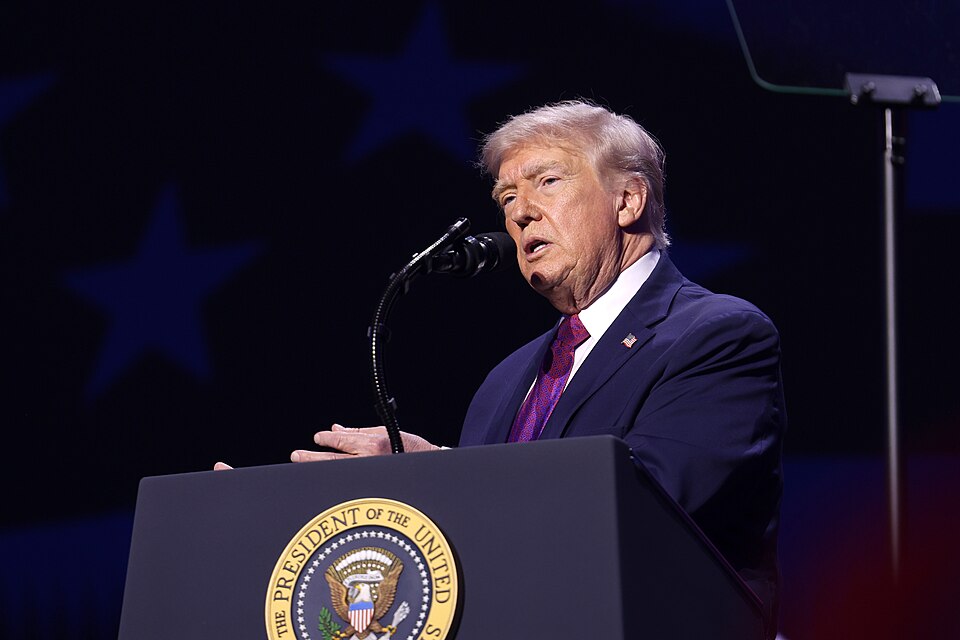
Trump gave Obama a piece of his mind.
President Donald Trump is firing back after former President Barack Obama criticized the new U.S.-Iran agreement, setting up a high-profile clash between two presidents with dramatically different visions for America’s role in the world.
Trump used Truth Social on Saturday to defend the agreement and celebrate what he described as a major American victory over Iran, while accusing his political opponents of refusing to acknowledge the results.
According to Trump, critics on the Left continue to downplay the damage inflicted on Iran’s military capabilities during the recent conflict.
The president argued that America’s position in the Middle East is now stronger than it was before the war and claimed Iran has been forced into a far weaker negotiating position.
Trump Targets Obama Over Iran Policy
Trump reserved some of his sharpest criticism for Obama, accusing the former president of pursuing policies that strengthened Tehran rather than containing it.
The president argued that previous administrations relied on financial incentives and diplomacy while failing to confront what he called one of the world’s leading state sponsors of terrorism.
Trump claimed those policies allowed Iran to expand its influence across the region for years without facing meaningful consequences.
He also compared Obama and former President Joe Biden, arguing that Iranian leaders viewed both administrations as weak and ineffective.
Trump maintained that America’s approach changed dramatically once he entered office, pointing to military action and economic pressure as key factors behind the latest agreement.
Obama Questions Cost Of The Iran Conflict
The president’s comments came shortly after Obama raised concerns about the long-term impact of the war.
During a Friday interview, Obama questioned whether the United States ultimately gained enough from the conflict to justify its enormous costs.
The former president argued that billions of dollars were spent, military resources were stretched, and lives were lost, while the final outcome may leave America in a position similar to where it started.
Obama also defended the nuclear agreement negotiated during his administration.
He argued that the decision to withdraw from that deal in 2018 contributed to Iran expanding its nuclear capabilities in subsequent years.
At the same time, Obama expressed hope that the newly signed agreement would succeed in preventing future conflict.
Republican Concerns Continue To Grow
While Democrats have largely criticized Trump’s approach from the left, some Republican lawmakers have raised concerns from a different direction.
Several conservatives have questioned reports that portions of the agreement could ease restrictions on Iran’s energy sector or potentially allow access to reconstruction funding.
Those concerns have fueled debate among many Trump supporters who strongly backed military action against Iran but remain wary of any agreement that could provide economic relief to the regime.
Ted Cruz Sounds The Alarm
Among the most outspoken critics has been Senator Ted Cruz of Texas.
Cruz warned that history offers numerous examples of the risks involved when hostile governments receive large amounts of financial assistance.
The Texas senator suggested that any arrangement perceived as rewarding Iran could undermine the gains achieved during the conflict.
His comments reflect a broader debate inside the Republican Party over how best to secure long-term peace while preventing Tehran from rebuilding its military and economic strength.
A New Political Battle Begins
The disagreement between Trump, Obama, and prominent Republican lawmakers highlights how divisive the Iran agreement has become.
Supporters view the deal as the culmination of a successful strategy that restored American strength and forced Iran to the negotiating table.
Critics argue the agreement could create new risks and undo some of the gains achieved during the conflict.
As more details emerge in the coming weeks, the political fight over Trump’s Iran deal is likely to intensify—and could become one of the biggest foreign policy debates heading into the next election cycle.