Here’s what you need to know.
A sudden surge of U.S. military activity in the Middle East is raising eyebrows across the country, as many Americans are left asking the same question: What exactly is happening—and why now?
The Pentagon has quietly fast-tracked the deployment of thousands of Marines and Navy personnel, even as President Donald Trump publicly downplays the possibility of a larger military escalation.
Rapid Deployment Raises New Questions
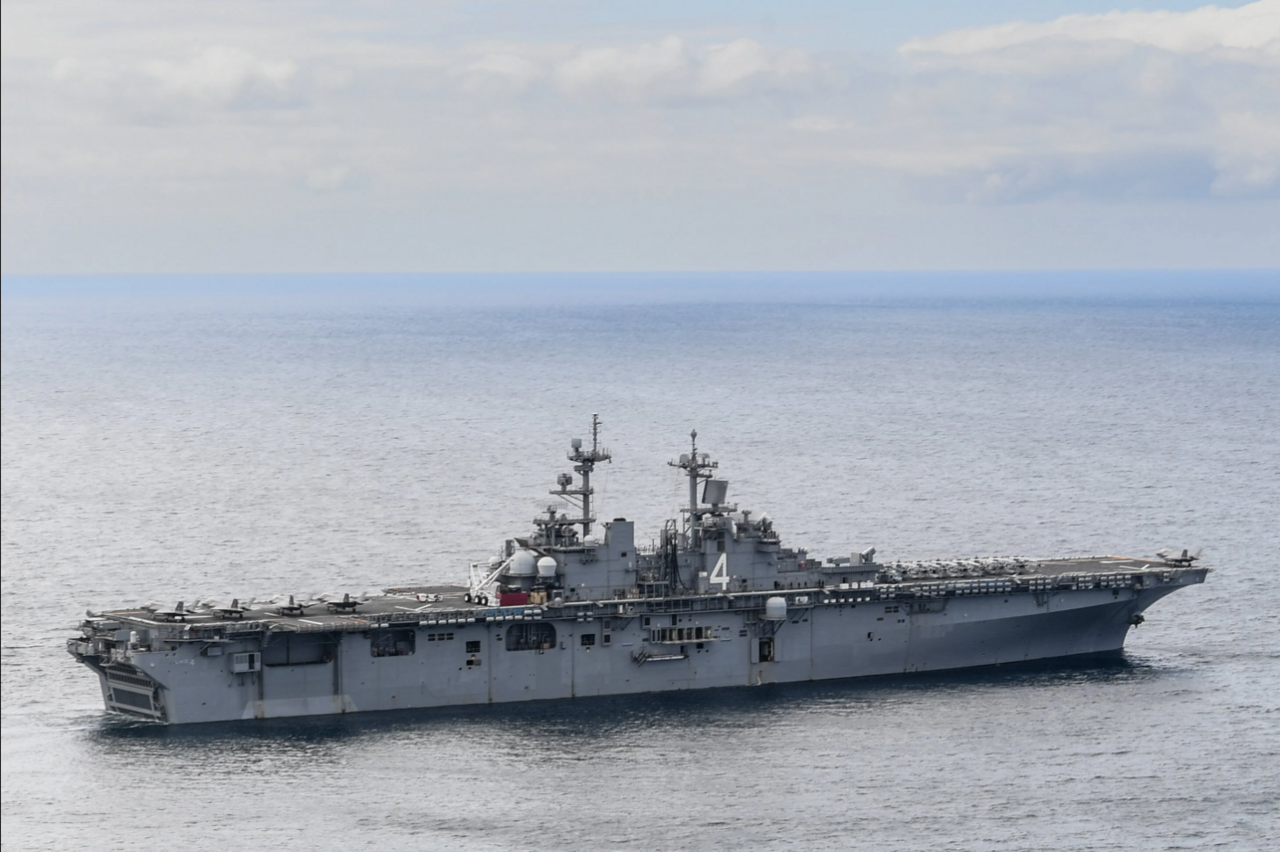
The 11th Marine Expeditionary Unit (MEU), made up of more than 2,200 Marines, departed San Diego earlier than expected aboard the USS Boxer. Reports indicate the unit left nearly three weeks ahead of schedule, signaling a sudden shift in urgency.
At the same time, another force of roughly 2,200 Marines and sailors is already en route aboard the USS Tripoli, bringing total reinforcements to over 4,000 personnel.
Defense officials have declined to provide details, citing operational security. But the timing—and scale—of these movements are fueling speculation.
Growing Military Presence Near Iran
If both amphibious groups reach the Gulf region, they will join the USS Abraham Lincoln carrier strike group, already involved in operations tied to rising tensions with Iran.
Meanwhile, the USS Gerald R. Ford has been temporarily pulled back for repairs after a fire, slightly reshuffling America’s naval presence in the region.
Satellite tracking has shown U.S. warships steadily moving closer to key areas, adding to concerns that a broader conflict could be unfolding behind the scenes.
Trump Responds—But Leaves Door Open
President Trump addressed the situation directly, telling reporters:
“No, I’m not putting troops anywhere.”
However, he quickly added a notable caveat:
“If I were, I certainly wouldn’t tell you.”
That statement has only added to the confusion, leaving many Americans uncertain about the administration’s true strategy.
Trump did make one priority clear—keeping oil prices under control, a critical issue for millions of Americans on fixed incomes.
The Real Flashpoint: Oil and the Strait of Hormuz
At the center of the crisis is the Strait of Hormuz, one of the most important oil shipping routes in the world.
Since the start of the U.S.-Israel conflict in late February, Iran has effectively restricted access to the waterway—threatening global oil supplies and driving economic uncertainty.
Behind the scenes, officials are reportedly considering:
- Naval escorts for oil tankers
- Air support to secure shipping lanes
- Possible action targeting Iran’s key oil export hub on Kharg Island
Any of these moves would mark a significant escalation.
A Conflict That May Last Longer Than Promised
Initially described as a short-term operation, the situation now appears far more complex.
So far:
- 13 U.S. service members have been killed
- Around 200 have been wounded
And now, the Trump administration is preparing to request $200 billion in additional funding from Congress to continue military operations.
For many Americans—especially those who remember past Middle East conflicts—this raises serious concerns about how long this could last.
Americans Left Searching for Answers
While the administration insists it is acting to protect U.S. interests and stabilize energy markets, the lack of clear communication is leaving many people uneasy.
Troop movements are increasing. Costs are rising. And the long-term plan remains unclear.
For now, Americans are watching closely—wondering whether this is a limited operation… or the early stages of something much bigger.