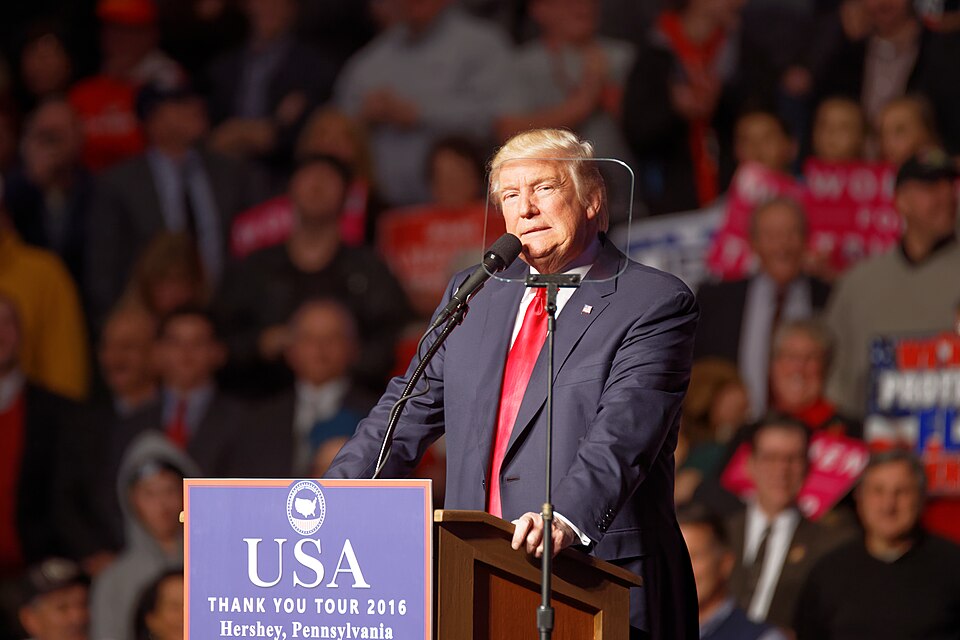
President Donald Trump’s latest attempt to bring down America’s stubbornly high beef prices has generated a wave of headlines, criticism and online speculation.
Now, a recall involving nearly 30,000 pounds of raw beef imported from Argentina is being dragged into the controversy, with claims suggesting the recalled meat was somehow connected to Trump’s new plan to increase foreign beef supplies.
There’s just one major problem with that narrative.
The timeline doesn’t add up.
The Argentine beef recall occurred before Trump’s new import policy took effect. And despite some of the alarming discussion surrounding the recall, officials did not announce that the meat had been recalled because it tested positive for a dangerous pathogen.
Instead, the problem involved a required federal reinspection that was not completed.
For Americans concerned about grocery prices, food safety and the quality of imported beef, those are important distinctions.
Trump Targets High Beef Prices
Beef has become painfully expensive for millions of American families, particularly retirees and households living on fixed incomes.
Trump’s administration has responded with a temporary expansion of lower-tariff imports designed to increase the supply of lean beef used to make ground beef.
Under the plan, the United States can bring in an additional 300,000 metric tons of lean beef trimmings over a 90-day period beginning September 1.
The administration argues that increasing supply could provide relief to consumers dealing with elevated meat and grocery prices.
But the proposal has also generated understandable resistance from parts of America’s cattle industry.
Some ranchers fear that allowing additional foreign beef into the country could increase competition at a time when American producers are already confronting high operating costs and other challenges.
That debate is legitimate.
American consumers want affordable beef, while American ranchers understandably want policies that protect the long-term health of domestic agriculture.
But the separate Argentine beef recall doesn’t prove Trump’s new policy has created a food-safety crisis.
Nearly 30,000 Pounds of Argentine Beef Recalled
The controversy centers on 29,628 pounds of raw, boneless beef imported from Argentina by Corte Argentino USA LLC.
The product was distributed to retailers and food-service businesses in Texas and Florida.
Federal officials issued a Class I recall after discovering that the shipment had entered the country without completing a mandatory import reinspection.
That classification naturally generated alarming headlines.
But there is a crucial part of the story consumers need to understand.
Officials did not identify biological contamination as the reason for the recall.
No illnesses were reported in connection with the shipment.
Instead, federal regulators discovered that an important step in America’s inspection system had been bypassed.
Why Was the Imported Beef Recalled?
Federal inspectors discovered the problem while conducting routine reviews of import records.
Meat imported into the United States must satisfy federal requirements before it can legally enter American commerce.
Those safeguards exist for good reason.
Imported meat can undergo checks involving documentation, labeling, packaging and the condition of the product, along with food-safety requirements designed to protect American consumers.
In this particular case, the Argentine shipment entered the country without completing its required final federal reinspection.
That failure prompted the recall.
There is an important difference between saying “beef was recalled” and saying “contaminated beef was discovered.”
Those statements are not interchangeable.
The government recalled this shipment because a mandatory inspection requirement had not been completed — not because officials announced that thousands of pounds of meat had tested positive for E. coli, Salmonella or another dangerous pathogen.
Was the Argentine Beef Part of Trump’s New Import Plan?
This is where the timeline becomes particularly important.
No evidence shows that the recalled shipment was brought into the country under Trump’s new beef-import policy.
Trump’s temporary expansion of lower-tariff beef imports begins September 1, 2026.
The Argentine beef recall occurred in early August.
In other words, the recalled beef was already in the United States — and federal authorities had already taken action — before Trump’s new policy went into effect.
That makes attempts to blame the recall on the new Trump policy extremely misleading.
The administration’s new program also isn’t simply an order to import 300,000 metric tons of Argentine beef.
The policy expands the amount of eligible lean beef trimmings that can enter under the lower tariff rate for a limited 90-day period.
The administration has not restricted those additional imports exclusively to Argentina.
Imported Beef Still Faces U.S. Safety Requirements
Another fact frequently overlooked in the debate is that foreign beef isn’t supposed to receive a free pass simply because it was produced overseas.
Imported meat sold in the United States remains subject to federal requirements.
USDA rules require beef exported to America from approved countries to satisfy food-safety standards designed to provide protections equivalent to those applied to domestically produced products.
The Argentine recall actually demonstrates why those safeguards matter.
When federal officials discovered that the required reinspection process had not been properly completed, the product was recalled.
That’s the system identifying a failure in the process and taking action.
Consumers should certainly continue asking tough questions about where their food comes from, how it was produced and whether imported products are being properly inspected.
But those questions should be based on the facts.
American Ranchers Still Have Legitimate Concerns
None of this means Trump’s beef policy should be immune from criticism.
American cattle ranchers have legitimate concerns about increasing foreign competition.
Many would rather see Washington focus on expanding America’s cattle supply, reducing costs for domestic producers and strengthening the country’s own beef industry instead of relying more heavily on imports.
That’s an important policy debate, particularly for conservatives who believe America’s food supply should remain strong, competitive and as self-sufficient as possible.
At the same time, families struggling with expensive grocery bills want relief now.
Trump’s challenge is balancing those competing priorities: lowering beef prices for consumers without undermining the American ranchers who produce the nation’s food.
Whether the temporary import expansion succeeds in accomplishing that goal will become clearer in the months ahead.
The ‘Mystery Meat’ Narrative Falls Apart
The Argentine recall may sound frightening when stripped of context.
Nearly 30,000 pounds of foreign beef. A Class I recall. An administration simultaneously announcing plans for additional beef imports.
Put those facts next to each other and it’s easy to create an alarming story.
But chronology matters.
The Argentine recall happened before Trump’s new beef-import policy took effect.
The recall resulted from the shipment failing to complete a required federal reinspection.
No illnesses were reported.
And officials did not announce that contamination was responsible for the recall.
Those facts dramatically change the story.
Americans deserve transparency about imported food, particularly when Washington is changing trade policies in an effort to lower grocery prices.
They also deserve accurate reporting.
There are plenty of legitimate questions to ask about Trump’s strategy, including whether foreign beef will actually reduce prices at the grocery store and whether increased imports could hurt American ranchers.
Those debates will continue.
But using an earlier Argentine beef recall to suggest Trump’s new policy has already resulted in dangerous “mystery meat” reaching American consumers simply isn’t supported by the timeline.
For shoppers watching every dollar at the supermarket, the bigger question now is much simpler:
Will Trump’s plan actually bring down the price of ground beef without putting America’s ranchers at a disadvantage?
That’s the question worth watching.