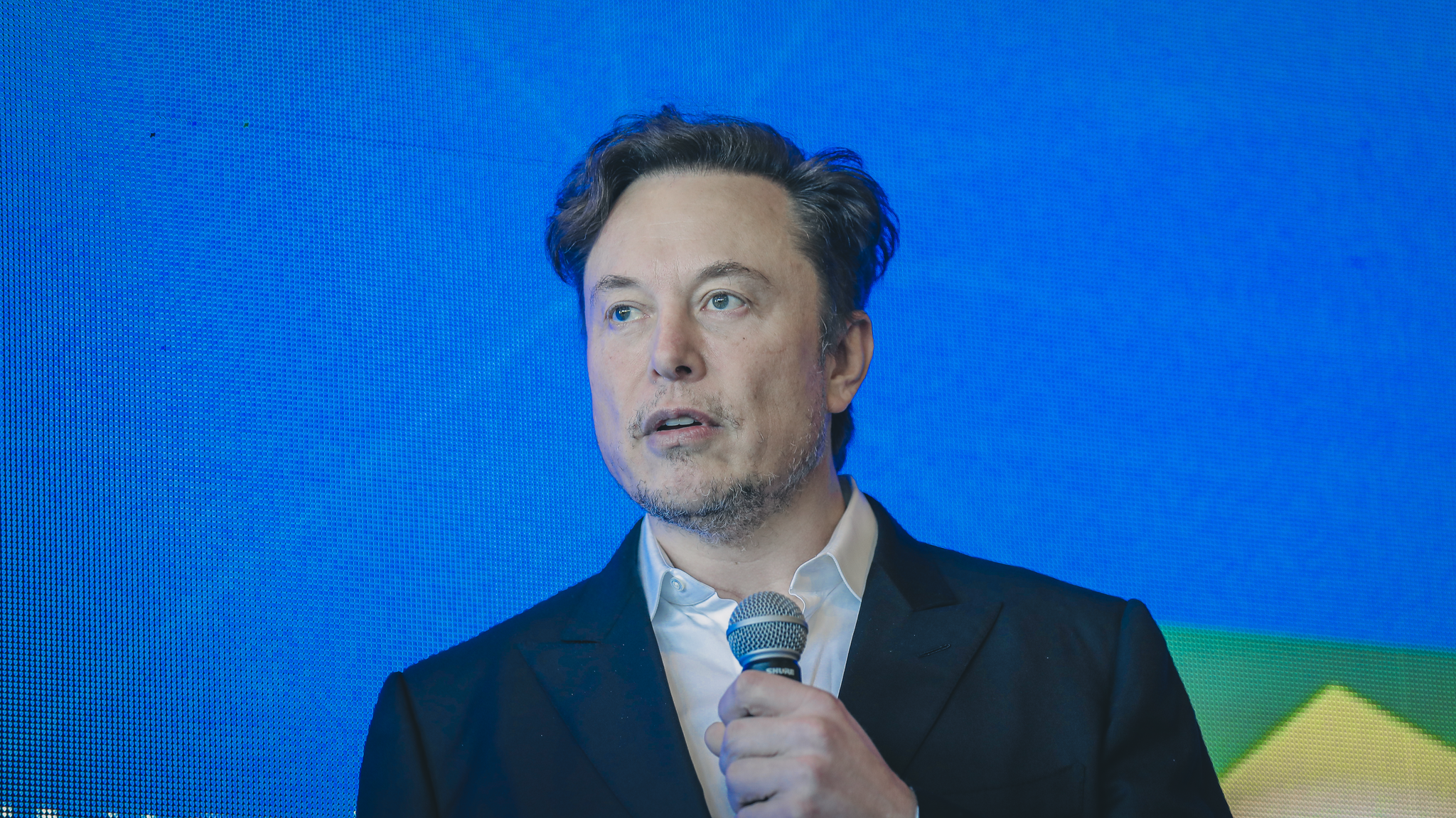
Musk’s opinions are sitting well with some in the MAGA party.
The debate over the H-1B visa program continues to stir controversy within the conservative ranks, with prominent figures like Elon Musk and Vivek Ramaswamy weighing in on the issue. Musk, a strong supporter of the visa, recently defended it in a fiery exchange on X (formerly Twitter), slamming critics who argue that it puts American workers at a disadvantage. His remarks have sparked further discussions about the future of American innovation, immigration, and the nation’s competitiveness on the global stage.
Musk, along with Ramaswamy—who is set to lead President Trump’s proposed Department of Government Efficiency (DOGE)—argue that America’s education system has failed to produce enough highly skilled workers to meet the needs of rapidly growing industries like technology and aerospace. Musk’s companies, Tesla and SpaceX, rely on the H-1B visa program to bring in foreign talent, particularly in fields like engineering and computer science. He’s made it clear that without these skilled workers, American companies would struggle to remain competitive internationally.
Critics, however, contend that the H-1B program undermines American workers by allowing companies to hire foreign workers at lower wages. They also point out that the visa program effectively ties foreign employees to their employer, making it difficult for them to switch jobs without risking their legal status in the country. This creates a power imbalance, critics argue, where American workers are sidelined in favor of a more easily exploitable foreign workforce.
In a heated exchange on X, Musk didn’t mince words. Responding to a critic, he posted a line from the 2008 film Tropic Thunder, famously delivered by Tom Cruise’s character, Les Grossman: “Take a big step back and F— YOURSELF in the face.” Musk’s bluntness underscored his frustration with the growing opposition to the H-1B program.
Musk’s position is clear: the future of American technological leadership depends on attracting the best and brightest from around the world. He has repeatedly emphasized that while his companies would prefer to hire Americans, the shortage of qualified candidates makes the H-1B program a necessity. Musk further argued that if the U.S. doesn’t secure top-tier talent, other countries will—ultimately weakening America’s global standing.
In his view, the discussion isn’t about charity or preferential treatment for immigrants, but about the survival of American innovation and economic strength. “Do you want America to WIN or do you want America to LOSE?” Musk wrote. “If you force the world’s best talent to play for the other side, America will LOSE. End of story.”
Musk has also acknowledged that the H-1B program needs reform. While he defends it as a necessary tool to fill critical talent gaps, he recognizes that changes are needed to ensure it serves American interests. He pointed out that tech giants like Google and Intel were founded by immigrants, and noted that the H-1B program currently caps foreign workers at 15% of a company’s workforce, which still leaves a significant shortfall in talent.
For conservatives who prioritize American workers, it’s a tough dilemma. On one hand, there’s a desire to protect U.S. jobs and ensure that American workers aren’t displaced. On the other, there’s a recognition that without access to global talent, America could lose its edge in the innovation race.
As the debate rages on, one thing is clear: America’s future economic success will depend on balancing the need for skilled labor with protecting American workers. The challenge is finding a way to ensure that the best and brightest—whether they were born in America or abroad—can contribute to the continued strength of the American economy.