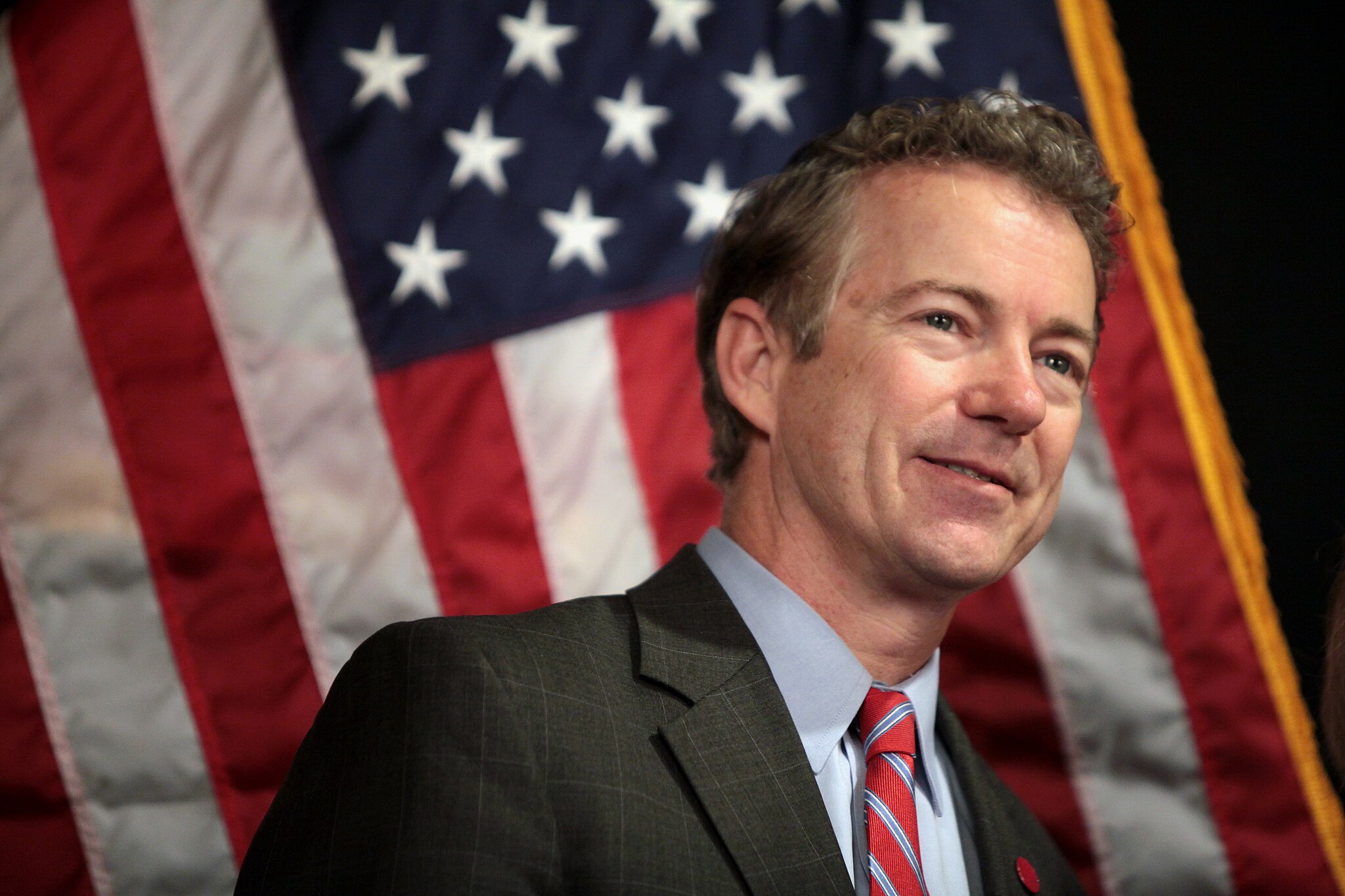
Some top Republicans are very displeased with Trump’s plan.
When President Donald Trump recently suggested that America would “take over the Gaza Strip,” it sparked a significant debate, especially within the Republican Party. Senator Rand Paul of Kentucky, a staunch advocate of the “America First” agenda, was quick to push back against the idea. For Paul, Trump’s plan appeared to be a betrayal of the very principles that Trump voters supported during his presidency. Paul’s message was clear: America should not entangle itself in yet another foreign conflict that could jeopardize the safety of our military and drain our national resources.
During Trump’s inauguration speech, he committed to putting America’s interests first, a guiding principle that resonated with millions of Americans who voted for him in 2016 and again in 2020. This “America First” doctrine has remained a central tenet of his foreign policy approach. However, Senator Paul believes that taking control of the Gaza Strip contradicts this philosophy, which aims to prioritize domestic concerns and limit costly overseas interventions.
In a post on X, Paul expressed his reservations, stating, “The pursuit for peace should be that of the Israelis and the Palestinians. We have no business contemplating yet another occupation to doom our treasure and spill our soldiers’ blood.” His concern is not about the welfare of the region but about the continued use of American resources and military lives in conflicts that do not directly serve American interests.
In contrast to Paul’s concerns, others within the party, including Rep. Diana Harshbarger of Tennessee, applauded Trump’s position. Harshbarger, echoing Trump’s call for securing peace in Gaza, emphasized that the president’s bold leadership reflects his commitment to keeping his promises to the American people. She praised his willingness to take decisive action for global peace, a stance that appeals to those who view Trump as a strong advocate for American leadership in international affairs.
The clash over Trump’s Gaza plan underscores a division within the Republican Party over the role America should play in Middle Eastern conflicts. Some, like Senator Paul, argue that it’s time for the U.S. to focus inward and avoid unnecessary foreign entanglements. Others, however, see America’s involvement in the region as crucial to preserving global stability and advancing peace efforts.
While Trump’s bold rhetoric on Gaza may resonate with some, it has also ignited a broader conversation about how best to align American foreign policy with the values and interests that made the “America First” movement so successful. As the debate continues, one thing is clear: Republicans remain deeply divided on how to approach America’s role in the Middle East moving forward.