There’s a lot of controversy over this Trump decision.
President Donald Trump is facing new questions from members of his own party after several Republican senators expressed concerns about one of his latest appointments.
The controversy centers on Bill Pulte, the director of the Federal Housing Finance Agency, who was recently tapped by Trump to temporarily oversee the nation’s intelligence operations.
While the appointment is expected to be short-term, some Republicans say it raises serious questions about qualifications, national security experience, and the future direction of the intelligence community.
Republican Senator Raises Concerns
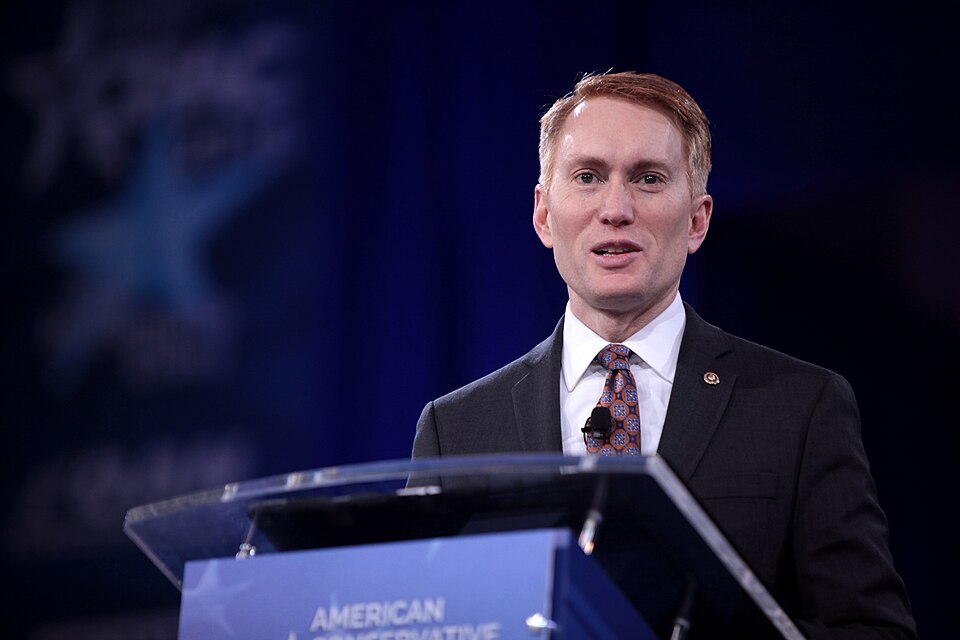
Speaking during a Sunday television interview, Sen. James Lankford (R-Okla.) acknowledged that Pulte has the president’s trust but argued that he lacks the experience typically required for such a critical national security role.
“He has no national security background,” Lankford said while discussing the appointment.
The Oklahoma Republican emphasized that Pulte is not being considered for the position on a permanent basis and described the assignment as a temporary measure lasting only a few weeks or months.
According to Lankford, the administration is expected to continue searching for candidates with deeper intelligence and national security credentials for the long-term position.
Why The Position Matters
The Director of National Intelligence oversees America’s intelligence agencies and plays a major role in coordinating information related to national security threats.
Because of the sensitivity of the position, appointments traditionally go to individuals with extensive military, intelligence, diplomatic, or national security experience.
That reality has fueled concerns among lawmakers who question whether Pulte’s background in housing finance adequately prepares him for such responsibilities.
Tulsi Gabbard’s Departure Creates Opening
The temporary appointment follows the announcement that Director of National Intelligence Tulsi Gabbard plans to leave her position later this month.
Gabbard reportedly made the decision in order to care for her husband, who is undergoing treatment for cancer.
Her departure created an unexpected vacancy, prompting Trump to select Pulte as an interim replacement while the administration evaluates long-term options.
Republicans Join Democrats In Raising Questions
Democrats have criticized the move, but concerns are not limited to the opposition party.
Several Republican senators have also voiced reservations.
Sens. Thom Tillis, Bill Cassidy, Susan Collins, and Lisa Murkowski have all publicly questioned whether Pulte possesses the experience needed to lead the intelligence community.
The issue recently reached the Senate floor when Cassidy, Collins, and Murkowski joined Democrats in supporting an amendment that would have blocked Senate-confirmed agency leaders from simultaneously serving as acting Director of National Intelligence.
Although the amendment ultimately failed, the vote highlighted growing bipartisan concern surrounding the appointment.
Collins Questions Pulte’s Background
Sen. Susan Collins, a senior member of the Senate Intelligence Committee, said she remains unfamiliar with Pulte’s qualifications.
In comments last week, Collins noted that she did not know whether Pulte had intelligence experience, military experience, or even the security background typically associated with such a high-profile role.
Her remarks underscored the uncertainty surrounding Trump’s decision and added to the growing debate inside Washington.
What Happens Next?
For now, Pulte remains in the temporary position and continues to have President Trump’s confidence.
However, the administration is expected to identify a permanent nominee in the coming weeks.
The battle over the appointment highlights a broader challenge facing Trump as he shapes his administration. While Democrats continue to oppose many of his decisions, this latest controversy shows that some Republicans are also willing to push back when national security appointments are involved.
As the search for a permanent intelligence chief continues, lawmakers on both sides of the aisle will be watching closely to see who Trump selects next.
The Bottom Line
President Trump remains firmly in control of the appointment process, but resistance from several Republican senators has created another obstacle. Whether the concerns fade or grow stronger may depend on who ultimately emerges as Trump’s long-term choice to lead America’s intelligence agencies.