A new national poll is sending shockwaves through Republican circles and raising fresh concerns about the political landscape heading into 2026.
According to the latest PBS News/NPR/Marist survey, conducted November 10–13, Democrats now hold a commanding double-digit lead in the generic congressional ballot—55% to 41%. For a midterm cycle that will decide control of Congress under President Trump, the numbers are a flashing red alert.
Democrats Hold Biggest Advantage Since the Trump-Era Wave Elections
The 14-point gap is Democrats’ strongest showing since 2017—just before they flipped more than 40 House seats during Trump’s first term. With control of Congress hanging in the balance, Democrats are openly talking about taking back both the House and Senate in 2026, using this new momentum as fuel.
For Republicans, especially voters age 50+ who remember the painful 2018 midterm results, this poll reads like a warning that cannot be ignored.
Independents Break Hard Against the GOP
The most alarming part of the survey is the dramatic movement among independent voters, the group that historically decides midterm elections. According to the poll:
- 61% of independents would vote for a Democrat today
- Only 28% would choose a Republican
That is a devastating 33-point disadvantage, one that political strategists say could cost the GOP multiple battleground districts if the trend holds.
The poll also reveals a deeper perception problem: 69% of independents say Republicans seem “closed-minded” compared to Democrats. That image issue may be hurting GOP candidates more than expected.
Trump’s Approval Rating Softens as Democrats Celebrate a Winning Streak
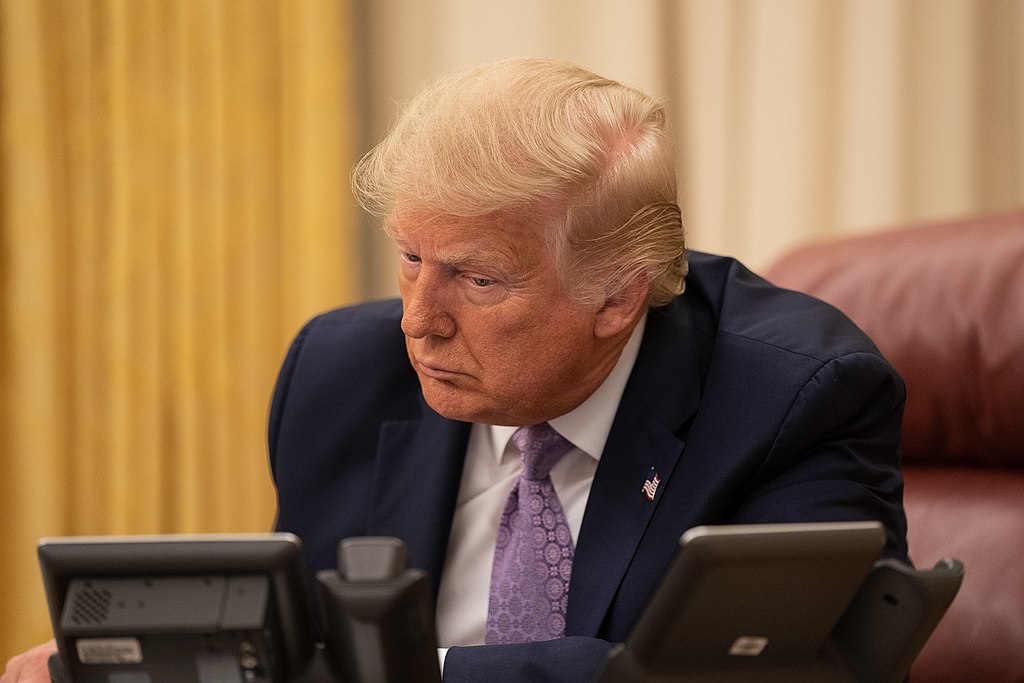
President Trump’s approval rating dipped to 39% approve, 56% disapprove, his lowest since early fall. While Trump remains extremely strong among the GOP base—and unmatched as a Republican political fundraiser—the national numbers show the media’s nonstop attacks continue to influence casual and independent voters.
Meanwhile, Democrats are celebrating a string of victories in traditionally competitive states:
- New York City elected Zohran Mamdani as the city’s first Muslim mayor.
- Virginia voters chose Democrat Abigail Spanberger over Republican Winsome Earle-Sears.
- New Jersey re-elected Democrat Mikie Sherrill.
- California passed Proposition 50, a redistricting plan heavily backed by Gov. Gavin Newsom.
These wins have energized Democrat donors and activists nationwide.
Amy Walter, editor-in-chief of The Cook Political Report, said the victories have “consequences in invigorating Democrats” heading toward 2026.
Even former White House strategist Steve Bannon issued a blunt warning:
“The midterms start tonight, and the warning signs are flashing.”
What This Means for 2026 Under President Trump
The 2026 midterm elections will be the first full midterms of Trump’s second term—making them critical for:
- Securing the America First agenda
- Battling the D.C. bureaucracy
- Blocking Democrat court-packing efforts
- Stopping Biden-era holdovers from slowing Trump reforms
- Protecting seniors from left-wing economic policies
Republicans cannot afford a repeat of 2018. The stakes are simply too high.
The message from the poll is unmistakable: the GOP must unify, sharpen its message to older voters, and aggressively challenge the media narrative if it wants to avoid a Democrat surge.