Trump just did it again and MAGA loves it!
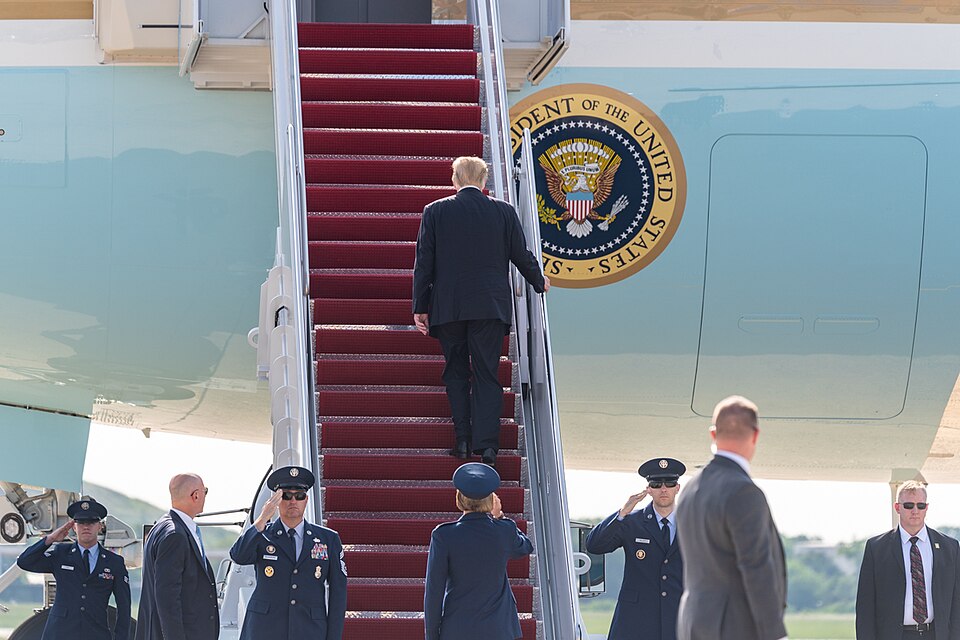
President Donald Trump’s escalating battle with major media organizations took another dramatic turn Monday after the White House reportedly blocked Politico from traveling aboard Air Force One as part of the presidential press pool.
The move adds another chapter to Trump’s long-running feud with national news organizations he has repeatedly accused of unfair, inaccurate and overwhelmingly negative coverage.
It also raises a larger question over how much authority a president should have when deciding which media outlets receive direct access aboard the presidential aircraft.
Politico Blocked From Air Force One
Politico had been scheduled to serve as the print pool representative aboard Air Force One on Monday.
Because space on the presidential aircraft is limited, only a small number of journalists typically travel with the president. The designated print pool reporter is responsible for sending updates and observations to the wider White House press corps.
That system allows other news organizations to receive information even when they do not have a reporter physically aboard the aircraft.
After Politico was reportedly denied access, it was not immediately clear which outlet would take over its press-pool responsibilities.
The decision comes as the Trump administration continues to challenge longstanding traditions involving White House media access.
CNN Was Also Removed From Air Force One Access
Politico is not the only major news organization affected.
CNN was previously blocked from serving as the television pool representative aboard Air Force One when it was scheduled to participate.
Instead, conservative-oriented outlets LindellTV and Real America’s Voice were reportedly given access on recent presidential flights.
For Trump supporters, the change may be seen as an effort to broaden access beyond traditional media organizations that many conservatives believe have treated the president unfairly.
Critics, however, argue that press access should not depend on whether an administration approves of a news organization’s coverage.
That disagreement is now becoming part of a broader legal and constitutional fight.
Trump Has Long Accused Major Media Outlets of Bias
Trump has frequently criticized CNN, Politico and other national news organizations, accusing them of promoting what he calls “fake news” and consistently presenting his administration in a negative light.
On September 18, Trump announced that Politico, CNN and MS NOW would face restrictions on White House access.
In a Truth Social post, Trump questioned why outlets he believes repeatedly publish inaccurate or hostile coverage should continue receiving privileged access to the White House.
Trump also argued that his media coverage has remained overwhelmingly negative despite his election victory.
The president’s position has resonated with many Republican voters who have become increasingly distrustful of mainstream news organizations.
Court Fight Over White House Press Access
The dispute has already reached federal court.
Judge Timothy J. Kelly temporarily blocked broader restrictions imposed on the affected news organizations, allowing their reporters to regain certain White House access while the case continues.
Kelly is scheduled to hold another hearing Thursday to determine whether that temporary order should remain in place before a possible trial.
Attorney Ted Boutrous, who represents the three media organizations, has argued that the administration’s restrictions violate First Amendment protections.
“The law is absolutely clear,” Boutrous said while criticizing the policy.
The Trump administration disputes that argument and maintains that it has authority to regulate access in situations involving security, logistics and limited space.
Trump Says Air Force One Access Is Different
One of the administration’s key arguments is that Air Force One is not the same as a traditional White House press briefing.
The presidential aircraft has limited seating and strict security requirements, meaning officials must decide which reporters are permitted aboard individual flights.
That distinction could become important in the legal debate.
Supporters of Trump’s position may argue that no news organization has an automatic right to a seat on Air Force One.
Opponents may counter that removing specific outlets because of unfavorable reporting could create constitutional concerns if political viewpoint is the deciding factor.
The final legal outcome could help determine how much flexibility future presidents have when selecting members of the traveling press pool.
Conservatives Have Long Questioned Media Fairness
Trump’s confrontation with the press did not begin with his current administration.
For years, the president has accused major television networks, newspapers and online publications of applying different standards to Republicans and Democrats.
Many conservative Americans share those concerns.
Polling over the years has repeatedly shown deep partisan divisions in public trust toward national media institutions, with Republican voters generally expressing greater skepticism of mainstream news outlets.
Trump has made that distrust a central part of his political message, often arguing that voters should judge his administration by its record rather than by headlines from organizations he considers hostile.
His latest dispute with Politico and CNN could reinforce that message among supporters.
Critics Say Press Freedom Is at Stake
Media organizations and free-press advocates view the controversy differently.
They argue that journalists must be permitted to report aggressively on any administration without fearing the loss of access because their stories are critical.
From that perspective, the issue is less about whether a particular news outlet is fair and more about preventing government officials from rewarding favorable coverage and punishing negative coverage.
That argument is expected to remain central as the case moves through federal court.
Neither Politico Nor CNN Immediately Responded
Neither CNN nor Politico had issued a formal public statement regarding the latest Air Force One restrictions at the time of the initial reports.
The situation could continue to develop as the White House, media organizations and federal courts debate the boundaries of presidential authority and press access.
For now, Trump appears determined to continue challenging media organizations he believes have treated him unfairly.
A Bigger Fight Than One Air Force One Seat
The controversy goes well beyond one reporter or one presidential flight.
It touches on several issues that have shaped American politics for years: distrust of the media, presidential authority, freedom of the press and the growing divide between traditional news organizations and conservative media.
Trump supporters may view the decision as a long-overdue response to media bias.
Critics may see it as a dangerous precedent that could give presidents too much influence over which journalists are allowed direct access.
Either way, the fight between Trump and the national media is showing no signs of disappearing.
As the court battle continues, Americans will be watching closely to see whether the White House retains greater control over Air Force One press access — or whether judges impose new limits on the administration’s authority.
The larger question remains: Should a president be allowed to exclude media organizations he believes are unfair, or should access remain independent of whether coverage is positive or negative?