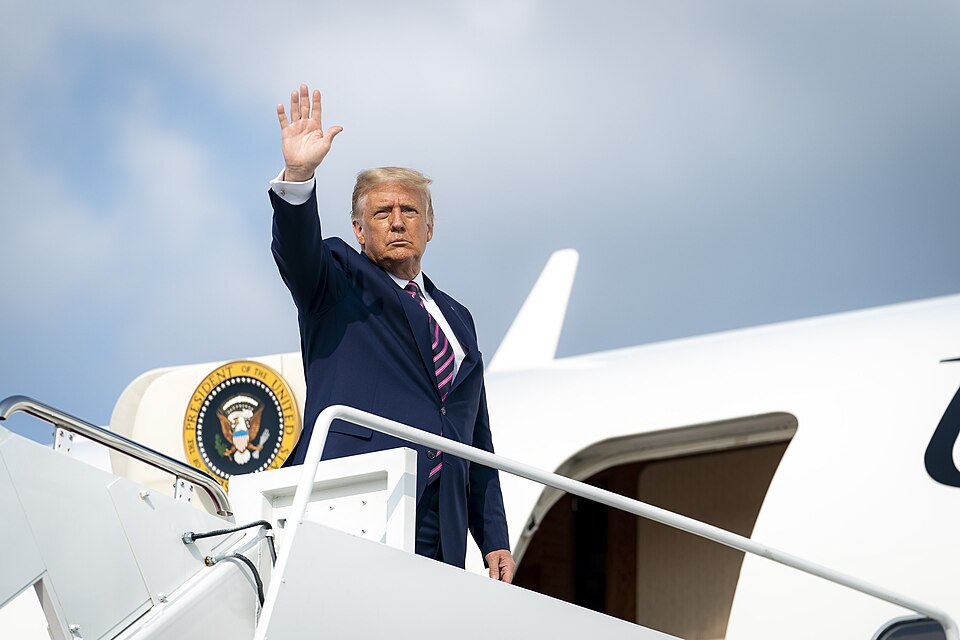
President Donald Trump received an unwelcome birthday surprise as a growing number of polls show his support among independent voters continuing to slide.
While Republican voters remain overwhelmingly behind the president, several major surveys suggest independents are becoming increasingly dissatisfied with the direction of the country and Trump’s handling of key issues such as inflation, the economy, and foreign policy.
The trend could have major implications for Republicans heading into the 2026 midterm elections, where independent voters are expected to play a decisive role in determining control of Congress.
New Polls Show Warning Signs For Trump
Multiple polling organizations have reported a significant decline in Trump’s standing with independent voters since the beginning of his second term.
According to polling firm Civiqs, Trump’s approval rating among independents has fallen sharply over the past year. What was once a relatively competitive position has deteriorated into a substantial deficit, suggesting many voters in the political middle are moving away from the president.
Other national surveys have reached similar conclusions.
An Economist/YouGov poll found Trump’s approval among independents at its lowest level ever recorded by the polling organization during either of his terms in office.
Political analysts often pay close attention to independent voters because they frequently decide close elections in battleground states and swing congressional districts.
Why Independent Voters Matter
Unlike loyal Republicans or Democrats, independent voters are far more willing to switch their support from one election cycle to the next.
That makes them one of the most important voting blocs in American politics.
Trump’s victory in 2024 was helped by gains among independents who were frustrated with inflation, rising costs, and concerns about the direction of the country.
Now, polling suggests many of those same voters may be having second thoughts.
If those trends continue, Republicans could face tougher races in key House and Senate contests during the 2026 elections.
The Economy Remains The Biggest Issue
For many voters, economic concerns remain front and center.
Recent surveys show inflation, consumer prices, housing affordability, and energy costs continue to rank among the most important issues facing Americans.
Historically, presidential approval ratings often move alongside public perceptions of the economy.
When voters feel optimistic about their financial future, approval ratings tend to improve. When economic concerns rise, support often weakens.
Many political strategists believe the economy will ultimately determine whether Trump can regain ground with independents before voters head back to the polls.
Polling Data Shows A Consistent Trend
One reason the latest numbers are attracting attention is because they are coming from multiple polling organizations using different methods.
Civiqs, Economist/YouGov, AP-NORC, and the Public Religion Research Institute have all identified similar movement among independent voters.
While individual polls can sometimes produce outlier results, political experts typically place greater weight on trends that appear across numerous surveys.
In this case, the overall direction is difficult to ignore.
Independent voter support appears to have weakened steadily throughout much of Trump’s second term.
Support Has Fallen Across Several Demographic Groups
Polling data also suggests the decline is not limited to one category of voters.
Researchers found support softening among independents across multiple demographic groups, including voters without college degrees who were once considered one of Trump’s strongest constituencies.
That broad-based movement has raised concerns among Republican strategists who understand the importance of maintaining support among swing voters.
Many competitive congressional districts contain large numbers of independent voters who could ultimately determine election outcomes.
White House Remains Confident
Despite the polling numbers, the White House is projecting confidence.
Administration officials point to Trump’s 2024 election victory as evidence that voters support his agenda and argue that policy results will matter more than polling headlines.
The administration continues to emphasize economic growth, job creation, border security, energy production, and efforts to lower costs for American families.
Supporters of the president argue that voters will focus on real-world results rather than public opinion surveys when casting ballots in future elections.
The Road To 2026
The political battle for independent voters is likely to intensify over the coming months.
Republicans are expected to highlight economic gains, border enforcement, and national security achievements. Democrats will continue focusing on issues where polling suggests voter dissatisfaction is growing.
For now, one thing appears clear: independent voters are becoming increasingly important as the 2026 midterm elections approach.
Whether Trump’s declining numbers represent a temporary setback or the beginning of a larger political challenge could help determine not only the future of his presidency but also the balance of power in Washington.
As Republicans look ahead to the next election cycle, winning back independent voters may become one of the party’s most important priorities.