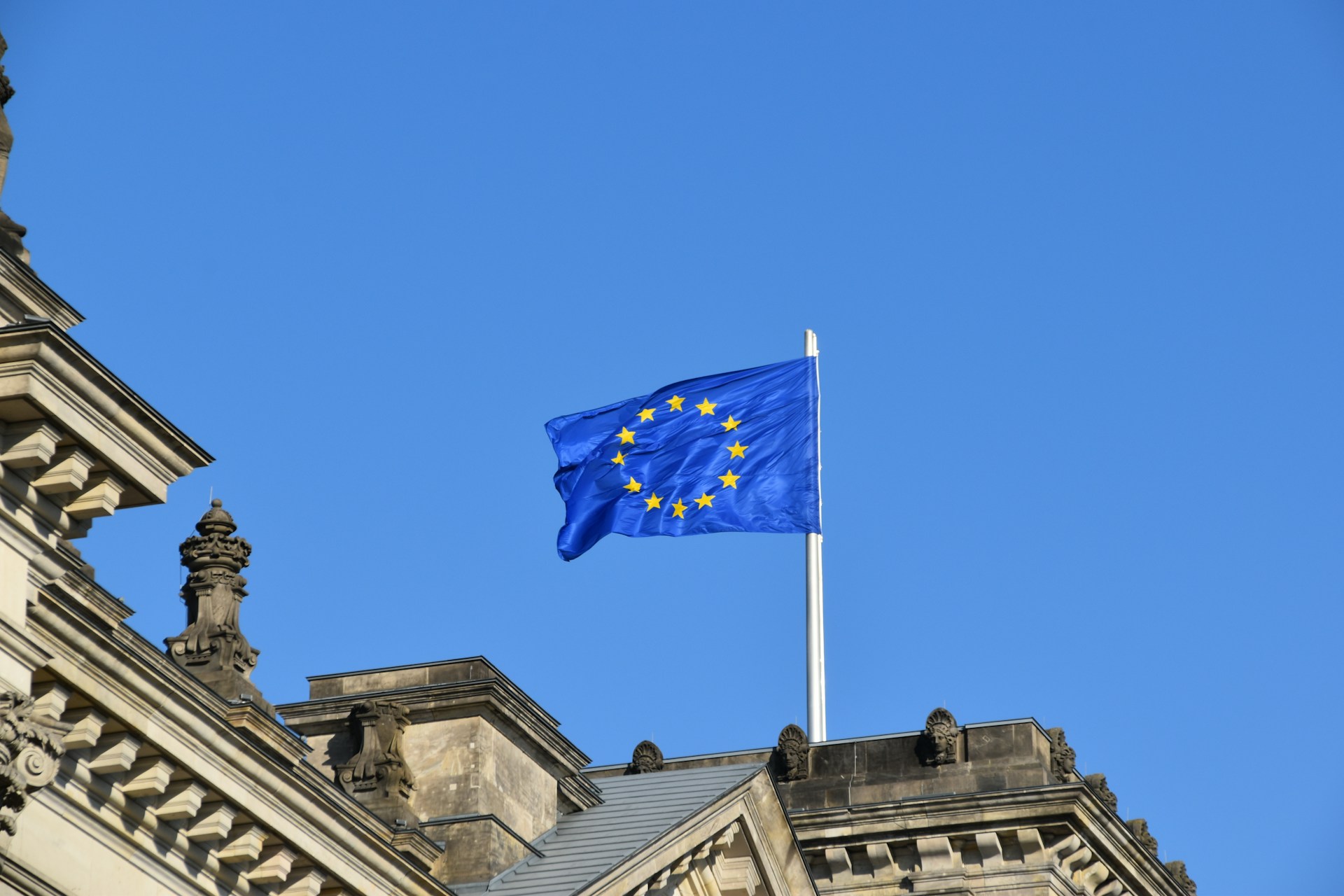
The Trump administration has taken decisive action against what it says is a growing foreign campaign to suppress American free speech.
On Tuesday, the U.S. State Department confirmed that five prominent European figures have been barred from entering the United States under a new visa policy aimed at combating foreign-backed censorship. The policy, introduced earlier this year, targets individuals who work to pressure U.S. companies into restricting constitutionally protected speech.
Secretary of State Marco Rubio said the administration is drawing a firm line.
“For far too long, ideological actors in Europe have organized efforts to coerce American platforms into silencing viewpoints they oppose,” Rubio said. “The Trump administration will not tolerate censorship imposed on Americans by foreign interests.”
Rubio added that the list of barred individuals could grow if such activities continue.
Who Is Affected
According to the State Department, the five individuals now facing entry restrictions include:
- Thierry Breton, a former European Union commissioner
- Imran Ahmed, head of the Centre for Countering Digital Hate
- Clare Melford, associated with the Global Disinformation Index
- Josephine Ballon and Anna-Lena von Hodenberg, leaders of the Germany-based group HateAid
State Department Undersecretary Sarah Rogers publicly confirmed the decision and defended the move.
“If you have spent your career pushing censorship of American speech, you are not welcome in the United States,” Rogers wrote on X.
She also noted that some of the individuals allegedly worked with U.S. officials during previous government efforts to influence online speech—an issue examined in the Supreme Court case Murthy v. Missouri, which addressed behind-the-scenes government pressure on tech platforms.
Focus on EU Digital Regulations
Administration officials placed particular emphasis on Breton’s role in shaping the European Union’s Digital Services Act, a sweeping law that grants regulators broad authority over online content moderation.
Officials accused Breton of using the law to threaten American companies, including issuing warnings directed at Elon Musk and initiating investigations into Musk’s social media platform, X.
Earlier this month, European regulators fined X approximately $141 million for alleged transparency violations. The move sparked backlash from Trump allies, who argued that European officials were attempting to exert control over U.S. companies and influence American political debate.
Breton responded by dismissing the criticism, stating that the Digital Services Act had broad support across Europe and rejecting claims that it amounted to censorship.
What Happens Next
While many European citizens typically enter the United States through the Visa Waiver Program, it remains unclear whether the additional screening requirements will fully prevent the five individuals from traveling to the U.S.
State Department officials have not yet released detailed guidance on enforcement. However, the administration says the policy is intended to send a clear signal: foreign actors who seek to undermine American free speech should expect consequences.