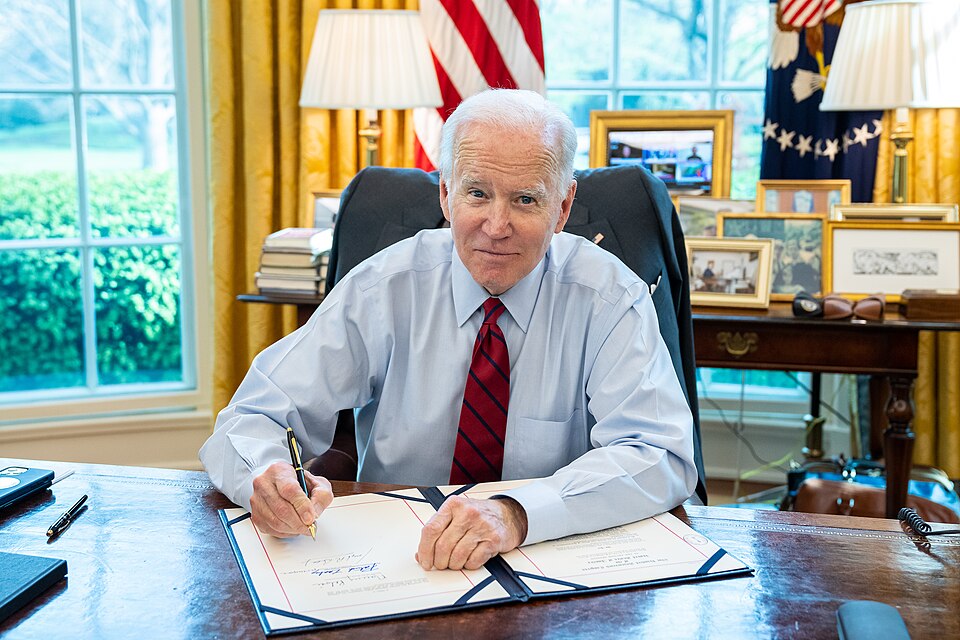
Trump fixed another huge Biden mistake.
In a dramatic reversal of past energy policy, Donald Trump has officially approved a major new oil pipeline from Canada into the United States—reviving American energy expansion after what many critics called years of costly restrictions under Joe Biden.
The move is already sparking national debate—and could have a direct impact on gas prices, jobs, and America’s long-term energy independence.
A Massive Pipeline Project Moves Forward
The project, known as the Bridger Pipeline Expansion (nicknamed “Keystone Light”), would transport up to 550,000 barrels of oil per day from Canada through Montana and Wyoming.
That’s a massive volume—roughly two-thirds the capacity of the controversial Keystone XL pipeline that was shut down shortly after Biden took office in 2021.
Trump didn’t mince words when announcing the decision:
“The last administration wouldn’t approve pipelines. We’re building them again.”
Why This Decision Matters for Everyday Americans
For millions of Americans—especially retirees and those on fixed incomes—energy prices hit close to home.
Supporters of the project say this pipeline could:
- Help stabilize fuel costs
- Reduce reliance on foreign oil
- Strengthen U.S. energy independence
- Create thousands of jobs in construction and energy sectors
At a time when inflation and global instability remain concerns, many see this as a return to practical, America-first energy policy.
A Direct Reversal of Biden-Era Policies
The decision also reopens a long-running debate over energy and environmental policy.
When Biden canceled the Keystone XL pipeline in 2021, it triggered backlash not just in the U.S., but also in Canada. Leaders like Justin Trudeau had supported the project, and Alberta had already invested heavily in it.
Now, Trump’s approval signals a sharp policy shift—one focused on expanding infrastructure rather than limiting it.
What About Environmental Concerns?
Opponents argue pipelines always carry risk—and they’re not wrong to raise the issue.
Environmental groups warn about potential spills and long-term environmental impact. Past incidents involving pipeline operators have only added to those concerns.
But the company behind the project says things are different now.
They claim major upgrades have been made, including:
- AI-powered leak detection systems
- Deeper underground construction beneath major rivers
- Faster emergency response capabilities
In short, they argue today’s pipelines are safer, smarter, and more reliable than ever before.
A Race Against the Clock
There’s one major factor shaping the future of this project: time.
Developers are aiming to begin construction by 2027 and complete the pipeline before the end of Trump’s current term in 2029.
Why the rush?
Because a future administration could attempt to reverse course again—just as happened before.
The Bigger Picture: Energy, Jobs, and America’s Future
This isn’t just about one pipeline.
It’s about the direction of U.S. energy policy—and whether America chooses to:
- Expand domestic production
- Lower reliance on foreign nations
- Or continue down a path of tighter restrictions
For many Americans watching closely, this decision represents more than infrastructure—it’s a signal of where the country is headed next.
Bottom Line
Trump’s approval of the Bridger Pipeline Expansion marks a major turning point in the energy debate.
Supporters see it as a long-overdue correction that could boost jobs, lower costs, and strengthen national security.
Critics remain concerned about environmental risks.
But one thing is clear: this decision is likely to have lasting effects on the U.S. economy—and on the daily lives of millions of Americans.