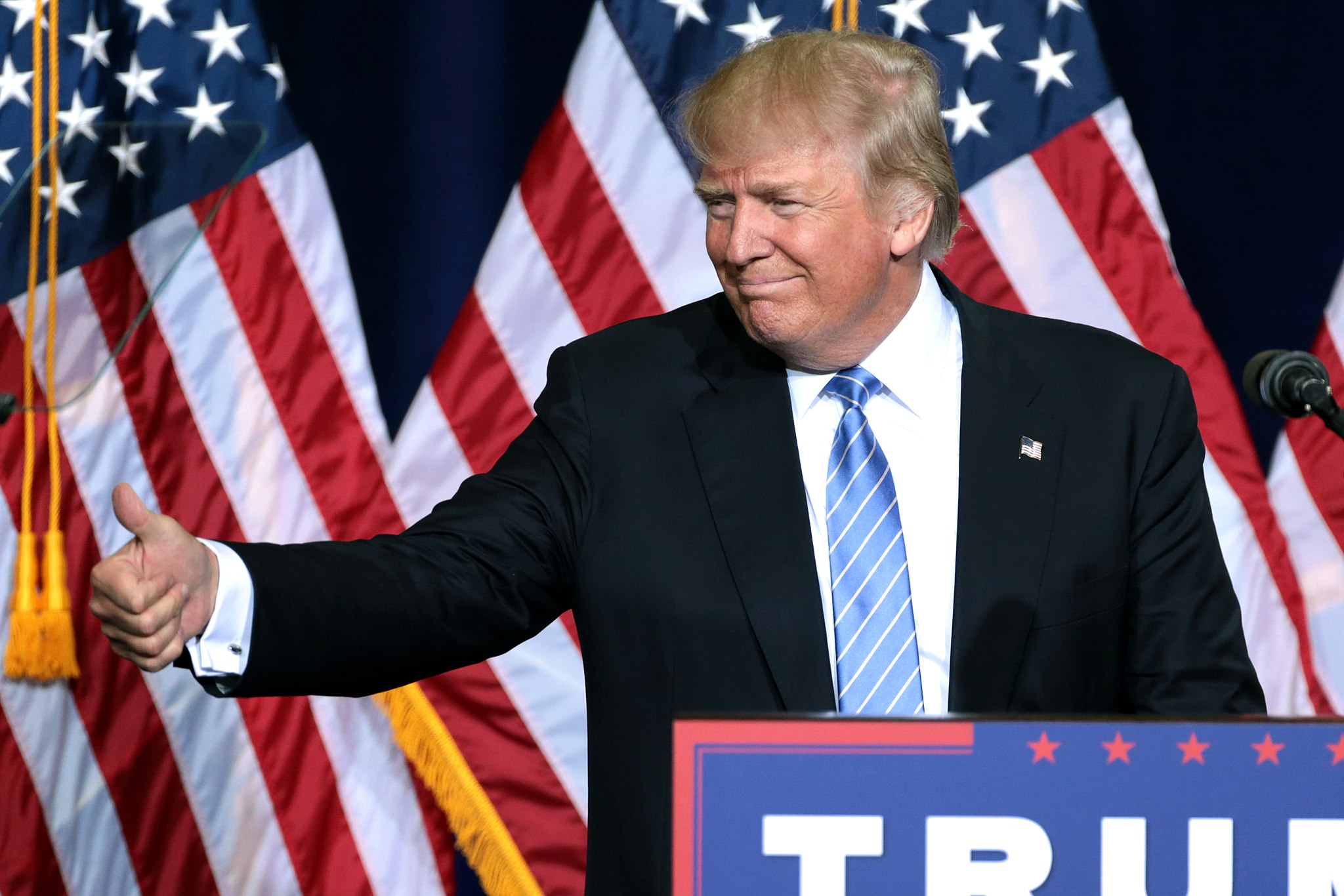
Here’s what Trump is thinking.
Washington, D.C. — In a move that’s sending shockwaves through the immigration system, President Donald Trump’s Department of Justice has asked a federal court to affirm the government’s power to revoke green cards long after they’ve been issued — even decades later.
The case, now before the Third Circuit Court of Appeals, could redefine what it means to be a lawful permanent resident in the United States. At the center of the debate is whether the Attorney General — currently Pam Bondi — can re-examine and reverse green card decisions from the past.
This policy shift comes as part of Trump’s continued push to strengthen America’s borders, restore integrity to immigration laws, and protect U.S. citizens from security threats.
⚠️ Millions of green card holders may be at risk — and most have no idea.
DOJ Pushes for Retroactive Power Over Green Cards
At Tuesday’s hearing, a top DOJ attorney argued that green card status can be revoked if certain administrative steps — such as biometric updates or visa certification — were never fully completed. That applies regardless of how many years have passed.
“The regulation doesn’t impose any time limit,” the government’s lawyer stated, adding that the agency has the right to revisit decisions at any point — even decades later — if “exceptional circumstances” arise.
Legal analysts say this is part of President Trump’s America First immigration plan: tighten enforcement, prioritize national security, and make sure only qualified individuals receive the privilege of U.S. residency.
The Case of Imam Mohammad Qatanani: A Flashpoint in Immigration Law
The legal dispute centers around Mohammad Qatanani, a Palestinian-born imam who moved to New Jersey in 1996 and applied for a green card in 1999. Federal officials cited alleged ties to Hamas and a prior Israeli detention — claims he denies — and denied his application in 2006.
Despite immigration judges twice ruling in his favor, the Board of Immigration Appeals later reversed course and stripped him of his green card. He is now appealing that decision.
The DOJ now argues that the original ruling was never finalized due to paperwork and procedural gaps — and therefore remains open to reversal.
📌 Key Point: The government failed to appeal the immigration judge’s decision within the usual 30-day window, but is now asserting it can still revoke his green card based on administrative technicalities.
Legal Experts Warn of Due Process Violations
Critics, including law professors and immigration attorneys, say the DOJ’s stance could create a dangerous precedent.
“This would allow green cards to be revoked not for fraud or crime,” said one expert, “but because of clerical errors by the government. That undermines due process.”
Under the Immigration and Nationality Act, only an immigration judge — not DHS or the DOJ — can legally revoke permanent resident status, and only after a hearing and a formal burden of proof.
Legal professionals warn this reinterpretation could destabilize millions of lawful permanent residents, many of whom have lived peaceful, law-abiding lives in the U.S. for decades.
What This Means for You — and the Future of U.S. Immigration
✅ If the court sides with the Trump administration, the ruling would immediately impact green card holders in Pennsylvania, New Jersey, and Delaware.
➡️ But it could go further. If appealed to the U.S. Supreme Court, a favorable ruling could set nationwide precedent, giving the federal government sweeping authority to retroactively revoke green cards across all 50 states.
For conservatives and patriotic Americans concerned about border security, national safety, and restoring lawful immigration, this case is a pivotal test of whether the United States can fix a broken system.
🛑 Bottom line: A green card may no longer be a lifetime guarantee — and that could reshape immigration for generations.
Final Thought
President Trump made a promise to put Americans first, and that means enforcing immigration laws to the letter — even if it means reopening cases from decades past. The days of “rubber-stamp” green card approvals may be over, and that’s a win for national security and the rule of law.