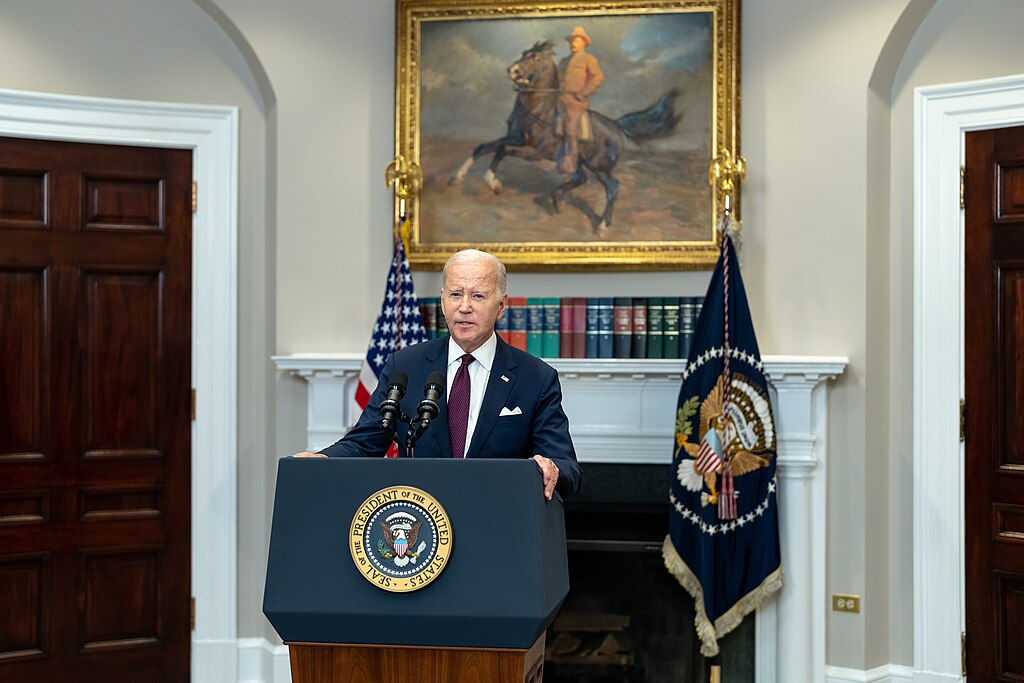
Trump is fixing more of Biden’s mistakes.
President Donald Trump’s administration is reversing another Biden-era approach to agriculture and trade — and early numbers suggest the move could help American farmers regain lost ground.
A newly released forecast from the U.S. Department of Agriculture (USDA) shows the nation’s agricultural trade deficit is expected to shrink significantly in fiscal year 2026.
The report projects the deficit will fall from $43.7 billion in 2025 to roughly $29 billion in 2026, a major improvement from earlier projections.
For many in the agriculture industry, the shift signals that policies designed to strengthen American production and expand export opportunities may already be starting to deliver results.
Trade Gap Shrinking After Years of Growth
According to USDA officials, the United States historically ran a strong agricultural trade surplus, exporting far more food and farm products than it imported.
However, that balance shifted in recent years, leading to a growing deficit during the previous administration.
Luke Lindberg, the USDA’s Under Secretary for Trade and Foreign Agricultural Affairs, said the latest numbers show the situation moving back in the right direction.
He noted that earlier forecasts near the end of the Biden administration projected the agricultural trade deficit could reach nearly $50 billion.
The latest USDA outlook shows that number dropping to $29 billion — a 43% improvement in just one year.
While officials say more work remains, the administration views the trend as a promising sign for American farmers and ranchers.
Trump Trade Strategy Aimed at Restoring Farm Surplus
The USDA says its current strategy focuses on rebuilding the strong export market that American agriculture once enjoyed.
Officials outlined a three-part plan designed to strengthen the position of U.S. farmers around the world:
- Negotiating strong trade agreements that open foreign markets
- Building direct relationships between U.S. producers and international buyers
- Holding trade partners accountable to existing agreements
The goal is simple: help American farmers sell more products globally while strengthening domestic agriculture.
New Export Markets Opening for American Farmers
Lindberg also highlighted the importance of expanding access to international markets.
One recent example is Malaysia, where new opportunities are opening for U.S. agricultural products.
During a recent visit, Lindberg said demand for American goods appeared strong, with buyers expressing confidence in the quality and safety of U.S. farm products.
In one striking example, a restaurant owner in Malaysia reportedly invested her own money in a U.S.-based processing facility so she could serve American beef in her restaurant.
Stories like this demonstrate how American agriculture continues to attract global demand.
What It Could Mean for Grocery Prices
The administration believes strengthening domestic agriculture could also have benefits for consumers at home.
The USDA forecast suggests imports of certain agricultural products — including fruits and vegetables — may decline as domestic production increases.
Producing more food within the United States can help reduce transportation costs and supply chain risks.
Officials say that could eventually translate into lower prices at the grocery store, something many American families have been hoping to see after several years of rising food costs.
Signs of a Turnaround for U.S. Agriculture
While the United States still runs an agricultural trade deficit today, USDA officials say the narrowing gap shows progress toward restoring the country’s traditional trade surplus.
For decades, American farmers and ranchers were among the world’s most successful exporters.
If current trends continue — and new trade opportunities expand — the administration believes the U.S. farm economy could once again return to that position.
For now, the latest USDA forecast offers an encouraging sign that America’s agricultural sector may be moving back toward stronger global competitiveness.