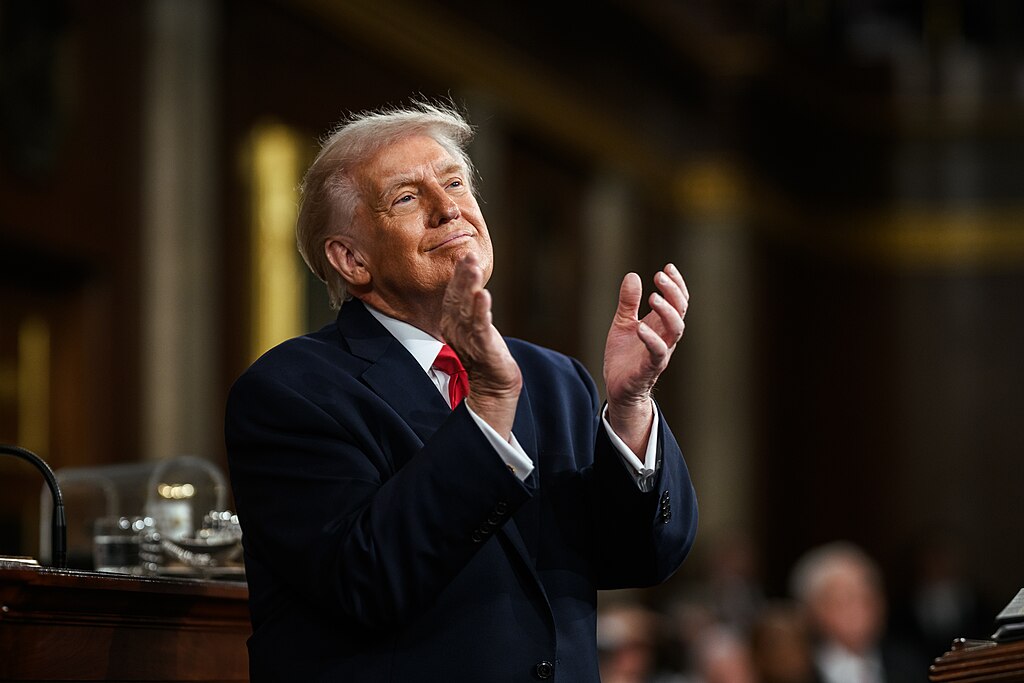
Trump has a warning.
President Donald Trump is warning Americans that rising gas prices may continue for a short time as the United States remains involved in military operations against Iran. However, the president also delivered a message of optimism, predicting that once the conflict stabilizes, energy prices could fall sharply — possibly even dropping below previous levels.
Speaking to reporters inside the Oval Office, Trump acknowledged that global oil markets have reacted to the conflict, pushing gasoline prices higher across the United States.
“We have a little higher oil prices for a short period,” Trump said. “But once this situation ends, I believe those prices will drop — and they could go even lower than they were before.”
For millions of Americans, especially retirees and families on fixed incomes, the price of gasoline remains one of the most closely watched economic indicators.
Gas Prices Rise Across the United States
According to new data from the American Automobile Association (AAA), the national average price for gasoline jumped about 11 cents overnight, reaching approximately $3.11 per gallon.
Energy analysts say the increase is largely tied to uncertainty in global oil markets following the recent military strikes against Iran. Whenever geopolitical tensions threaten major oil supply routes, traders often push crude oil prices higher, which quickly affects gas prices for American drivers.
Even modest increases in oil prices can translate into noticeable changes at the pump.
Why the Strait of Hormuz Matters
One of the biggest reasons for the recent surge in oil prices involves concerns surrounding the Strait of Hormuz, one of the most important energy shipping lanes in the world.
This narrow sea corridor between Iran and Oman is a vital route used by oil tankers moving crude from Middle Eastern producers to markets worldwide.
According to the U.S. Energy Information Administration, roughly 26.6 percent of the world’s maritime oil trade passed through the Strait of Hormuz during the first quarter of 2025.
Following the joint U.S.–Israeli strikes on Iranian targets, Iran has reportedly threatened vessels operating near the strait and is believed to have launched attacks against ships in the region, raising fears of supply disruptions.
If that shipping lane were ever blocked, even temporarily, global oil prices could surge dramatically.
Trump Moves To Protect Global Energy Supply
To prevent disruptions in energy shipments, President Trump announced new steps designed to protect international maritime trade.
In a message posted on Truth Social, Trump revealed that the U.S. International Development Finance Corporation will offer financial protections to shipping companies transporting energy through the Gulf region.
The initiative will provide political risk insurance and financial guarantees to shipping lines operating in the area.
Trump also suggested that the United States military is prepared to step in if needed to protect the flow of global energy supplies.
Trump wrote that the United States Navy could begin escorting oil tankers through the Strait of Hormuz if the situation requires it.
“No matter what, the United States will ensure the free flow of energy to the world. America’s economic and military power remains the strongest on Earth.”
Trump Defends Military Action Against Iran
During the same remarks, Trump strongly defended the U.S. military strikes targeting Iran’s nuclear infrastructure.
The president argued that failing to act could have allowed Iran’s regime to continue developing dangerous weapons that threaten both American forces and U.S. allies.
“If we didn’t do what we’re doing right now, the world could be facing a nuclear disaster,” Trump said.
The administration has repeatedly stated that Iran’s leadership cannot be allowed to obtain nuclear weapons, a policy that Trump emphasized has been central to his presidency.
Operation Midnight Hammer Targeted Nuclear Facilities
The recent strikes were carried out as part of Operation Midnight Hammer, a coordinated military operation conducted alongside Israel.
According to the administration, the strikes targeted major Iranian nuclear facilities including sites in:
- Fordow
- Natanz
- Isfahan
Trump said the mission was designed to cripple Iran’s nuclear capabilities and reduce the regime’s ability to threaten the United States, American troops, and allies throughout the region.
In an earlier speech announcing the mission, Trump said the goal was to protect Americans and remove urgent threats coming from the Iranian regime.
American Troops Killed During Operations
The Pentagon confirmed Monday that two additional U.S. service members were killed during military operations related to the conflict, bringing the total number of American fatalities to six.
Defense officials have not released full details surrounding the latest deaths but confirmed they occurred during ongoing military operations connected to the strikes on Iran.
The loss of American troops highlights the serious risks involved in confronting hostile regimes abroad.
How Oil Prices Affect Gas Prices
One of the biggest factors driving gasoline prices is the cost of crude oil, which makes up the largest portion of the price consumers pay at the pump.
Research from the Federal Reserve Bank of Dallas found that increases in crude oil prices often take about 20 days to fully impact gasoline prices.
The study also found that a $10 increase in crude oil prices typically raises gasoline prices by about 25 cents per gallon.
Because of this delay, the full effect of recent geopolitical tensions may take several weeks to appear at gas stations across the country.
Summer Travel Also Driving Fuel Costs Higher
Another reason gas prices are climbing has little to do with geopolitics. Every year, prices tend to rise as the summer driving season begins.
During the summer months, millions of Americans take road trips, travel for holidays, and spend more time on the road. Increased demand for gasoline naturally pushes prices higher.
Energy analysts say this seasonal demand is combining with global tensions to create short-term upward pressure on fuel prices.
Trump Predicts Energy Prices Will Fall
Despite the recent increase, Trump remains confident that energy markets will eventually stabilize.
Once tensions ease in the Middle East and oil shipments return to normal, the president believes oil prices could fall quickly — bringing relief to American drivers.
For now, the administration says its priority is protecting global energy supply routes and ensuring that hostile regimes cannot threaten the world’s energy infrastructure.
If those goals are achieved, Trump says Americans could eventually see lower gas prices and stronger energy security in the months ahead.