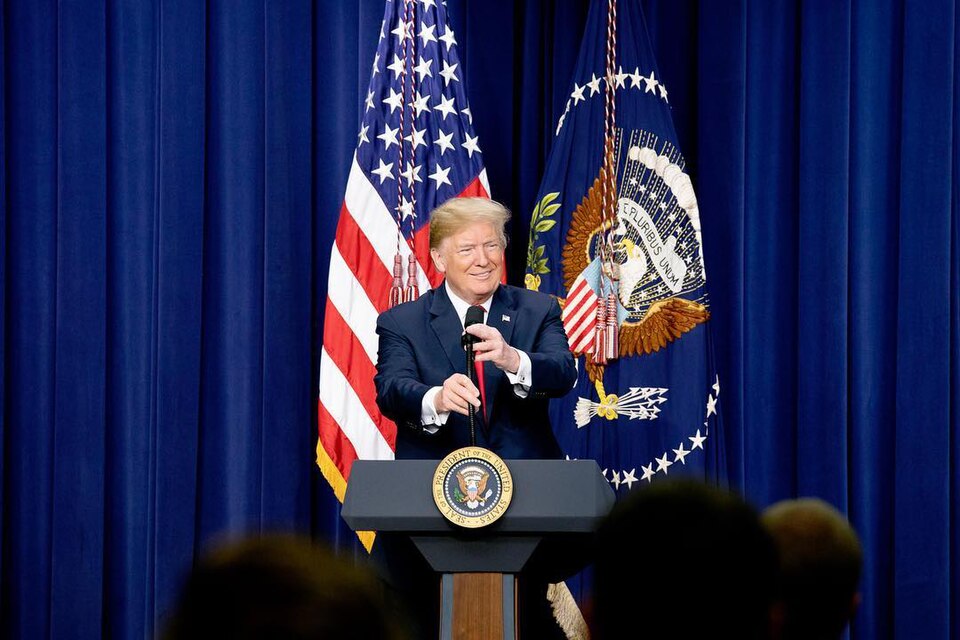
Trump probably didn’t expect it to cost this much.
The financial cost of America’s military campaign involving Iran continues to rise as tensions in the Middle East show few signs of easing. With renewed fighting near the Strait of Hormuz and uncertainty surrounding future diplomatic negotiations, defense experts say the overall price tag could grow substantially if the conflict continues.
While the Trump administration maintains that military action is necessary to prevent Iran from developing a nuclear weapon, analysts warn that the long-term burden on taxpayers could extend well beyond the immediate costs of combat.
Pentagon Seeks Billions for Military Operations
To help replenish weapons stockpiles, replace military equipment, and support troop deployments in the U.S. Central Command region, the White House has asked Congress to approve an $87 billion emergency spending package.
The proposal has drawn questions from lawmakers in both parties, with some requesting additional details before approving the funding.
When asked Friday about the total cost of operations, Pentagon officials referred to previous congressional testimony from Defense Secretary Pete Hegseth and senior budget officials.
Earlier this year, acting Pentagon Chief Financial Officer Jules Hurst III told lawmakers military operations had approached $29 billion, citing equipment replacement expenses and ongoing operational costs.
A month later, then-Office of Management and Budget Director Russell Vought estimated the total had climbed to roughly $30 billion.
Independent Estimates Put Costs Higher
Several outside organizations believe the overall cost is significantly greater than the administration’s estimates.
The American Enterprise Institute estimated Operation Epic Fury had reached approximately $38.6 billion by late June. The Center for Strategic and International Studies placed the figure at around $40 billion.
Kent Smetters, a professor at the University of Pennsylvania’s Wharton School and a former Congressional Budget Office official, estimated costs had already climbed to roughly $45 billion during the early months of the campaign.
According to Smetters, one reason for the difference is how military equipment and munitions are valued.
Rather than using today’s replacement costs, some government estimates rely on the original purchase price of weapons, which can significantly understate what it would cost to rebuild depleted stockpiles.
Questions Raised About Pentagon Accounting
Other experts believe the total financial impact could be even larger.
Harvard Kennedy School public policy lecturer Linda Bilmes argued the Defense Department’s accounting methods fail to capture the full cost of modern military operations. She estimated expenses related to the conflict could already approach $100 billion when broader obligations are included.
Bilmes also pointed to the Pentagon’s long-running audit challenges as one reason outside analysts often arrive at higher estimates than official government figures.
Precision Weapons Drive Early Spending
A large share of the initial cost came from the extensive use of advanced precision-guided weapons during the opening phase of the campaign.
According to U.S. Central Command Commander Adm. Brad Cooper, American forces fired more than 13,000 strike munitions before a ceasefire was announced.
Pentagon officials reportedly told lawmakers that the first six days of combat alone generated more than $11 billion in expenses.
Military analysts note that while these precision weapons carry a higher price tag than older systems, they are also considerably more accurate, reducing the number of strikes needed to hit military targets.
As the campaign continued, U.S. forces increasingly relied on lower-cost munitions, helping reduce daily expenses while still requiring future replenishment of military inventories.
Congress Reviews Emergency Funding Request
The administration’s supplemental spending request includes funding for military readiness, operational costs, fuel, cybersecurity, drones, classified defense programs, and replacement weapons.
Defense specialists say future funding requests could also include money to repair or replace damaged aircraft, drones, radar systems, naval equipment, and other military assets used during the operation.
Lawmakers are expected to closely examine the proposal before deciding whether to approve the additional spending.
Ceasefire Remains Fragile
Although combat operations slowed after a ceasefire announced in June, thousands of U.S. service members remain deployed throughout the region alongside multiple aircraft carrier strike groups.
This week, tensions increased again following reported attacks on commercial shipping in the Strait of Hormuz. U.S. forces responded with additional strikes inside Iran, raising new concerns about whether the conflict could expand further.
Even during periods of reduced combat, maintaining a large military presence requires substantial spending on logistics, flight operations, intelligence missions, equipment maintenance, and special pay for deployed personnel.
Smetters estimated those continuing operations currently cost roughly $300 million each day.
Americans Could Feel the Economic Impact
Beyond military spending, economists say the conflict could affect household budgets through higher energy prices.
Smetters estimated the average American family could spend roughly $240 more on gasoline over several months of elevated tensions. If instability continues for an entire year, those added fuel costs could rise to between $750 and $800 per household.
Researchers at Brown University’s Watson Institute estimate increased gasoline and diesel prices have already added more than $67 billion in costs for American consumers.
Long-Term Obligations Continue to Grow
Experts say the financial impact will likely continue long after military operations end.
Bilmes estimated repairing U.S. military facilities and equipment across the region could cost between $250 billion and $300 billion over the next several years.
She also projected that healthcare, disability compensation, and other lifetime benefits for veterans who served during Operation Epic Fury could total between $250 billion and $500 billion over the next decade.
Another major concern is the cost of financing the conflict.
Because much of the spending has been funded through federal borrowing, taxpayers could ultimately face billions more in interest payments as higher borrowing costs add to the national debt.
Trump Says Ceasefire Is Over
On Friday, President Donald Trump announced that the ceasefire that had been in place since June had ended, even as diplomatic discussions with Iran are expected to continue.
In a post on Truth Social, Trump wrote that Iran had requested additional talks but emphasized that the United States considers the ceasefire to be over.
Whether negotiations lead to a lasting agreement or military operations expand again, analysts agree that the financial cost of the conflict continues to grow.
As Congress weighs billions in additional defense spending, the debate over the economic impact of America’s involvement in the Middle East is expected to remain at the center of discussions in Washington.