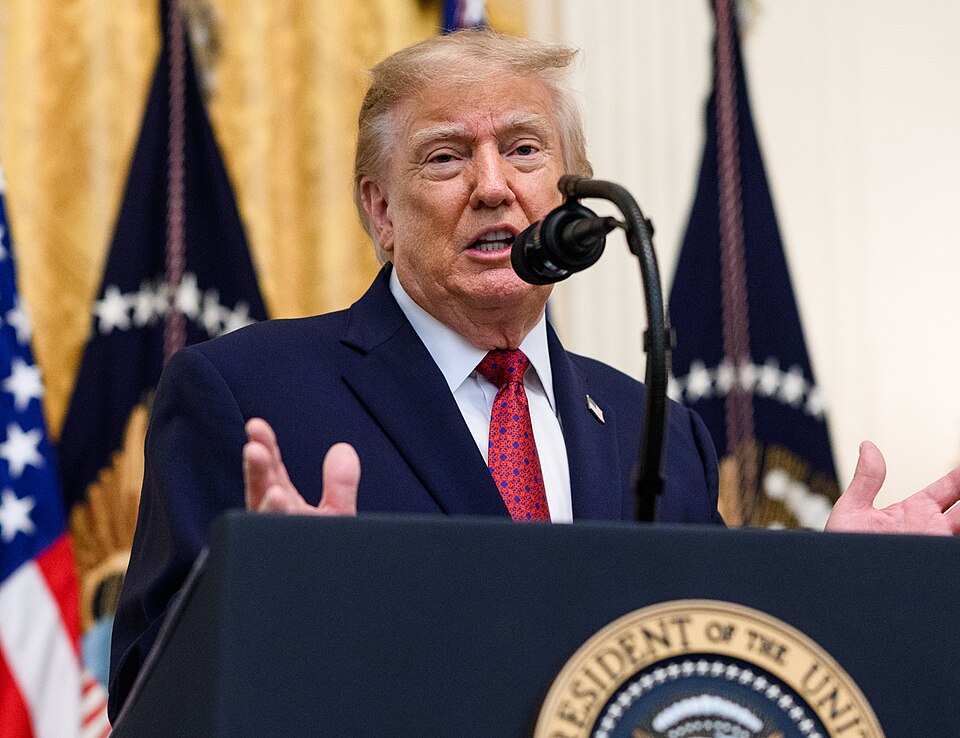
Here’s what President Trump wants.
President Donald Trump is taking an aggressive new approach to overturning his controversial 34-count felony conviction in New York, launching a two-front legal battle that could have major implications for his criminal record and presidential legacy.
Trump’s attorneys are now pursuing challenges in both state and federal appeals courts, arguing that serious legal problems surrounding the original trial justify throwing out the historic verdict.
The latest developments come more than two years after a Manhattan jury convicted Trump of falsifying business records, a case that became one of the most politically divisive legal battles in modern American history.
Despite returning to the White House, Trump has continued fighting to clear his name, and his legal team is now asking judges to reconsider whether the conviction should stand.
Trump Makes Major Legal Move In Two Courts
Trump’s legal team has intensified its efforts to overturn the May 2024 conviction, pursuing separate arguments before New York’s state appellate court and the federal judiciary.
On November 5, 2026, Trump’s attorneys appeared before a New York appeals court to challenge the verdict and argue that legal errors undermined the prosecution.
Less than two weeks later, on November 16, attorneys presented arguments before the U.S. Court of Appeals for the Second Circuit.
That federal hearing centered on whether Trump’s criminal case could be transferred from New York state court into the federal court system.
The strategy gives Trump two separate opportunities to challenge the legal proceedings that resulted in his conviction.
However, both courts must evaluate different legal questions, and neither has overturned the verdict.
Trump’s Lawyers Raise Serious Constitutional Concerns
A central part of Trump’s legal defense involves presidential immunity and the constitutional protections afforded to the nation’s chief executive.
In July 2024, the U.S. Supreme Court issued a landmark ruling establishing broad protections against criminal prosecution for certain official presidential actions.
Trump’s attorneys argue that the New York proceedings improperly incorporated evidence involving his official conduct as president.
According to the defense, the introduction of that evidence raises constitutional concerns that could justify overturning the verdict.
The prosecution has rejected that interpretation, maintaining that the conviction was legally supported and that Trump’s conduct was not shielded from prosecution in the manner his attorneys claim.
The disagreement has become a significant part of the ongoing legal battle.
For the courts, the challenge involves determining how presidential immunity protections apply to a criminal case involving conduct connected to both a presidential campaign and Trump’s time in office.
What Led To Trump’s 34 Felony Convictions?
The original case involved financial transactions connected to the 2016 presidential election.
Manhattan prosecutors accused Trump of falsifying business records to conceal the nature of reimbursements associated with a $130,000 payment to adult film performer Stormy Daniels.
The payment was made shortly before the election, and prosecutors argued that the records were falsified as part of an effort to conceal another crime.
A Manhattan jury found Trump guilty on 34 felony counts in May 2024.
Trump has repeatedly denied wrongdoing and maintained that the prosecution was politically motivated.
The conviction marked the first time a former American president had been found guilty of a felony.
Nevertheless, the legal controversy did not prevent Trump from winning the 2024 presidential election and returning to the White House in January 2025.
Why Trump’s Criminal Record Remains An Issue
Although Trump was convicted on all 34 counts, the sentencing decision did not result in incarceration or additional restrictions on his freedom.
In January 2025, the judge overseeing the case imposed an unconditional discharge.
That meant Trump received no jail sentence, probation, or criminal fine.
However, the guilty verdict remained on his record.
This distinction helps explain why Trump continues pursuing appeals despite facing no punishment under the sentence.
Overturning the conviction would represent a significant legal victory and could remove a major source of controversy surrounding his presidency.
The outcome could also influence future legal discussions about presidential immunity, the authority of state prosecutors, and the role of federal courts in criminal cases involving presidents.
Federal Appeals Court Faces Important Decision
During the November 16 hearing, federal appellate judges examined whether Trump’s case could legally be moved out of the New York state court system.
Trump’s attorneys believe transferring the case to federal court could allow them to pursue dismissal based on constitutional immunity protections.
However, prosecutors have challenged that approach, arguing that the case belongs in state court and that Trump’s efforts to transfer it face substantial legal obstacles.
The federal judges must consider whether the law permits such a transfer after a jury has already delivered a verdict and a sentence has been imposed.
Even if Trump succeeds in securing a transfer, that decision alone would not automatically erase his conviction.
His attorneys would still need to establish grounds for overturning or dismissing the case.
Meanwhile, New York’s appellate court is separately reviewing claims involving the original trial, including arguments about the legal basis for the felony charges and the evidence presented to jurors.
What Happens If Trump Wins His Appeal?
A successful appeal could significantly change Trump’s legal position.
Depending on the court’s reasoning, a favorable ruling could overturn the conviction, require further proceedings, or create another opportunity for Trump’s attorneys to seek dismissal.
However, the legal process could continue if prosecutors challenge a decision in Trump’s favor.
An unfavorable ruling could also lead Trump’s attorneys to pursue additional appeals.
The ultimate outcome remains uncertain, and no court has announced that Trump’s conviction has been erased.
The case illustrates the complicated legal questions that can arise when criminal proceedings intersect with the presidency.
Trump’s Legal Battle Is Far From Over
Trump’s latest court challenges show that the president remains determined to fight the New York verdict, even after returning to the nation’s highest office.
For Trump, the case is no longer about avoiding imprisonment or a financial penalty. It is about overturning a conviction that has remained part of his public and political record.
His attorneys believe the original proceedings contained significant legal flaws, while prosecutors continue defending the jury’s decision.
Both sides now await rulings that could determine the next phase of this lengthy legal dispute.
The biggest question is whether either appeals court will accept Trump’s arguments and give him a path toward overturning all 34 felony convictions.
For now, the verdict remains intact, but Trump’s latest legal moves make clear that the battle over his criminal record is not finished.