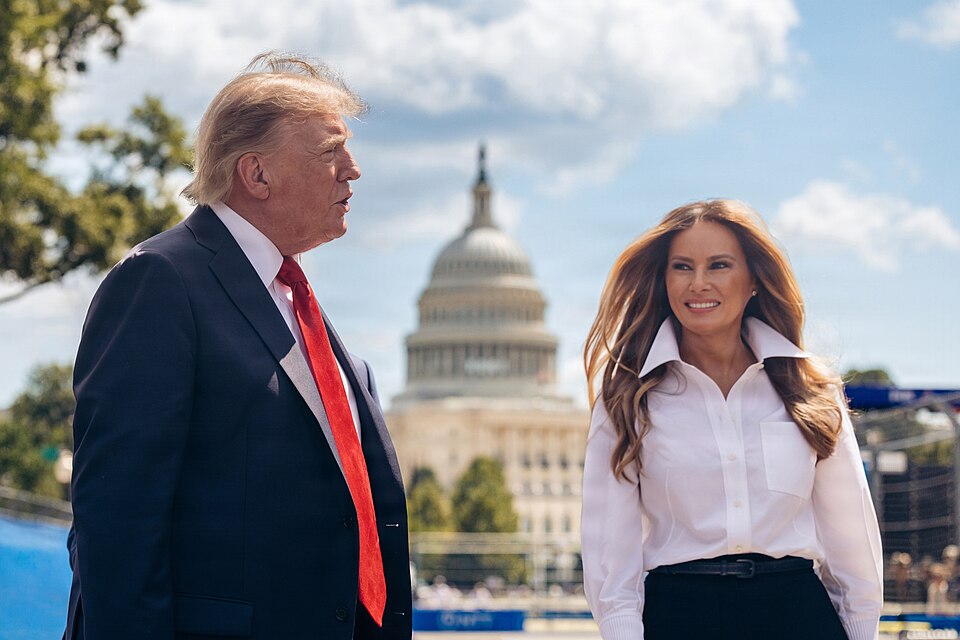
Trump Still Trying To Secure Major Deal
The Trump administration and Iran remain involved in indirect negotiations as regional mediators work to end the fighting and reopen the Strait of Hormuz, a vital shipping route for global oil supplies.
The talks could have major consequences for American consumers, energy markets and U.S. foreign policy.
President Donald Trump has not agreed to Iran’s latest proposal, but diplomatic discussions remain active as both sides face growing economic pressure.
At the center of the dispute are three major issues: Iran’s nuclear program, U.S. sanctions and the reopening of the Strait of Hormuz.
Trump Keeps Door Open to Iran Negotiations
Although Trump rejected Iran’s initial terms, his administration has not ruled out a diplomatic settlement.
U.S. officials have indicated that Washington could consider sanctions relief and the release of some frozen Iranian assets if Tehran makes meaningful concessions involving its nuclear program.
The administration is also seeking stronger guarantees that Iran will honor any future agreement.
One possible requirement would involve greater access for international inspectors monitoring Iranian nuclear facilities.
That issue remains one of the biggest obstacles to a deal.
Iran wants economic relief quickly, while Washington wants concrete action from Tehran before removing major restrictions.
Iran Wants Strait of Hormuz Reopened Within Days
Iran’s proposal calls for the Strait of Hormuz to reopen rapidly if the United States agrees to several conditions.
Those demands reportedly include easing the blockade of Iranian ports, releasing frozen Iranian funds and reducing restrictions on Iranian oil exports.
The Strait of Hormuz is one of the most important energy corridors in the world.
A significant portion of internationally traded oil normally passes through the narrow waterway, making disruptions there a major concern for consumers, businesses and governments around the world.
Any lasting agreement that restores normal shipping could help reduce pressure on energy markets.
Why the Strait of Hormuz Matters to Americans
Events thousands of miles from the United States can still affect household budgets.
When shipping through the Strait of Hormuz is threatened, oil traders often react quickly because of concerns about future supplies.
Higher crude oil prices can eventually contribute to higher gasoline, diesel, transportation and manufacturing costs.
Those increases can spread throughout the economy because nearly every major industry depends on transportation and energy.
For retirees, working families and Americans living on fixed incomes, even relatively small increases in fuel and grocery costs can add up quickly.
That makes the outcome of the negotiations more than a foreign-policy story.
It could also become an economic issue at home.
Nuclear Program Remains Major Sticking Point
Washington continues to insist that Iran’s nuclear activities must be addressed before a larger agreement can move forward.
The United States wants assurances that Tehran will comply with restrictions and allow adequate international oversight.
Iran has signaled some willingness to discuss nuclear issues, but major differences remain over the order in which each side would make concessions.
The dispute essentially comes down to trust.
Washington wants Iran to act first or simultaneously on key nuclear commitments.
Tehran wants sanctions relief and other economic benefits without waiting through a lengthy negotiating process.
That disagreement has complicated earlier attempts to reach a lasting settlement.
Qatar and Oman Play Important Roles
Regional governments are once again serving as intermediaries between Washington and Tehran.
Qatar has been involved in discussions aimed at narrowing the differences between the two sides.
Iran has also held talks involving Oman over arrangements for shipping through the Strait of Hormuz.
Because the United States and Iran do not always negotiate directly, countries with working relationships on both sides can play an important role in passing proposals back and forth.
Those diplomatic channels could become increasingly important if negotiations move toward a formal agreement.
Trump Administration Remains Skeptical
U.S. officials remain cautious about Iran’s willingness to follow through on its commitments.
Previous agreements and ceasefire efforts have broken down, creating substantial mistrust between the two governments.
The Trump administration is therefore seeking more than verbal promises.
Washington wants enforceable commitments involving Iran’s nuclear activities and regional behavior before providing the full economic relief Tehran is seeking.
At the same time, sanctions and restrictions on Iranian oil exports continue to put pressure on Iran’s economy.
That gives the United States leverage at the negotiating table.
Iran Also Faces Growing Economic Pressure
Iran has been hurt by limits on its ability to sell oil and access international markets.
Continued military tensions have added even more economic uncertainty.
Tehran therefore has strong incentives to find a way to reopen shipping routes and reduce U.S. economic pressure.
But Iranian leaders also face political pressure not to appear as though they are surrendering to American demands.
That makes the negotiations especially difficult.
Any final agreement would likely need to give both governments something they can present domestically as a meaningful achievement.
Another Strategic Waterway Adds to Global Concerns
The Strait of Hormuz is not the only major shipping route facing instability.
The Bab el-Mandeb Strait near Yemen is another critical passage for global trade.
Iran-backed Houthi forces have played a major role in regional tensions around that waterway.
The Bab el-Mandeb connects the Red Sea with the Gulf of Aden and is an important route for ships traveling between Europe and Asia.
Instability in both areas creates additional risk for global shipping companies and energy markets.
That is one reason governments across the Middle East are pushing for diplomatic solutions.
Could an Iran Deal Lower Oil Prices?
A successful agreement could reduce some of the geopolitical risk currently built into energy prices.
Reopening major shipping routes would make it easier for oil producers and shipping companies to move supplies around the world.
However, oil prices depend on many factors, including global demand, production decisions and broader economic conditions.
A diplomatic agreement would therefore not guarantee dramatically cheaper gasoline.
It could, however, remove one major source of uncertainty.
For American drivers already watching fuel prices closely, that would be significant.
Midterm Elections Add Another Political Dimension
The timing of the negotiations also carries political significance in Washington.
Iranian officials have reportedly discussed the possibility that a rapid agreement could provide political benefits for Trump ahead of the U.S. midterm elections.
The Trump administration, however, continues to emphasize that any agreement must address American security concerns.
That means Washington is unlikely to accept a deal solely for the sake of speed.
The administration must weigh the economic advantages of reopening shipping routes against concerns over Iran’s nuclear program and regional activities.
What Happens Next?
The United States and Iran remain far apart on several major issues.
Washington wants progress on nuclear restrictions, stronger inspections and credible guarantees that Iran will honor any agreement.
Tehran wants sanctions relief, access to frozen funds, fewer restrictions on its oil industry and an end to the blockade.
Those demands leave negotiators with substantial work ahead.
Still, the continued diplomatic effort shows that both sides are willing to explore alternatives to an extended military confrontation.
For Americans, the outcome could affect far more than foreign policy.
A successful agreement could influence oil prices, gasoline costs, inflation, global shipping and the broader U.S. economy.
For now, President Trump appears willing to consider diplomacy — but only if Iran is prepared to make concessions of its own.