Here’s what happened.
A former White House attorney has issued a dramatic warning: if Democrats retake Congress this November, impeachment proceedings could quickly return to center stage — not just for President Donald Trump, but for several high-ranking members of his administration.
The remarks are fueling renewed debate over whether impeachment has become a constitutional safeguard — or a routine political weapon.
Democrats Could Target Key Trump Officials
Former White House lawyer Ty Cobb suggested that several Cabinet leaders could face impeachment if Democrats regain control of the House of Representatives.
Among those mentioned:
- Attorney General Pam Bondi
- Homeland Security Secretary Kristi Noem
- Defense Secretary Pete Hegseth
Cobb argued that if prosecutors are found to have brought politically motivated or legally questionable indictments, that alone could justify impeachment efforts.
For many conservative voters, the larger concern isn’t impeachment itself — it’s whether the Justice Department is being used as a political tool.
DOJ Investigations Spark Political Firestorm
Recent indictments and investigations involving high-profile figures such as:
- Letitia James
- James Comey
- Jerome Powell
- John Bolton
have intensified partisan tensions in Washington.
Supporters argue the investigations represent accountability. Critics argue they could be seen as selective enforcement.
For readers over 50 who remember Watergate, Iran-Contra, and the Clinton impeachment era, the question feels familiar: Is this constitutional oversight — or political escalation?
Border Security and Use-of-Force Controversies
Secretary Kristi Noem has faced mounting criticism over federal immigration enforcement operations, particularly after a deadly incident in Minneapolis.
House Minority Leader Hakeem Jeffries has warned that impeachment proceedings could follow if leadership changes are not made.
More than 50 advocacy groups have also called for investigations related to border enforcement actions and alleged oversight conflicts.
With immigration and border security consistently ranking among top voter concerns, this issue alone could shape the midterm debate.
Defense Department Under Scrutiny
Defense Secretary Pete Hegseth has also drawn criticism over U.S. military operations in the Caribbean targeting alleged drug-smuggling vessels.
Democratic Rep. Shri Thanedar previously introduced impeachment articles against Hegseth, citing what he called leadership concerns.
In addition, critics have raised questions about classified communications practices — further adding to partisan tension surrounding Pentagon leadership.
For older voters focused on military strength and national security, these developments raise broader questions about command responsibility and executive authority.
President Trump Responds to Impeachment Threats
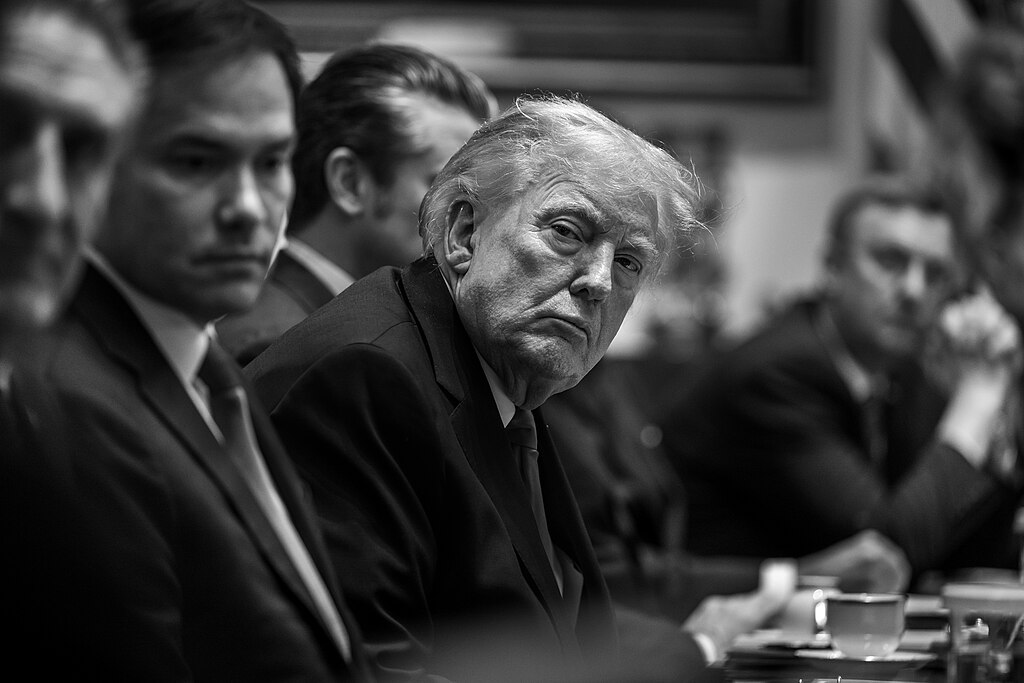
President Donald Trump, who survived two impeachment trials during his first term, has openly predicted Democrats will attempt to remove him again if they win back the House.
Speaking at a Republican gathering, Trump told supporters:
“I’ll get impeached.”
He also argued that Republicans chose not to pursue impeachment against former President Joe Biden, despite what he described as numerous grounds for doing so.
What Happens If Democrats Win the House?
Under the U.S. Constitution:
- The House of Representatives can pass articles of impeachment with a simple majority.
- The Senate must vote by a two-thirds majority to remove an official from office.
That means even if impeachment articles are introduced, removal would remain unlikely without bipartisan Senate support.
Still, impeachment proceedings can dominate news cycles, stall legislative priorities, and deepen political division — especially in a closely divided Congress.
Why This Matters to Conservative Voters
For many Americans who have watched decades of political conflict in Washington, impeachment fatigue is real.
Key concerns include:
- Stability of executive leadership
- Protection of constitutional checks and balances
- Avoiding political weaponization of federal agencies
- Maintaining national security and border enforcement priorities
Whether impeachment efforts gain traction may ultimately depend on voter turnout in the midterm elections.
One thing is certain: if control of Congress changes hands, Washington could face another constitutional showdown.
Final Takeaway
At this stage, impeachment talk remains speculative and politically driven. No formal proceedings are currently underway.
But with control of Congress at stake, the possibility alone is shaping campaign messaging, fundraising, and voter engagement nationwide.
The 2026 midterms may not just determine legislative priorities — they could determine whether impeachment once again becomes the central battle in Washington.