A fragile calm in the Middle East may have just come to an abrupt end.
Iran reportedly launched multiple waves of ballistic missiles toward Israel on Sunday, triggering air raid sirens across northern Israeli cities and raising fears that the region could once again be headed toward a major war.
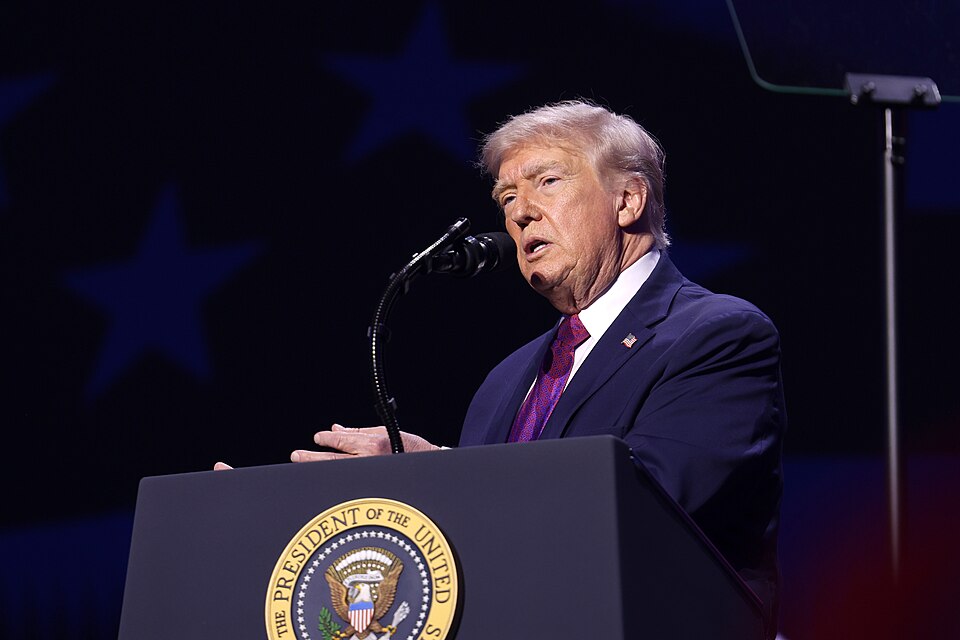
The missile attack comes at a critical moment for President Donald Trump, whose administration has spent months pushing diplomatic efforts aimed at reducing tensions between Iran and its neighbors.
Now, those efforts face a serious new test.
Iran Missile Attack Sparks Regional Alarm
Reports from Israel indicate that warning sirens sounded in several northern communities, including Haifa, after Iranian missiles were detected heading toward Israeli territory.
While initial reports did not immediately confirm widespread damage, the significance of the attack cannot be overstated.
This is believed to be Iran’s first direct missile strike against Israel since a ceasefire agreement took effect earlier this year.
Military analysts warn that any direct confrontation between Iran and Israel carries the potential to ignite a much broader regional conflict.
What Triggered The Latest Escalation?
The missile launches occurred only hours after Israeli forces reportedly carried out strikes against Hezbollah targets in Beirut, Lebanon.
Iran had publicly warned that attacks in the Lebanese capital would be viewed as a dangerous escalation.
For days, Iranian officials signaled that Israel could face consequences if military operations expanded deeper into Lebanon.
Sunday’s missile attack appears to be Tehran’s answer.
The development raises a critical question: Will Israel respond with force?
Will Israel Retaliate?
That question is now at the center of international concern.
Historically, Israeli leaders have responded aggressively when facing direct attacks from foreign adversaries. A military response could trigger additional strikes, creating a cycle of retaliation that quickly spreads across the region.
If that happens, the consequences could extend far beyond Israel and Iran.
Neighboring countries, terrorist organizations, and global powers could all find themselves drawn into an increasingly dangerous situation.
Why Americans Should Pay Attention
Events in the Middle East rarely stay confined to the region.
Escalating tensions can impact global oil supplies, energy prices, international shipping routes, and broader U.S. national security interests.
American consumers have seen before how instability in the Middle East can contribute to higher fuel prices and economic uncertainty.
For many Americans already struggling with inflation and rising living costs, another major conflict overseas could create additional pressure on household budgets.
A Major Test For Trump
The latest crisis also places President Trump in a difficult position.
His administration has repeatedly expressed optimism about diplomatic progress with Iran, with officials suggesting that negotiations were moving in a positive direction.
Those hopes now appear far less certain.
The coming days could determine whether diplomacy survives or whether military action becomes the dominant force shaping events in the region.
The Bottom Line
Iran’s missile attack against Israel represents one of the most serious developments in the Middle East in months.
Whether this becomes a short-lived confrontation or the beginning of a wider regional war will depend largely on what happens next.
For now, world leaders are watching closely, financial markets are paying attention, and millions of people across the region are bracing for Israel’s response.
The hope for peace remains alive—but the risk of a much larger conflict has suddenly become impossible to ignore.