Here’s what happened.
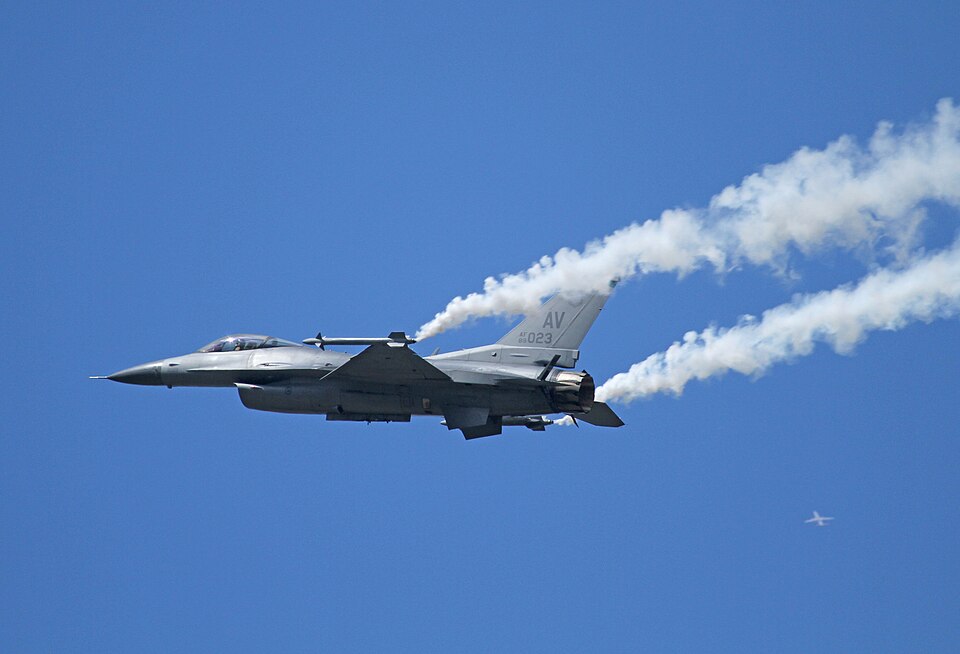
A U.S. Air Force F-16 fighter jet crashed Tuesday near Spangdahlem Air Base in Germany, destroying the aircraft and triggering a major emergency response at one of America’s key military installations in Europe.
The pilot successfully ejected before the crash and survived, according to officials. The pilot was injured and received medical treatment, but authorities had not immediately released additional details about the extent of those injuries.
The cause of the F-16 crash remains under investigation.
The incident is likely to draw renewed attention to U.S. military readiness, aircraft maintenance and the demanding conditions faced by American pilots stationed overseas.
F-16 Crashes Near Major U.S. Air Base
The fighter jet went down near Spangdahlem Air Base in Germany’s Rhineland-Palatinate region.
The aircraft was returning to the base as part of a training operation when the accident occurred.
Four military aircraft had reportedly been participating in the exercise. Following the crash, the remaining jets were diverted to Ramstein Air Base.
Emergency personnel quickly responded to the scene as smoke could be seen rising from the area.
Local witnesses reported hearing sirens as firefighters, police officers and military personnel moved to secure the crash site.
Pilot Ejects and Survives
The most important development following the accident was that the F-16 pilot was able to eject from the aircraft.
Ejection systems are designed to give military pilots a final chance to escape when an aircraft becomes impossible to control or safely land.
Although the pilot survived, officials confirmed that medical treatment was necessary following the incident.
Authorities have not publicly released the pilot’s identity.
Investigation Into F-16 Crash Begins
Military investigators will now work to determine exactly why the fighter jet crashed.
Possible areas of examination typically include aircraft maintenance records, mechanical systems, flight data, pilot communications, weather conditions and other operational factors.
Officials have not announced a cause, and there is currently no public evidence establishing whether the crash resulted from mechanical problems, human factors or another issue.
That investigation could take considerable time as specialists examine the damaged aircraft and available flight information.
Why Spangdahlem Air Base Matters
Spangdahlem Air Base is an important part of the U.S. military presence in Europe.
Located in western Germany near Luxembourg, the installation is home to the U.S. Air Force’s 52nd Fighter Wing.
American fighter aircraft stationed there regularly participate in training missions and operations supporting U.S. and NATO defense commitments.
Thousands of American military personnel, civilian employees and family members are connected to the installation.
The base’s location gives the United States an important strategic presence in Europe at a time when NATO security and military preparedness remain major international concerns.
Costly Loss for the U.S. Air Force
The destruction of any F-16 represents a significant loss of military equipment.
The F-16 Fighting Falcon has served as one of America’s most recognizable fighter aircraft for decades and remains an important part of U.S. air power.
Depending on the aircraft’s configuration, equipment and modernization package, replacing a modern fighter jet can represent a major expense for taxpayers.
However, the survival of the pilot prevented the incident from becoming an even greater tragedy.
Previous F-16 Accidents in Germany
Spangdahlem has experienced fighter jet accidents before.
In 2019, an F-16 assigned to the 52nd Fighter Wing crashed during a training mission near Zemmer, Germany. That pilot also successfully ejected.
Military aviation involves demanding training, high speeds and sophisticated equipment, meaning accidents can occur even during missions that are not connected to combat.
Each incident generally leads to a detailed investigation aimed at determining the cause and identifying whether additional safety measures are necessary.
Military Readiness Under the Spotlight
The latest crash comes as the United States continues maintaining a substantial military presence across Europe.
American forces stationed in Germany play an important role in training, logistics, deterrence and cooperation with NATO allies.
For many Americans, particularly those concerned about national defense and government spending, the loss of an expensive fighter aircraft is likely to raise questions about maintenance, readiness and how military resources are being managed.
Those questions cannot be fully answered until investigators determine what caused Tuesday’s accident.
What Happens Next
Military investigators are expected to examine the wreckage and review all available information from the flight.
Officials may eventually release a preliminary assessment, followed by more detailed findings once the investigation is complete.
Until then, speculation about the cause remains premature.
The central facts currently known are clear: a U.S. Air Force F-16 crashed near Spangdahlem Air Base, the aircraft was destroyed, the pilot successfully ejected and survived, and an investigation is underway.
The incident represents a costly setback for the U.S. military presence in Europe, but the successful ejection prevented the accident from resulting in the loss of an American pilot.