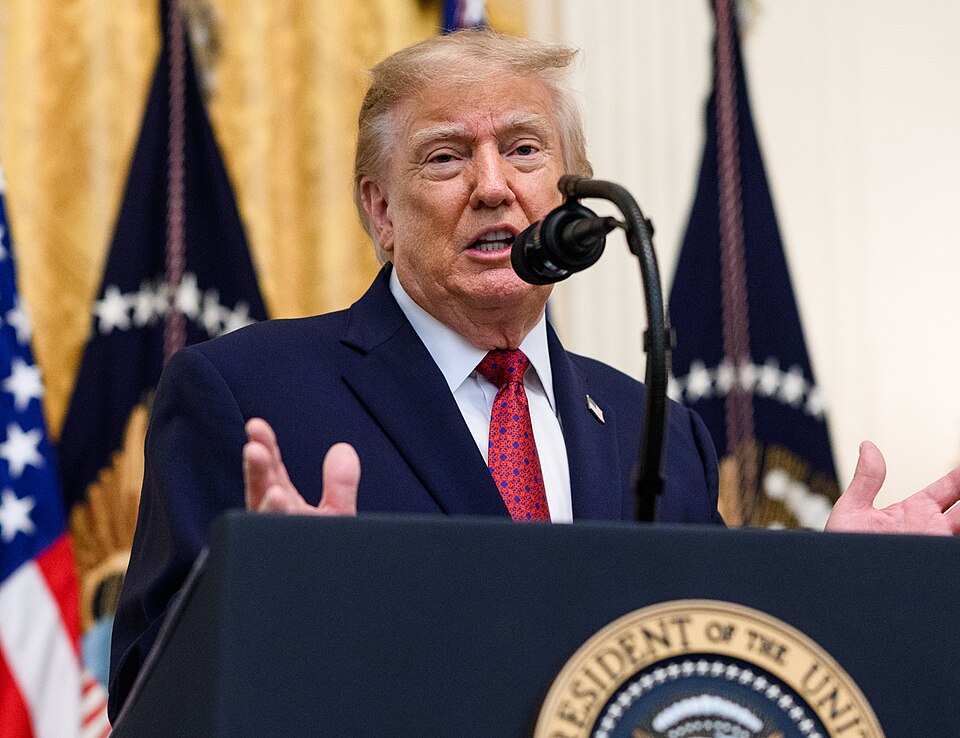
Trump sounded the alarm.
President Donald Trump’s administration is sounding the alarm over hundreds of millions of dollars in foreign funding flowing into American colleges and universities, raising fresh concerns about national security, foreign influence, and the protection of taxpayer-funded research.
A newly released federal review reveals that nearly $896 million in foreign gifts and contracts reported by American universities came from countries designated as nations of concern, including China, Russia, and North Korea.
The findings have prompted the Trump administration to call for increased oversight of foreign financial relationships at American institutions of higher education.
Federal officials are warning that colleges receiving billions in taxpayer support must take additional precautions to ensure sensitive American research does not become vulnerable to foreign exploitation.
The latest developments add to the administration’s broader effort to increase transparency and accountability across the nation’s higher education system.
Trump Administration Uncovers Nearly $900 Million In Concerning Funding
According to a November 17, 2026, letter issued by the Departments of Education and State, American universities disclosed approximately $9.07 billion in foreign gifts and contracts during the reporting periods ending January 31 and July 31, 2026.
Of that total, approximately $895.7 million originated from countries classified under federal law as countries of concern.
That represents nearly 10 percent of the foreign funding reported during those periods.
The countries identified in the federal warning include China, Russia, and North Korea, nations that have repeatedly drawn attention from American intelligence and national security officials.
The administration emphasized that foreign financial relationships require careful examination, particularly when they involve institutions conducting advanced scientific and technological research.
Although the funding disclosures do not automatically establish illegal activity, officials believe some relationships could expose American institutions to unnecessary security risks.
The concern is especially significant because university research often involves discoveries with applications in national defense, cybersecurity, artificial intelligence, and advanced technology.
Federal Officials Identify Another $67 Million In Questionable Connections
The nearly $900 million figure was not the only finding highlighted by federal officials.
The administration also identified approximately $67.4 million in reported foreign funding connected to organizations or individuals appearing on at least one of ten U.S. government watchlists.
These watchlists are maintained by federal agencies responsible for monitoring national security threats, sanctions, military connections, and other potentially concerning foreign activities.
The lists include entities associated with restricted technologies, foreign military organizations, and other security-related concerns.
A connection to a government watchlist does not necessarily mean a particular university violated federal law.
Nevertheless, the administration believes such financial arrangements deserve closer scrutiny, especially when American research institutions are receiving substantial federal assistance.
The findings have raised broader questions about whether university administrators are adequately monitoring the origins of foreign donations and research contracts.
American Taxpayers Have Billions At Stake
One of the most significant issues surrounding the administration’s warning involves taxpayer-funded research.
According to the federal letter, American universities receive approximately $65 billion in taxpayer-supported research and development funding.
That money helps finance scientific discoveries, medical advancements, engineering breakthroughs, and technologies that can strengthen America’s economy and national security.
Federal officials are concerned that inadequate oversight of foreign partnerships could place some of those investments at risk.
For taxpayers, the issue extends beyond university accounting practices.
When federal dollars help finance important discoveries, the government has an interest in ensuring that sensitive research and intellectual property are adequately protected.
The administration is urging universities to examine whether their financial relationships create opportunities for foreign organizations to gain inappropriate access to research.
Officials believe stronger internal safeguards can help preserve the benefits of international academic cooperation while reducing security vulnerabilities.
Trump Pushes Colleges To Reveal Foreign Financial Relationships
The latest warning follows President Trump’s continuing efforts to strengthen foreign funding disclosure requirements at American universities.
In April 2025, Trump signed an executive order aimed at increasing transparency surrounding foreign financial influence in higher education.
The directive called for stronger enforcement of existing federal reporting requirements and greater cooperation between government agencies responsible for reviewing foreign financial relationships.
Under Section 117 of the Higher Education Act, qualifying colleges and universities must disclose gifts and contracts from foreign sources when the total from a source reaches $250,000 or more during a calendar year.
These requirements are designed to help federal officials identify significant financial relationships between American educational institutions and foreign individuals, companies, or governments.
The law does not prohibit colleges from accepting foreign financial support.
Instead, it requires qualifying institutions to disclose covered transactions so federal officials and the public can better understand the sources of that funding.
The Trump administration argues that consistent enforcement is necessary to prevent gaps in reporting and strengthen public accountability.
Federal Security Reviews Lead To More Than 80 Terminated Relationships
Federal officials also highlighted the results of recent investigations into university research partnerships.
In August 2026, the Department of War directed 30 American academic institutions to review their financial, academic, and research relationships with foreign entities of concern.
By October, all 30 institutions had completed their initial security assessments.
Those reviews resulted in more than 80 terminations of concerning relationships involving foreign entities identified through federal security assessments.
Several universities also implemented additional safeguards intended to protect research programs and reduce potential security risks.
The administration praised institutions that responded quickly and encouraged other colleges to conduct similar reviews.
Officials believe these actions demonstrate that universities can identify and address potentially problematic relationships without abandoning legitimate international academic partnerships.
The findings also reinforce the administration’s position that research security requires continuous attention from university presidents, governing boards, and compliance officials.
China And Other Foreign Governments Remain Under Scrutiny
Concerns about foreign involvement in American research have grown as competition over advanced technologies becomes increasingly important to national security.
China has been a particular focus of federal scrutiny because of longstanding concerns about intellectual property theft, military-related research, and the potential transfer of sensitive technologies.
Russia and other countries of concern have also been subjects of American security investigations.
In its latest warning, the administration emphasized the importance of distinguishing legitimate international cooperation from financial relationships that may create unacceptable risks.
American universities routinely collaborate with foreign scientists and educational institutions.
These partnerships can produce valuable discoveries and strengthen scientific progress.
However, federal officials argue that universities must understand who their foreign partners are and whether those relationships could compromise research funded by American taxpayers.
The administration is encouraging institutions to examine publicly available government watchlists before entering or renewing certain financial and research arrangements.
Universities Warned To Strengthen Financial Oversight
The Departments of Education and State are now urging college presidents and governing boards to take a more active role in monitoring foreign financial activity.
Federal officials want institutions to regularly review their relationships with foreign organizations and ensure that relevant transactions are accurately reported.
Universities are also being encouraged to conduct independent audits, either internally or through outside specialists, when appropriate.
The administration stressed that research security should not be treated as a one-time compliance exercise.
Instead, officials want universities to maintain ongoing awareness of potentially concerning financial connections.
Failure to meet applicable disclosure obligations could lead to federal enforcement actions, while inadequate research safeguards could create additional concerns about future federal funding eligibility.
The message from Washington is that university administrators are expected to take responsibility for understanding the foreign entities with which their institutions conduct business.
What This Means For American Colleges And Families
The Trump administration’s warning places renewed attention on the relationship between higher education, foreign governments, and American taxpayers.
Colleges and universities play an important role in preparing future generations, developing new technologies, and advancing scientific research.
Many of those activities depend on public investment.
That makes transparency about foreign financial support an issue extending beyond university campuses.
Parents, students, and taxpayers have an interest in knowing whether institutions receiving federal assistance are following disclosure requirements and taking reasonable steps to protect sensitive information.
At the same time, the reported funding figures do not establish that all foreign gifts or contracts were improper.
The central issue is whether colleges have sufficient safeguards to identify higher-risk relationships and prevent inappropriate foreign access to important research.
Stronger oversight could help institutions maintain beneficial international partnerships while protecting American innovation.
Trump Administration Signals More Scrutiny Ahead
The November 17 warning suggests that foreign funding transparency will remain a significant priority for the Trump administration.
Federal officials are encouraging universities to conduct regular security assessments, maintain accurate financial disclosures, and carefully evaluate partnerships involving organizations appearing on government watchlists.
The administration has also made clear that protecting taxpayer-supported research is essential to maintaining America’s technological advantages.
With approximately $9.07 billion in reported foreign funding during the two most recent disclosure periods, including nearly $896 million connected to countries of concern, the financial stakes are substantial.
The administration’s latest action brings renewed attention to a question facing colleges and universities across the country: How can American institutions benefit from international research cooperation while ensuring that sensitive discoveries and taxpayer investments remain protected?
For now, the Trump administration is pushing university leaders to provide greater transparency, strengthen oversight, and take a more proactive role in protecting American research from potential foreign interference.