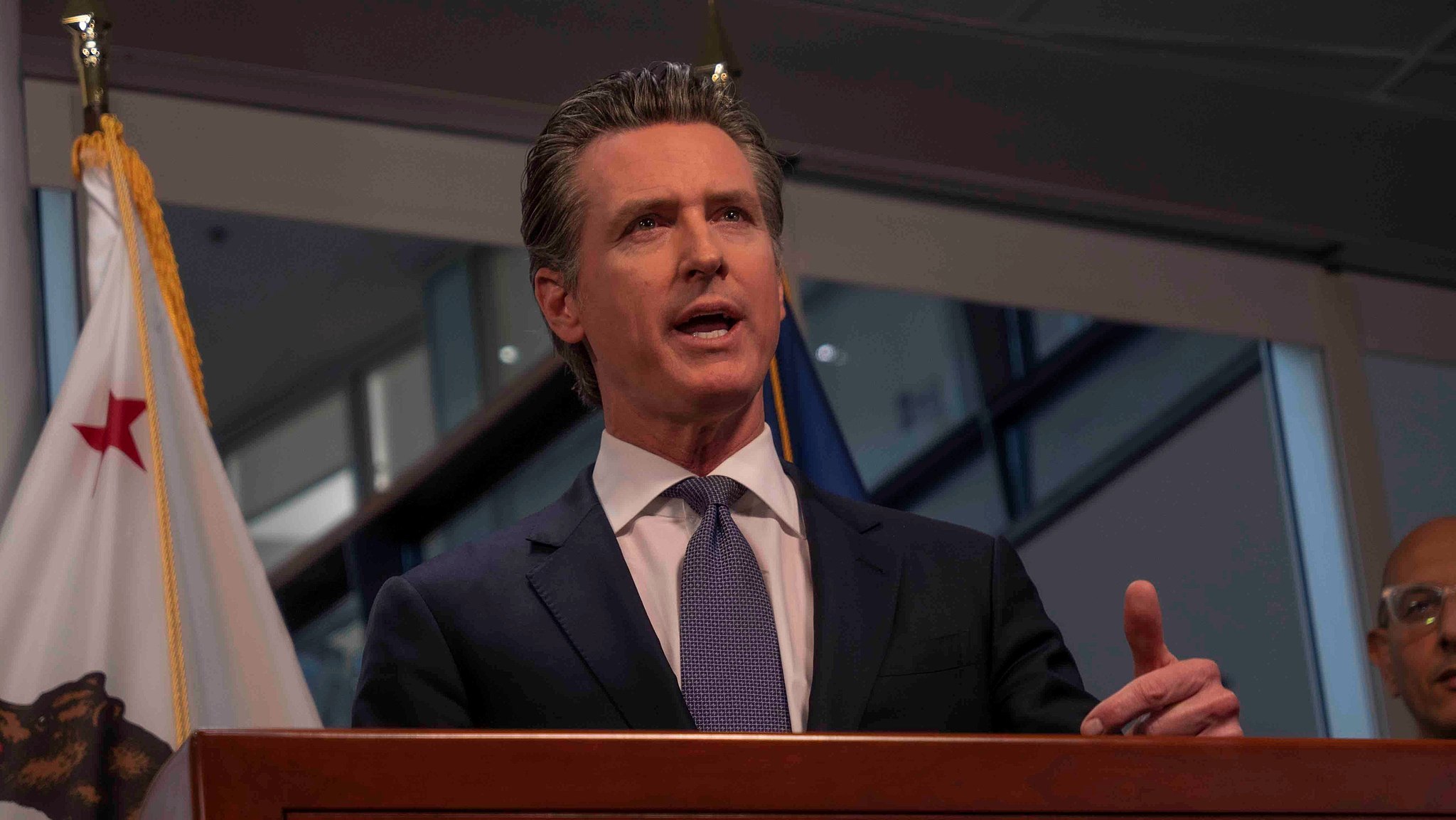
Newsom is such a terrible governor, Trump has to do his job for him.
As the devastating wildfires rage across Southern California, the Trump administration has taken decisive action to address one of the region’s long-standing challenges—water scarcity. On Friday, President Donald Trump ordered a significant release of water from federal dams, bypassing state authorities and stirring up controversy among local officials. The move was part of Trump’s ongoing effort to tackle California’s chronic water issues and hold state leaders accountable for their handling of natural disasters.
The president has been vocal in his criticism of Governor Gavin Newsom, accusing him of failing to properly manage the state’s resources, particularly in the face of the growing wildfire crisis. Trump, who has long been a critic of Newsom’s leadership, has also pointed to what he sees as ineffective water policies, claiming that the shortage of firefighting resources, like fire hydrants running dry, has exacerbated the crisis. Although state officials dispute these claims, the Trump administration has continued to push for sweeping changes to how water resources are managed in the state.
In response, Trump issued an executive order aimed at maximizing water deliveries throughout California, taking aim at state policies that he believes hinder progress. The U.S. Army Corps of Engineers was directed to release an additional 1.6 billion gallons of water from Terminus Dam and Schafer Dam, both located in California’s Central Valley. While the goal was to alleviate pressure on Southern California’s water supply, local officials expressed concern about the potential flooding risk. Water releases from these dams are typically coordinated to balance the needs of agriculture and flood control, and Trump’s directive bypassed this careful planning.
Despite the president’s claims that the water release could help contain the wildfires, experts have pointed out that the water would not directly benefit the affected areas in Southern California. The water released from these dams is flowing into agricultural lands in the Central Valley, far from the wildfire zones. Laura Ramos, a water expert at California State University, Fresno, explained, “If the purpose was to help with the fires in Southern California, we do not believe that it will, because that’s not where that water goes.”
Trump, however, remains steadfast in his belief that his actions are a critical step toward addressing the root causes of the state’s ongoing crisis. He took to Truth Social to call the water release a “long fought victory,” even suggesting that had his plan been implemented sooner, the wildfires could have been avoided altogether. His remarks highlight his continued frustration with the state’s handling of both water management and fire prevention.
This water release comes on the heels of Trump’s earlier claims that the U.S. military had been deployed to “turn on the water” from federal pumps in an effort to address the state’s water shortage. These claims were quickly debunked by state officials, who clarified that the military had not entered the state and that the federal pumps had merely been restarted after a brief maintenance shutdown. Despite this, Trump remains determined to push forward with his vision for a more proactive and less bureaucratically constrained approach to California’s water issues.
Senator Alex Padilla, a Democrat from California, criticized the uncoordinated release, expressing concern over the lack of proper notice to communities downstream. He argued that the move posed unnecessary risks to local residents, given that the sudden influx of water could cause flooding and disrupt agricultural operations.
In the face of continued wildfires and water challenges, President Trump’s administration is making bold moves, whether or not they align with California’s status quo. While some local officials may be concerned about the long-term impacts of these decisions, Trump’s unwavering commitment to addressing the state’s water issues remains clear. His leadership on this front could provide a blueprint for future federal action in tackling resource mismanagement and disaster preparedness. Whether or not his approach ultimately proves effective, it’s evident that Trump is positioning himself as a champion for long-needed change in California’s water policies.