President Donald Trump is once again signaling that the United States is prepared to use overwhelming force in the Middle East — while insisting that war is not his preferred outcome.
During remarks to reporters on Thursday, Trump confirmed that a massive U.S. naval force is moving toward Iran, describing it as a precautionary step meant to deter further aggression by the Islamic Republic.
“Maybe we won’t have to use it,” Trump said, noting that the U.S. has “a lot of ships” heading in Iran’s direction “just in case.”
Massive U.S. Naval Force Headed Toward Iran
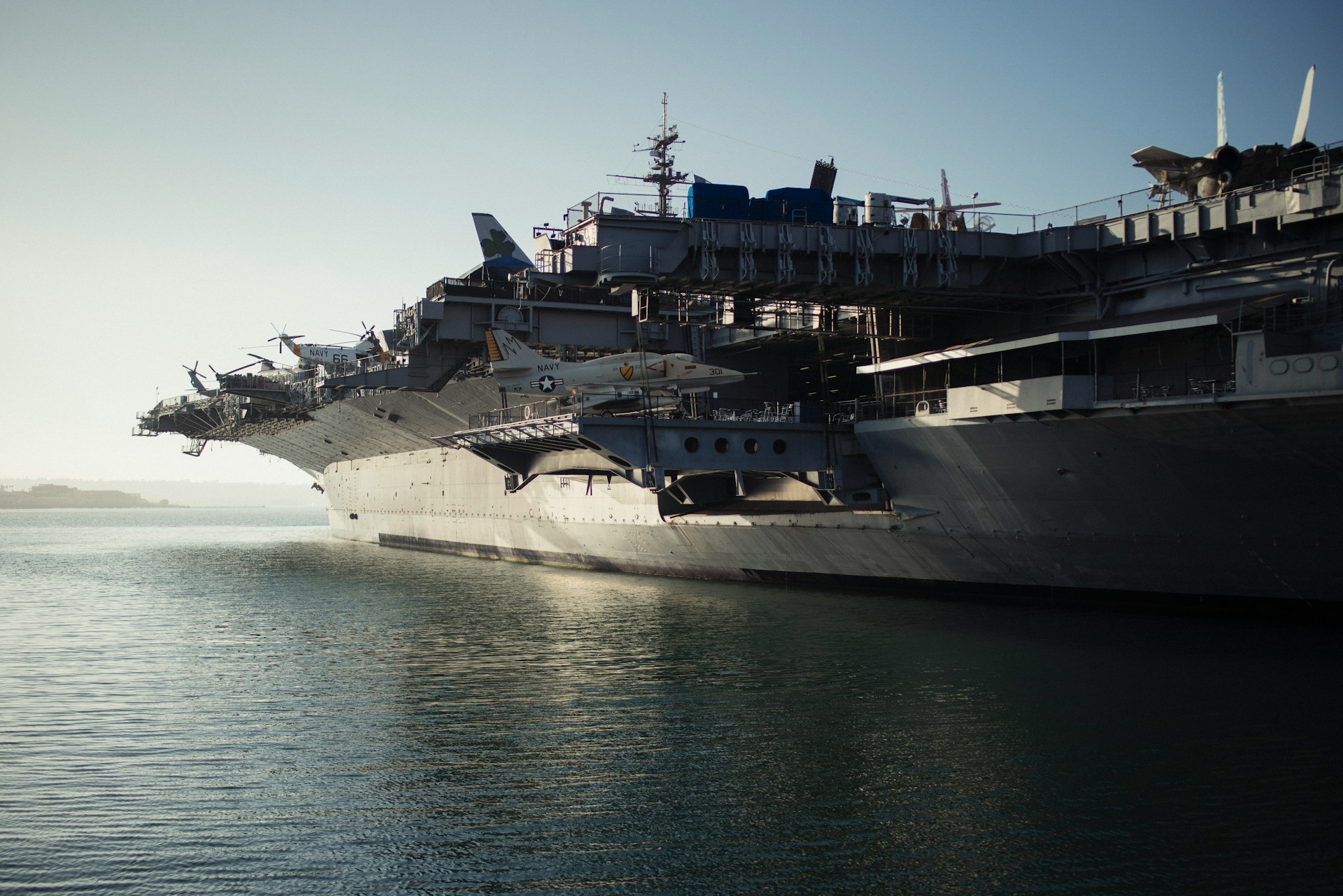
At the center of the deployment is the USS Abraham Lincoln carrier strike group, one of the most powerful naval formations in the world. The group represents more than 132,000 tons of U.S. Navy firepower and includes a nuclear-powered aircraft carrier and multiple guided-missile destroyers.
The carrier is capable of launching large-scale air operations and carries advanced aircraft such as F/A-18 Super Hornets, F-35 Lightning II stealth fighters, and electronic-warfare planes designed to disable enemy radar systems. Helicopters and tilt-rotor aircraft provide additional operational support.
Defense officials declined to provide specific movement details, citing national security concerns, but confirmed the force is moving toward the Persian Gulf region.
Iran Crackdown Raises International Alarm
The naval buildup follows growing concern over Iran’s internal unrest. Anti-regime demonstrations have spread across the country as citizens protest economic hardship and authoritarian rule.
According to statements cited by international observers, a United Nations human rights expert has claimed that tens of thousands of Iranian protesters may have been killed during recent crackdowns. Graphic images circulating online have intensified global scrutiny of Tehran’s actions.
Trump said his warnings to Iranian leadership had an immediate effect.
“I stopped 837 hangings,” the president claimed, describing the situation as barbaric and unacceptable in the modern world. Trump said Iranian officials abruptly canceled the executions after being warned of severe consequences.
“They didn’t postpone it — they canceled it,” Trump said, calling the move a positive sign, while emphasizing that the U.S. remains on high alert.
Trump Issues Stark Warning to Tehran
The president said he delivered a direct message to Iranian leaders, warning that any mass executions or further violence would trigger a response far more severe than past confrontations over Iran’s nuclear program.
Trump stressed that while he prefers peace, the United States is prepared to act decisively if American interests or innocent lives are threatened.
“We’re watching them very closely,” he said.
Broader Military and Economic Pressure
The naval deployment comes as the U.S. also repositions other carrier groups globally, underscoring a broader strategy of deterrence. Another U.S. aircraft carrier recently departed the East Coast for exercises overseas, highlighting America’s continued military readiness.
Trump also announced plans to impose a 25% tariff on countries that continue doing business with Iran, including major economic partners. The move is intended to increase economic pressure on Tehran without immediate military action.
The president further criticized Iran’s leadership, placing blame for the country’s instability and violence squarely on the ruling regime, while still leaving the door open for negotiations.
“Iran does want to talk, and we’ll talk,” Trump said during remarks at an international economic forum, emphasizing that diplomacy would occur only from a position of strength.
What Happens Next?
While Trump made clear that he hopes military force won’t be necessary, the scale of the U.S. naval deployment sends an unmistakable message. The situation remains fluid, and global attention is now focused on whether Iran chooses confrontation — or talks.
For now, the United States appears prepared for either outcome.