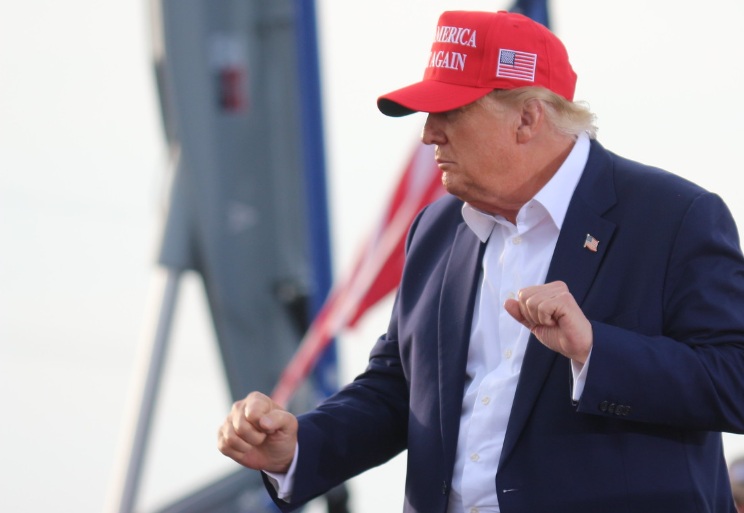
Is President Trump’s tough-on-trade strategy backfiring on working Americans?
That’s the concern raised by Kentucky Governor Andy Beshear (D), who blasted the latest wave of tariffs as “economic chaos” with real consequences for small businesses and middle-class families.
Kentucky Sounds the Alarm: ‘This Isn’t What Voters Signed Up For’
Speaking on NBC’s Meet the Press, Beshear questioned whether Trump supporters in his state had truly backed a tariff policy that seems to shift week to week.
“We’ve gone from blanket tariffs to selective tariffs, to punishing countries based on political disagreements,” Beshear said. “That’s not economic policy—it’s chaos.”
For many in Kentucky and across the Midwest, Trump’s 2024 campaign promised relief from skyrocketing costs. But critics argue the current trade strategy could lead to price hikes on everyday goods, particularly those involving imported materials assembled in the U.S.
Small Businesses Hit Hard: ‘These Layoffs Are Personal’
Beshear painted a grim picture of what’s happening behind the scenes in small towns—where family-owned businesses are struggling to stay afloat.
“When a business in Kentucky lays someone off, it’s not just an employee—it’s a church friend, a soccer coach, a neighbor,” he said. “These tariffs are driving up costs and forcing painful decisions.”
High raw material prices, a direct result of Trump’s new tariffs, are putting intense pressure on industries that rely on global supply chains but manufacture locally.
Tariff Timeline: What You Need to Know
- April 2: Trump announced sweeping “reciprocal” tariffs based on trade deficits
- Markets reacted negatively, prompting a 90-day reduction to 10%
- Now: Trump has notified dozens of countries that new tariffs will hit August 1
While the White House has suggested there’s still room to negotiate, many trade partners have already received final notices. Businesses are bracing for impact.
Trump’s Economic Legacy at Stake
Supporters of the plan call it a bold correction to decades of unfair trade, where foreign nations exploited American generosity. But detractors warn the current approach could spark a middle-class squeeze, with higher grocery prices, rising manufacturing costs, and potential job losses.
“Trump said he’d fight for the forgotten man,” Beshear said. “But this policy might be hurting the very people who believed in him the most.”
Is America Ready for Round Two of the Trade War?
With the new tariffs just weeks away, small towns across America could soon feel the real cost of this economic gamble. Will President Trump’s aggressive trade strategy pay off—or leave everyday Americans paying more?