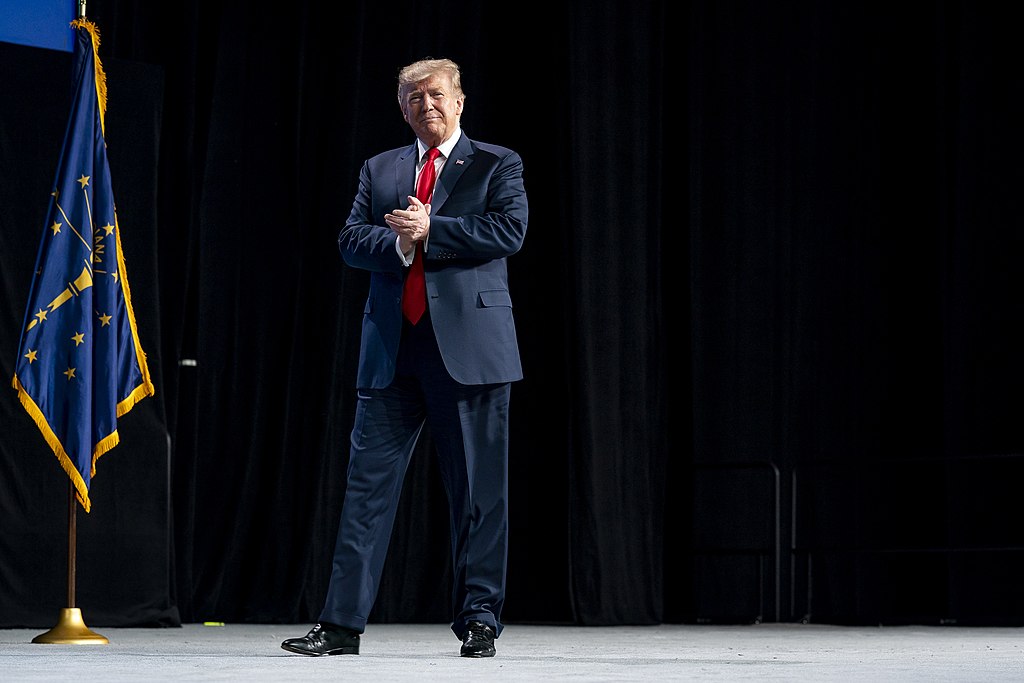
Here’s what Trump had to say.
President Donald Trump is addressing a recent private dinner at the White House with comedian and HBO host Bill Maher, describing the encounter as “a complete waste of time” after Maher’s subsequent remarks on his television program.
The remarks, posted to Truth Social, quickly reignited debate about media bias, late-night television, and how President Trump is portrayed by Hollywood figures.
For many Americans watching closely, the exchange highlights a familiar question: Can political opponents truly have a fair conversation — or does the media always return to criticism?
How the White House Dinner Happened
According to President Trump, the 2025 dinner occurred at Maher’s request through a mutual contact. Trump agreed to the meeting in what he described as a gesture of openness.
In his message, the president wrote that Maher seemed uneasy when he stepped into the Oval Office and quickly asked for a drink. Trump said Maher admitted he was “actually scared,” calling the exchange an unexpectedly honest moment.
Despite that initial tension, Trump characterized the dinner as respectful, brief, and cordial.
A Temporary Shift in Tone?
Following the dinner, Maher’s program on HBO initially appeared more measured, according to Trump.
However, the president claims that tone quickly changed.
Trump said Maher’s show soon returned to what he described as routine anti-Trump commentary — without acknowledging what the administration considers major accomplishments.
Among the achievements Trump highlighted:
- Stronger border enforcement policies
- Declining crime rates
- Major stock market milestones
- Lower inflation trends
- Military rebuilding efforts
- High-profile foreign policy victories
For supporters, these accomplishments represent measurable progress. For critics, they remain points of debate.
Media Bias and Late-Night Television
President Trump also criticized what he described as “Fake News” narratives and suggested that declining late-night television ratings limit the broader influence of political comedy.
He dismissed Maher as overrated and cautioned Republicans not to interpret the dinner as a sign of political alignment.
The president further referenced a past joking comment about Canada and professional hockey — saying Maher treated it seriously rather than as humor. Trump cited that exchange as another example of what he frequently calls “Trump Derangement Syndrome.”
Maher’s Response
Maher has defended his decision to attend the White House dinner, saying he believes in dialogue across political divides — even while maintaining his criticism of the president.
In interviews and public statements, Maher suggested that Trump’s private demeanor differed from his public persona — a claim that has fueled further discussion in political and media circles.
The Bigger Picture
The dinner — and the fallout that followed — underscores the ongoing divide between President Trump and much of the entertainment industry.
For many conservative voters, particularly those who have watched political coverage evolve over decades, the episode reinforces concerns about how legacy media and Hollywood figures frame Republican leadership.
Whether one views the dinner as an olive branch or a political misstep, one thing is clear: in today’s climate, even a private White House meal can become a national headline.
And as the 2026 political landscape continues to take shape, the tension between President Trump and high-profile media personalities shows no sign of cooling down.