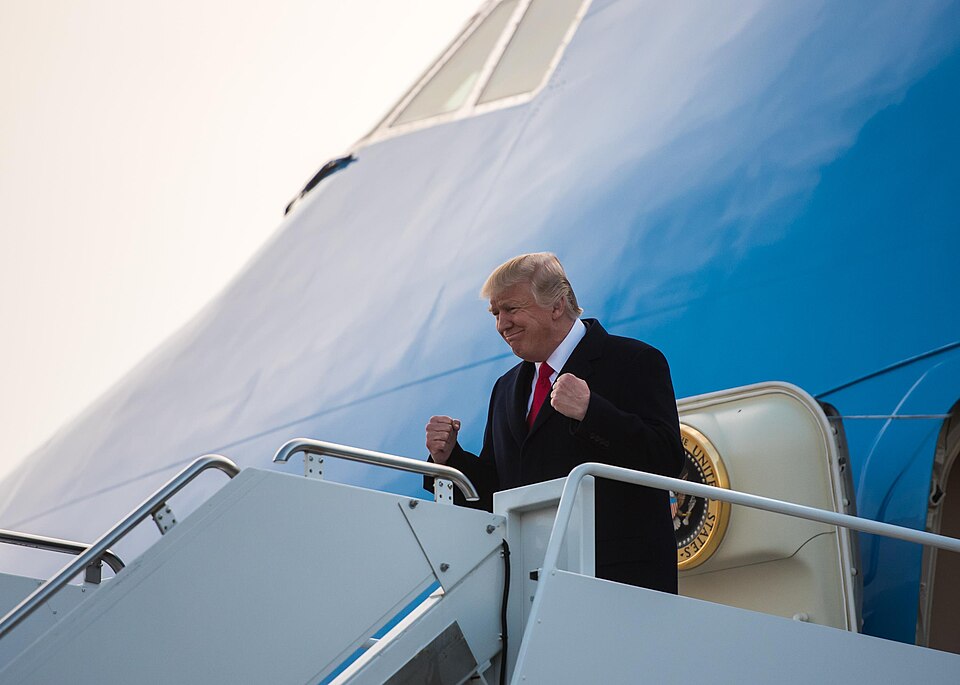
President Donald Trump delivered a memorable warning to reporters aboard Air Force One on Wednesday as tensions between the United States and Iran continued to rise following new U.S. military strikes.
Speaking to journalists after departing the NATO summit in Turkey, Trump was asked whether he was worried that Iran could attempt to target the presidential aircraft.
The president replied that threats against him are nothing new.
“I’m No. 1 on their list, before you,” Trump said. “But if I go, you go. So, perhaps—perhaps some of you want to change professions.”
The exchange quickly gained attention as security concerns continue to grow amid the escalating conflict between the United States and Iran.
Trump Returns On Older Air Force One
Trump also made headlines by returning to the United States aboard the older Air Force One rather than the newer aircraft recently added to the presidential fleet.
The decision came after heightened concerns over potential Iranian retaliation following American military operations in the Middle East.
While administration officials have stressed that every presidential aircraft is equipped with advanced security measures, the change in travel plans fueled additional questions from reporters.
U.S. Launches New Military Strikes
The latest military operation followed attacks on commercial oil tankers traveling through the Strait of Hormuz, one of the world’s most important shipping lanes for global energy supplies.
Before the operation began, Trump indicated the United States was prepared to respond forcefully.
“We’re going to hit them hard tonight,” the president told reporters.
According to U.S. Central Command, the strikes were designed to reduce Iran’s ability to threaten international shipping while protecting freedom of navigation through the strategic waterway.
Military officials said the operation was intended to hold Iran accountable for attacks on commercial vessels and civilian crews operating in the region.
Iran Fires Back With Strong Warning
Iranian officials responded with sharp rhetoric after the American strikes.
Ebrahim Rezaei, a spokesperson for Iran’s Parliament on national security and foreign policy, warned that countries supporting the United States should also prepare for possible consequences.
He added that Iran has “no red lines” when defending what it considers its national security, signaling that Tehran may be willing to escalate the conflict if military operations continue.
The statement underscored the increasingly tense relationship between Washington and Tehran as both sides exchange military and political warnings.
Ceasefire Appears To Be Over
The latest confrontation comes after both countries accused one another of violating a 60-day ceasefire established under a memorandum of understanding signed last month.
President Trump told reporters Wednesday that he believes the ceasefire is effectively “over,” raising concerns that additional military action could follow.
The renewed fighting has also rattled global energy markets.
Oil prices moved higher as investors monitored developments surrounding the Strait of Hormuz, a vital shipping route that carries a significant share of the world’s oil exports. Any prolonged disruption could affect energy costs and fuel prices worldwide.
What Happens Next?
The Trump administration now faces the difficult task of responding to Iranian aggression while preventing the conflict from expanding into a broader regional war.
Military officials continue monitoring the situation, and additional U.S. responses remain possible if attacks on American interests or international shipping continue.
For now, Trump’s exchange with reporters aboard Air Force One offered a rare glimpse into the security threats facing a sitting president during one of the most volatile periods in the Middle East in recent years.