Well would you look at this.
California is once again at the center of a growing debate over how taxpayer-funded food assistance is being spent.
Republican lawmakers say hundreds of millions of dollars in Supplemental Nutrition Assistance Program (SNAP) benefits have been used at fast-food restaurants, prompting calls for the Trump administration to review the program and determine whether stricter safeguards are needed. Critics argue the system has drifted away from its original purpose of providing nutritious food assistance to vulnerable Americans.
California Accounts for the Largest Share
According to estimates cited by a group of Republican lawmakers, major fast-food chains received at least $524 million in SNAP-funded purchases through the Restaurant Meals Program (RMP) over the past three years.
The Restaurant Meals Program allows certain eligible SNAP recipients—including elderly, disabled, and homeless individuals who may not have access to a kitchen—to purchase prepared meals at approved restaurants rather than buying groceries to cook at home.
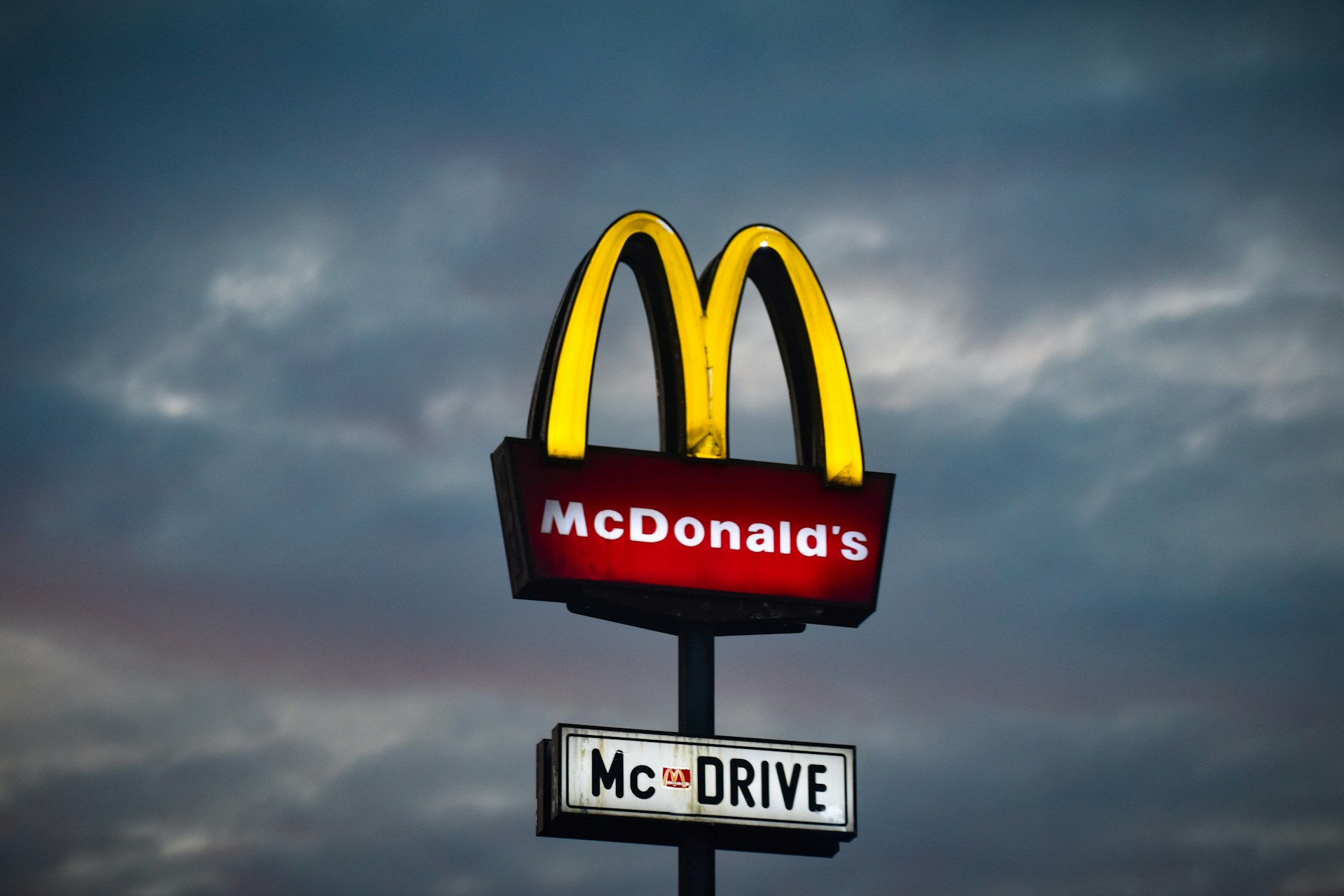
Participating restaurants include well-known national chains such as McDonald’s, Burger King, Subway, Wendy’s, KFC, and Dairy Queen.
Lawmakers estimate that California accounted for approximately $475 million of the restaurant-related SNAP spending between June 2023 and May 2025, making it the highest-spending state by a wide margin. Arizona followed with roughly $41.4 million, while New York recorded about $3.6 million during the same period.
Republicans Push for SNAP Reform
Sen. Joni Ernst (R-Iowa) is leading a coalition of Republican lawmakers calling on Health and Human Services Secretary Robert F. Kennedy Jr. and Agriculture Secretary Brooke Rollins to examine whether the Restaurant Meals Program should be tightened.
Speaking about the proposal, Ernst argued that SNAP was created to help struggling families access nutritious food, but said loopholes have allowed more than half a billion taxpayer dollars to be spent on fast-food meals like burgers and fries.
She added that she is working with the Trump administration to encourage healthier food choices through the federal nutrition program.
“The ‘N’ in SNAP stands for ‘nutrition,’ after all—not nuggets,” Ernst said.
Lawmakers Say the Program Has Expanded Beyond Its Original Mission
In a letter sent Thursday to federal officials, the lawmakers argued that the Restaurant Meals Program was originally designed as a limited accommodation for people who cannot safely store or prepare food.
They contend the program has expanded significantly and is now dominated by large national fast-food chains rather than serving its original narrow purpose.
The lawmakers also pointed to the Trump administration’s Make America Healthy Again initiative, arguing that reviewing the Restaurant Meals Program would align with broader efforts to reduce diet-related chronic illnesses and encourage healthier eating habits.
Nine States Currently Participate
The Restaurant Meals Program is currently available in nine states:
- California
- Arizona
- New York
- Illinois
- Maryland
- Massachusetts
- Michigan
- Rhode Island
- Virginia
The size of the program has changed considerably over the years. According to the lawmakers, 19 states participated in 2003 before the number dropped to just four states by 2018.
That trend reversed in 2019 when California expanded restaurant eligibility statewide, allowing more than 5,800 restaurants to accept SNAP benefits. Since then, additional states have moved toward joining the program, with Colorado and Oregon taking steps to participate.
Why the Restaurant Meals Program Exists
The Restaurant Meals Program traces its origins to the Food and Agriculture Act of 1977, which created an exception allowing qualified SNAP recipients without reliable cooking or food storage facilities to purchase prepared meals.
Supporters argue the program provides an essential service for seniors, disabled Americans, and homeless individuals who may have few other food options.
Critics, however, believe taxpayer-funded nutrition assistance should place a greater emphasis on healthier food choices and question whether large fast-food chains should receive hundreds of millions of dollars through the program.
Trump Administration Faces Pressure to Review SNAP Spending
Joining Ernst in signing the letter were Republican Reps. Ben Cline (Va.), Beth Van Duyne (Texas), Randy Fine (Fla.), Brandon Gill (Texas), Daniel Webster (Fla.), Michael Cloud (Texas), and Mike Kennedy (Utah).
A spokesperson for the U.S. Department of Agriculture said the agency is “firmly committed to conducting rigorous integrity reviews across all USDA programs that serve our Nation’s most vulnerable individuals.”
As the Trump administration continues reviewing federal spending and promoting its Make America Healthy Again agenda, the future of the Restaurant Meals Program could receive increased scrutiny. Any changes would likely spark continued debate over how taxpayer-funded nutrition assistance should balance accessibility, accountability, and healthy food choices.