Peace through strength.
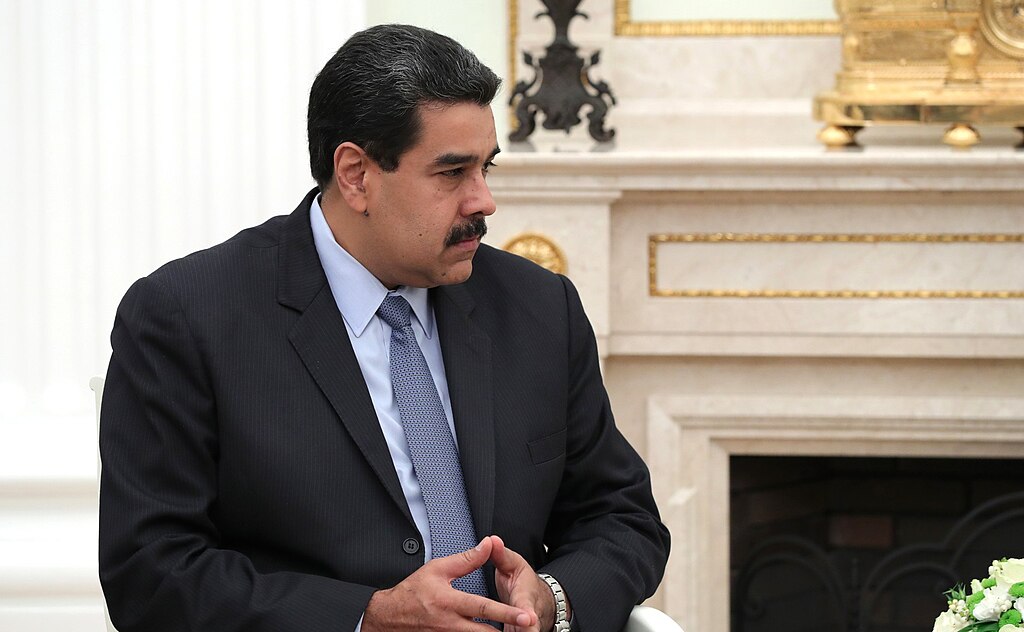
President Donald Trump signaled this weekend that his administration may soon begin direct discussions with Venezuelan strongman Nicolás Maduro — an unexpected development that is already reshaping global headlines and exposing just how ineffective Democrat-led foreign policy has been for years.
Speaking to reporters Sunday, Trump said Maduro’s regime “would like to talk,” suggesting that even one of the world’s most hostile socialist leaders recognizes the strength and stability the United States projects when Trump is in charge. The comment comes at a time when national security, border security, and America’s international standing remain top priorities for millions of concerned Americans.
A Region on Edge — and Trump Takes the Initiative
Tensions in the Caribbean have escalated in recent months as the United States expanded its military presence to counter narcoterrorism operations threatening American communities. Under Trump’s direction, U.S. Southern Command has conducted over 20 precision strikes on suspected drug-smuggling vessels across the Caribbean and eastern Pacific since early September.
These operations have already resulted in 83 cartel-linked deaths, removing dangerous traffickers before their products could reach U.S. streets — a major victory for law enforcement, national security, and America’s families.
Maduro, facing international isolation, collapsing infrastructure, and economic freefall, has appealed directly to Trump for “peace.” Yet the authoritarian leader continues to deny his well-documented involvement in narcoterrorism and corruption, despite being wanted by U.S. authorities.
Trump Applies Pressure — and the World Takes Notice
The State Department announced Sunday that it will officially label the Venezuela-based Cartel de los Soles as a foreign terrorist organization. U.S. officials say the cartel has corrupted the country’s military, intelligence agencies, and judiciary — allegations the Maduro regime denies despite overwhelming evidence.
When asked if the new designation allows the U.S. to strike targets connected to Maduro’s operations inside Venezuela, Trump said the option is now available, though no final decision has been made.
This follows the administration’s earlier decision to double the reward for information leading to Maduro’s capture to $50 million, signaling an aggressive crackdown on international narcoterrorist networks.
Massive U.S. Military Power Moves Into Position
The U.S. Navy confirmed that the USS Gerald R. Ford, the nation’s largest and most advanced aircraft carrier, has entered the Caribbean with multiple warships, additional fighter aircraft, and thousands of service members. The move sends a clear message: under President Trump, America does not wait for threats to reach its borders.
Despite this overwhelming force, Trump emphasized that a large-scale invasion would conflict with his America First doctrine. Instead, he has focused on targeted operations, alliances with regional partners, and strategic pressure that keeps American service members safe while protecting U.S. interests.
Joint Military Drills Intensify
In recent days, the United States has expanded joint military exercises with Trinidad and Tobago. Officials there confirmed that U.S. Marines will increase their presence and training missions — drills Maduro called “irresponsible,” even as his own regime continues to destabilize the region.
The State Department reaffirmed Sunday that America will “use all available tools” to protect national security, disrupt drug cartels, and defend American communities.
Bottom Line: Trump Leads Through Strength — and It Works
While Democrats in Washington continue to preach diplomacy without leverage, President Trump is once again demonstrating that peace is achieved only through strength. Even Maduro — a socialist dictator who spent years denouncing the United States — now appears willing to come to the table.
This is the Trump doctrine at work: firm leadership, clear resolve, and putting America’s safety first.