Here’s what was explained.
The Trump administration is raising new concerns about America’s aging computer infrastructure after a wave of technology failures disrupted airlines, major banks, and essential services across the country.
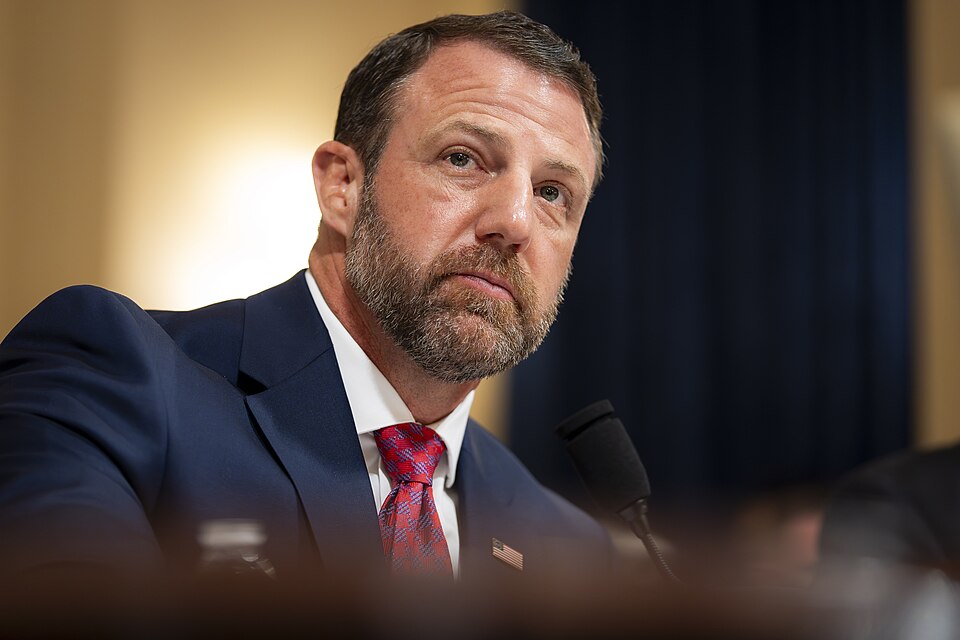
Homeland Security Secretary Markwayne Mullin has suggested that rapidly advancing artificial intelligence technology could be contributing to the problems, potentially overwhelming older computer systems that were never designed to handle today’s increasingly sophisticated software.
The warning follows several major disruptions that left airline passengers stranded, banking customers unable to access their accounts, and federal officials searching for answers.
However, the administration has also emphasized that investigators have found no evidence connecting the incidents to a coordinated cyberattack.
Now, attention is turning toward a troubling possibility: America’s critical technology systems may be struggling to keep pace with modern demands.
Trump Official Points to Possible Cause of Nationwide Technology Problems
During a Monday night appearance on Fox News with Sean Hannity, Mullin addressed the growing concerns surrounding recent computer failures.
The Homeland Security secretary explained that he had spoken with an individual knowledgeable about the technology industry who raised questions about the role artificial intelligence might be playing.
According to Mullin, the rapid advancement of AI technology could be introducing unexpected complications into older computer networks.
He discussed the concept of “super intelligence,” sometimes referred to as SI, and suggested that increasingly sophisticated systems may be creating challenges for existing infrastructure.
The concern centers on whether newer software can operate reliably when connected to technology developed years or even decades earlier.
When advanced applications are introduced into outdated systems, compatibility problems, processing limitations, and unexpected technical failures can occur.
Still, Mullin acknowledged that the artificial intelligence explanation remains a theory.
No official investigation has established that AI caused the recent outages, and several affected companies have identified more conventional technical problems.
FAA Outage Causes Widespread Airline Disruptions
One of the most serious incidents occurred Friday, November 13, when the Federal Aviation Administration ordered a nationwide ground stop following a major communications failure.
The emergency measure temporarily prevented aircraft from departing airports across the United States.
The nearly five-hour shutdown created widespread travel disruptions, forcing airlines to cancel flights and leaving passengers facing lengthy delays.
More than 18,000 flights were canceled over three days as airlines struggled to recover from the disruption.
For travelers who depend on reliable air transportation, the incident raised concerns about the condition of the nation’s aviation infrastructure.
The FAA relies on complicated communications networks to coordinate aircraft movements and maintain safe operations.
When those networks malfunction, the consequences can extend throughout the entire aviation system.
Transportation Secretary Sean Duffy has acknowledged the seriousness of the incident while federal officials continue examining the underlying technical problems.
The disruption also renewed attention on the Trump administration’s efforts to modernize the country’s air traffic control system.
Major Banks and United Airlines Experience Additional Outages
The aviation emergency was followed by other significant technology disruptions.
On Monday, November 16, United Airlines experienced a separate computer outage that temporarily interfered with departing flights.
The airline reported that the problem affected its operations for approximately 90 minutes before service was restored.
Meanwhile, banking customers encountered difficulties accessing financial services.
JPMorgan Chase experienced a technical problem affecting online and mobile banking, with customers reporting difficulties accessing accounts and completing transactions.
Customers at other major financial institutions, including Bank of America, Wells Fargo, and U.S. Bank, also reported service disruptions.
Some problems involved electronic transfers and payments connected to Chase.
The interruptions were particularly concerning for customers who depend on digital banking to manage household expenses, retirement funds, and everyday purchases.
Microsoft also experienced service problems affecting popular online platforms, including business communication tools.
Although the timing of the incidents raised questions, investigators have not established that the outages shared a common cause.
Homeland Security Addresses Fears of a Cyberattack
With so many important systems experiencing failures within days of one another, concerns emerged about whether hackers or hostile foreign governments could be responsible.
Mullin addressed those fears directly.
During his television appearance, the Homeland Security secretary said federal cybersecurity officials had not found evidence indicating that the recent disruptions were part of a coordinated cyberattack.
He expressed strong confidence that malicious cyber activity was not responsible for the incidents.
That assessment is significant because America’s financial institutions, transportation networks, and communications systems represent essential components of national security.
A deliberate attack against those networks could have consequences for businesses, government operations, and millions of ordinary Americans.
However, officials have indicated that the recent problems appear to involve separate technical failures.
The administration’s position is that Americans should not automatically interpret every major computer outage as evidence of foreign interference.
At the same time, the incidents demonstrate why maintaining secure and dependable infrastructure remains a critical national priority.
Aging Computer Systems Could Be the Bigger Problem
During a Tuesday appearance on CNBC, Mullin offered additional insight into the administration’s concerns.
He explained that companies and government agencies are introducing new technology into computer systems that may be too old to accommodate it effectively.
That combination, he suggested, can overwhelm existing infrastructure and produce unexpected disruptions.
The explanation highlights a long-standing challenge facing both the public and private sectors.
Many essential American services still depend on computer systems that were developed years ago.
Although those systems have been upgraded over time, replacing their underlying infrastructure can require substantial financial investments and complicated technical work.
Financial institutions must protect customer information while processing enormous numbers of transactions.
Airlines must coordinate reservations, aircraft movements, maintenance schedules, and flight operations.
Government agencies must maintain reliable communications while incorporating new cybersecurity protections and software improvements.
Each upgrade introduces new requirements, making careful testing and modernization increasingly important.
When older equipment cannot handle those demands, service interruptions may become more likely.
The recent outages have therefore brought renewed attention to the need for dependable infrastructure rather than simply introducing new technology as quickly as possible.
Artificial Intelligence Raises New Questions About Reliability
Artificial intelligence has become one of the fastest-growing areas of American technological development.
Businesses are incorporating AI into customer service, financial analysis, cybersecurity, logistics, and other important operations.
Supporters argue that the technology can improve productivity, reduce costs, and help American companies compete internationally.
However, the rapid expansion of artificial intelligence also creates new responsibilities.
Advanced software must be properly tested before being introduced into systems responsible for essential services.
Companies must ensure that automated programs operate within established safeguards and do not interfere with critical operations.
In addition, technology providers must maintain adequate backup systems and recovery procedures when unexpected problems occur.
These concerns are not limited to artificial intelligence.
Traditional software bugs, equipment failures, and poorly managed updates can also produce widespread disruptions.
Microsoft, for example, has attributed its recent service problems to technical issues rather than an AI-related attack.
Likewise, the recent FAA disruption has not been officially attributed to artificial intelligence.
Nevertheless, Mullin’s comments have opened a broader discussion about whether America’s technological infrastructure is prepared for increasingly complex systems.
What the Outages Mean for American Families and Retirees
For millions of Americans, the consequences of major technology failures extend far beyond temporary inconvenience.
Older Americans, retirees, and families living on fixed incomes often rely on dependable banking systems to manage monthly expenses.
Online accounts provide access to retirement savings, pension deposits, bill payments, and everyday financial transactions.
When those services become temporarily unavailable, customers may have difficulty verifying balances or completing time-sensitive payments.
Airline disruptions can create similar problems.
Travelers may face missed connections, unexpected hotel expenses, and difficulty reaching family members or important appointments.
Businesses also depend on reliable transportation, communications, and payment systems to serve customers and maintain normal operations.
The latest incidents demonstrate how deeply technology has become integrated into American life.
They also underscore the importance of maintaining alternative payment methods, keeping essential financial records accessible, and preparing for temporary disruptions.
While officials have not identified a coordinated threat behind the outages, the problems highlight vulnerabilities that deserve attention.
Trump Administration Focuses on Protecting Critical Infrastructure
President Donald Trump’s administration now faces renewed questions about how quickly the United States can modernize essential computer networks.
The aviation shutdown, banking difficulties, and other technology problems have demonstrated the consequences of relying on complicated systems that may be vulnerable to unexpected failures.
Mullin’s comments suggest that federal officials are examining whether the introduction of newer technologies into aging infrastructure could be contributing to those disruptions.
The administration has also sought to reassure Americans that federal cybersecurity authorities remain vigilant.
For policymakers, the challenge involves more than identifying the cause of a single outage.
It requires determining how government agencies and private companies can improve the reliability of technology that millions of Americans use every day.
That could include replacing outdated equipment, strengthening backup communications, improving software testing, and ensuring that essential services can continue operating during emergencies.
Such improvements can require significant investments, but repeated failures also carry economic costs.
The recent disruptions have brought those competing concerns into sharper focus.
Americans Await Answers About Recent Outages
The wave of computer problems has left Americans with understandable questions about the reliability of the systems they depend on.
Although Homeland Security officials have expressed confidence that the incidents were not caused by coordinated cyberattacks, the precise causes of some disruptions remain under investigation.
Mullin has raised the possibility that emerging artificial intelligence technology could be contributing to compatibility problems involving older infrastructure.
However, that explanation has not been established as the cause of the recent incidents.
What is increasingly clear is that America’s transportation, financial, and communications networks require dependable technology capable of handling modern demands.
For the Trump administration, ensuring the reliability of those networks will remain an important responsibility as technological innovation continues.
The central question is whether America’s aging infrastructure can keep up with increasingly sophisticated technology before another major failure disrupts everyday life.
And for millions of Americans who depend on these services, finding that answer may be more important than ever.