Here’s what is brewing behind the scenes.
A major showdown is brewing between the Trump administration, the U.S. Postal Service, and more than 20 Democrat-led states—and the outcome could affect how millions of Americans receive mail-in ballots before the 2026 midterm elections.
Supporters say President Donald Trump’s latest election reforms are designed to strengthen voter verification and protect election integrity. Opponents warn the changes could dramatically reshape mail-in voting across the country.
Now, a federal court battle is underway, and a ruling expected later this year could determine whether states must comply with new federal election standards or continue operating under their current systems.
For millions of voters, the stakes could not be higher.
Trump Pushes New Election Security Measures
The controversy stems from President Trump’s March executive order aimed at strengthening election security and ensuring that only eligible citizens receive ballots.
Under the proposal, federal agencies would work with states to improve voter verification systems, expand ballot tracking technology, and create more standardized election procedures nationwide.
Administration officials argue these changes are necessary to restore public confidence in elections.
White House spokeswoman Abigail Jackson said the administration intends to continue moving forward with the policies voters elected President Trump to implement, including efforts aimed at strengthening election security and protecting the integrity of the voting process.
The administration has also backed additional reforms, including voter ID requirements, restrictions on ballot harvesting, and stronger safeguards for mail-in voting.
Why States Are Fighting Back
A coalition of 23 Democrat-led states and Washington, D.C., has filed lawsuits challenging the plan.
State officials argue election administration has historically been controlled by states rather than the federal government. They claim the executive order gives Washington too much authority over local election procedures.
The legal battle now centers on a fundamental question:
Who should control America’s elections—state governments or the federal government?
The answer could reshape election administration for years to come.
USPS Could Gain A Powerful New Role
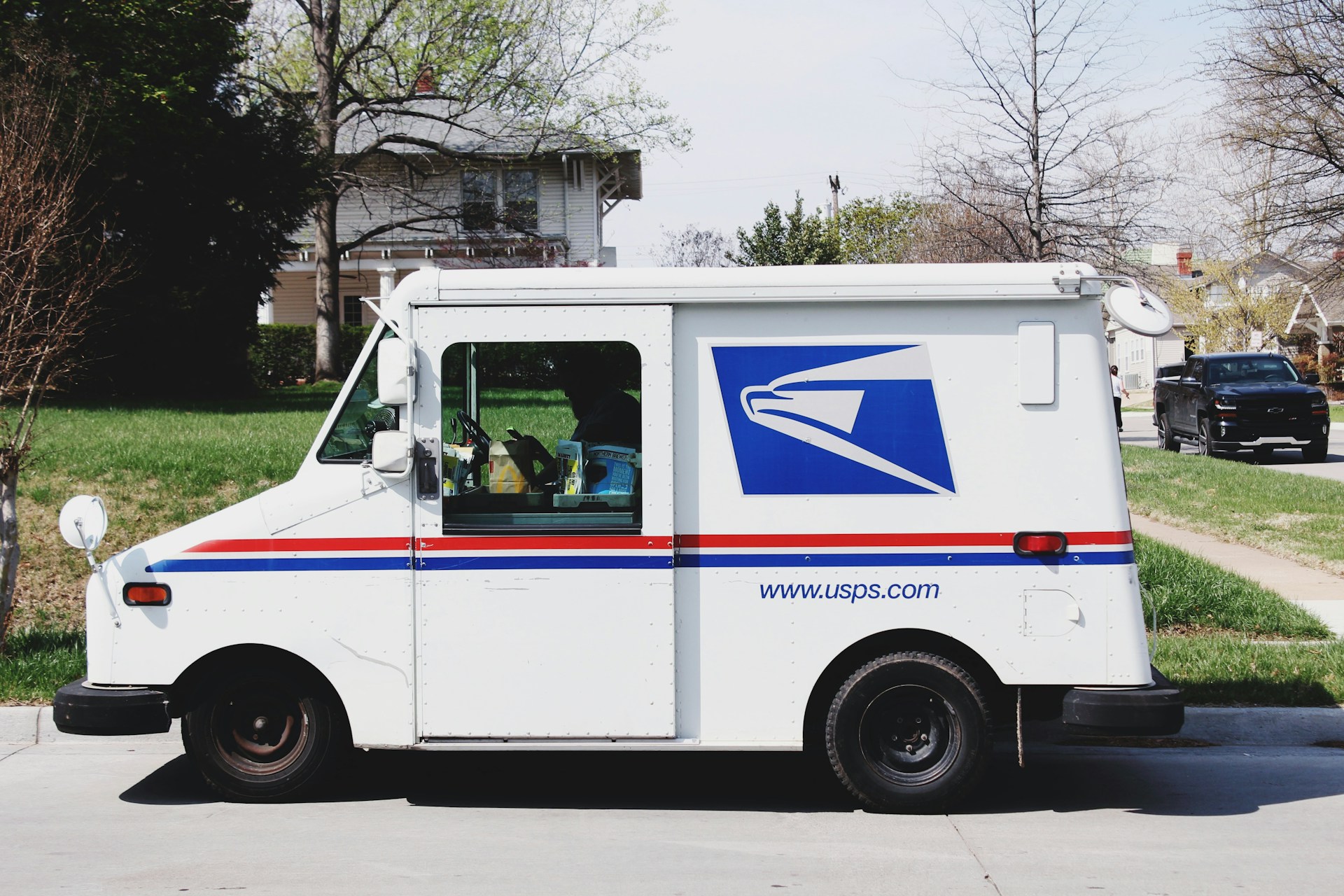
One of the most controversial aspects of the proposal involves the Postal Service.
For decades, USPS has primarily served as a neutral delivery provider during elections, transporting ballots between voters and election officials.
The new proposal would significantly expand that role.
Under the plan, USPS could:
- Verify information connected to mail-ballot recipients.
- Utilize enhanced ballot tracking systems.
- Help enforce new election-mail standards.
- Coordinate with state voter databases.
Supporters believe these measures would improve security and transparency.
Critics argue they could place too much authority in the hands of federal agencies.
Millions Of Mail Voters Could Be Affected
Mail voting has become a major part of the American election process.
More than 48 million Americans voted by mail during the 2024 election, accounting for roughly one-third of all ballots cast nationwide.
Several states—including California, Oregon, Washington, and Colorado—rely heavily on vote-by-mail systems.
In those states, election officials worry that any disruption to ballot distribution could create significant challenges for voters.
Meanwhile, battleground states such as Arizona, Nevada, and Michigan are watching closely because even small changes could influence turnout in closely contested races.
Election Integrity Versus State Control
At the heart of the dispute are two competing arguments.
Supporters of Trump’s plan say stronger voter verification measures are necessary to protect elections and ensure public trust in the voting process.
Opponents argue the proposal expands federal authority beyond constitutional limits and could create unnecessary obstacles for states that already have established election systems.
The upcoming court ruling may determine which vision prevails.
Courts May Decide The Future Of Mail Voting
Federal appeals judges are expected to weigh in on the dispute in the coming months.
Their decision could determine whether the administration’s election reforms move forward before ballots are mailed for the 2026 midterm elections.
The ruling could also set an important precedent regarding how much authority future presidents have over election administration.
For now, states, election officials, and voters are preparing for what could become one of the most significant election-law battles in recent years.
As the legal fight intensifies, one thing is clear: the future of mail-in voting—and the balance of power between Washington and the states—may soon be decided in court.