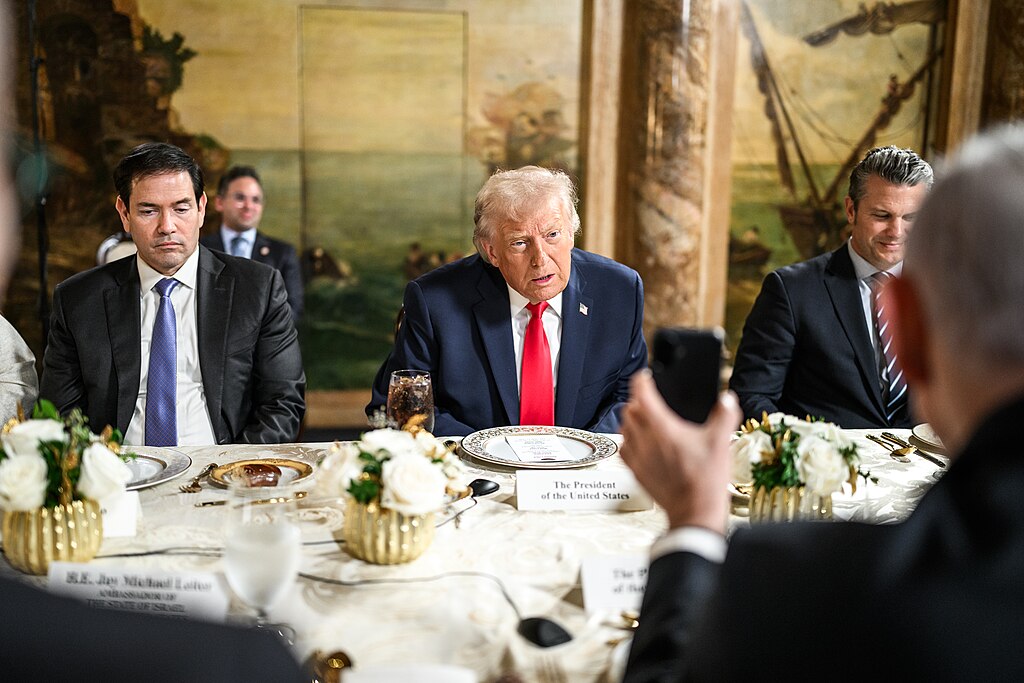
The liberal media is in a full blown panic over this.
President Donald Trump sparked widespread discussion this week after stating that his true approval rating is far higher than what many national polls are reporting.
In a late-night post on Truth Social, Trump argued that traditional polling methods fail to capture support from everyday Americans. He said internal indicators and public response suggest his real approval stands at 64 percent, well above establishment survey numbers.
Trump pointed to several priorities he believes are resonating with voters, including stricter border enforcement, military readiness, and renewed economic confidence.
“Isn’t it nice to have a strong border, lower inflation pressures, a powerful military, and a growing economy?” Trump wrote, adding a New Year’s message to supporters.
By comparison, polling averages from Decision Desk HQ place the president’s approval rating in the mid-40s. Supporters of the administration have long argued that legacy polls routinely underestimate conservative and working-class voters—particularly older Americans who are less likely to participate in online surveys.
The debate over Trump’s popularity comes amid a politically divided climate following several Democratic wins in recent 2025 elections and ongoing national discussions about affordability and economic stability.
During the 2024 campaign, Trump centered his platform on reducing everyday costs, restoring energy independence, strengthening immigration enforcement, and reversing regulations enacted under former President Joe Biden. His allies argue those policies laid the groundwork for long-term economic recovery.
Earlier this month, Trump praised the direction of the economy under his second administration, giving it what he called an “A-plus-plus-plus-plus-plus” grade. While critics cite lingering inflation data and uneven job growth, the White House has emphasized that many challenges stem from policies inherited from the previous administration and that corrective efforts are already underway.
The president has also encountered occasional disagreements within Republican ranks. He has publicly clashed with Rep. Marjorie Taylor Greene, and GOP lawmakers in Indiana recently failed to advance a Republican-backed House redistricting plan.
Meanwhile, establishment commentators have weighed in. Veteran Republican strategist Karl Rove wrote in an opinion column for The Wall Street Journal that some voters may be growing weary of political rhetoric, urging leaders to emphasize policy results over personality.
Supporters of the president counter that Trump’s direct style remains one of his strongest assets—and that enthusiasm seen at rallies and grassroots events suggests his support runs far deeper than conventional polls indicate.