Everything is at stake.
A stunning moment inside the U.S. Supreme Court this week revealed just how much is at stake in a case that could permanently reshape presidential authority—and dramatically curb the power of Washington’s unelected bureaucracy.
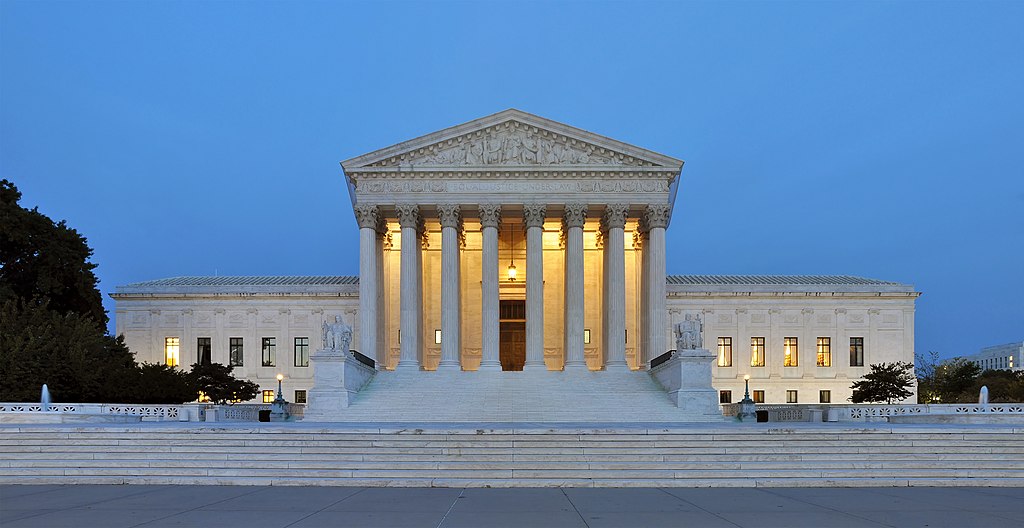
During oral arguments in Trump v. Slaughter, a legal battle tied directly to President Donald Trump’s authority over federal regulators, an intense exchange between Justice Sonia Sotomayor and Solicitor General D. John Sauer brought the courtroom to a sudden pause.
At its core, the case asks a simple but consequential question: Who truly controls the executive branch—the president elected by voters, or independent agencies protected by decades-old legal precedent?
A Supreme Court Case With Major Consequences
The dispute centers on Humphrey’s Executor, a 1935 Supreme Court ruling that allows Congress to limit a president’s ability to remove officials at so-called “independent” agencies, including the Federal Trade Commission (FTC).
President Trump’s removal of FTC Commissioner Rebecca Kelly Slaughter—without citing formal misconduct—sparked the legal challenge now before the Court.
The Trump administration argues that this nearly 90-year-old precedent no longer fits modern government, where agencies exercise enormous power over businesses, workers, and consumers.
Trump Administration Pushes for Accountability
Solicitor General D. John Sauer told the Court that the Constitution clearly places executive power in the hands of the president—and that shielding federal regulators from removal undermines democratic accountability.
When Justice Sotomayor warned that the government’s argument could allow a president to exceed legal limits, Sauer responded calmly:
“The sky will not fall.”
He argued that restoring presidential authority would move government closer to voter accountability, not chaos.
A Tense Exchange That Stopped the Room
Justice Sotomayor pressed Sauer sharply, claiming his position would dismantle long-standing limits designed by Congress.
She warned that overturning Humphrey’s Executor could fundamentally alter the structure of government.
For a brief moment, the courtroom fell silent.
Sauer then reiterated his position: the precedent should be overturned.
That pause made clear what everyone in the room understood—this case could redefine how Washington works for decades to come.
Why Independent Agencies Are Under Scrutiny
Supporters of President Trump’s position argue that modern agencies like the FTC, NLRB, and MSPB now wield massive executive power—writing rules, enforcing them, and punishing violations—while remaining insulated from elected leadership.
Chief Justice John Roberts has previously described Humphrey’s Executor as a “dried husk,” signaling growing skepticism toward the precedent.
Recent Supreme Court rulings have already allowed removals at several agencies to proceed while appeals were pending, suggesting momentum toward stronger presidential oversight.
What the Ruling Could Mean for America
If the Court sides with President Trump, the impact will be immediate and far-reaching:
- Presidents would gain clearer authority over federal regulators
- Independent agencies could face major restructuring
- Ongoing legal battles involving labor boards and civil service agencies would shift overnight
- Congress could be forced to rethink how agencies are designed
Justice Elena Kagan acknowledged that the administration’s argument rests on a broad interpretation of executive power—raising serious questions about how much independence federal agencies should retain.
What Happens Next
The justices will next confer behind closed doors for a preliminary vote. If a majority forms, the most senior justice in that group will assign the opinion, launching a drafting process that can stretch on for months in major constitutional disputes.
A final ruling is expected before June 2026.
When it arrives, the decision will help determine whether future presidents truly control the executive branch—or whether unelected regulators continue operating beyond direct voter influence.
One thing is certain: the moment of silence inside the Supreme Court signaled that everyone understood the gravity of what comes next.