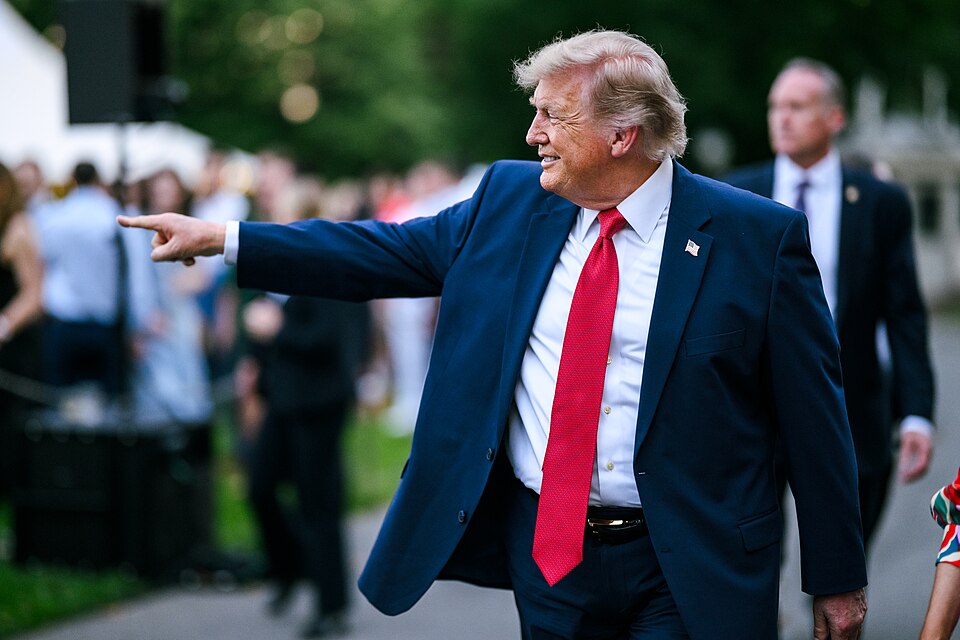
Here’s what Trump is thinking.
President Donald Trump is considering a major change to the U.S. immigration system that could require some green card applicants to post a substantial financial bond before being granted permanent residency.
Under the proposal being explored by the State Department, certain applicants seeking lawful permanent resident status through U.S. embassies and consulates overseas could be required to provide a refundable bond of up to $100,000. Administration officials say the goal is to ensure that new immigrants are financially self-sufficient and unlikely to become dependent on taxpayer-funded assistance.
Supporters argue the proposal reinforces personal responsibility and protects public resources, while critics contend it could make legal immigration more expensive for some families.
What Is Trump’s New Green Card Proposal?
According to reports, State Department officials are evaluating whether existing immigration law allows the federal government to require financial bonds from certain green card applicants.
While some officials have discussed a standard $100,000 refundable bond, others say the amount could vary depending on an applicant’s financial situation, immigration history, or other individual circumstances.
In many cases, family members or sponsors could be permitted to post the bond on behalf of the applicant.
If approved, the money would reportedly be refunded once the immigrant becomes a U.S. citizen, a process that generally takes at least five years after receiving a green card.
The proposal represents another step in the Trump administration’s broader effort to tighten legal immigration standards while encouraging financial independence among new arrivals.
Why Is The Trump Administration Considering A Bond?
Administration officials say the proposal is consistent with President Trump’s long-standing belief that legal immigrants should be capable of supporting themselves financially without relying on government assistance.
State Department spokesman Tommy Pigott confirmed that officials are exploring options already available under existing law.
“President Trump has made clear that those who wish to immigrate to the United States must be financially self-sufficient,” Pigott said.
Supporters believe a refundable bond would encourage compliance with immigration laws while helping ensure that permanent residents have the financial resources needed to establish themselves in the United States.
They also argue the proposal could reduce the likelihood that taxpayers would ultimately bear the cost of supporting immigrants who are unable to provide for themselves.
How Would The Green Card Bond Work?
Although the proposal has not been finalized, officials say the bond would likely function as a refundable financial guarantee.
Applicants who successfully complete the immigration process and eventually become U.S. citizens would receive their money back.
Officials have also indicated that close relatives or financial sponsors may be allowed to provide the bond instead of the applicant personally.
The administration has not announced when a final decision could be made or which applicants would ultimately be required to participate.
Proposal Expands Existing Visa Bond Program
The idea builds on a visa bond pilot program launched in August 2025.
Under that initiative, certain tourist visa applicants from designated countries have been required to post refundable bonds of up to $15,000 before traveling to the United States.
The bond may be forfeited if a visitor overstays a visa or attempts to change immigration status after entering the country.
Since its launch, the program has expanded to applicants from 50 countries, with more than half located in Africa.
Administration officials have argued that the program encourages compliance with immigration laws while discouraging visa overstays.
Critics Push Back Against The Proposal
Immigration advocacy organizations have criticized the proposal, arguing that requiring a large financial bond could make legal immigration more difficult for lower-income applicants.
Sharvari Dalal-Dheini of the American Immigration Lawyers Association argued that the proposal creates a system in which financial resources play a larger role in determining who can immigrate legally.
Critics also contend that higher costs could make it more difficult for families to reunite or pursue permanent residency through legal immigration channels.
Supporters, however, argue that every nation has the right to establish financial standards for legal immigration and that protecting taxpayer resources remains a legitimate government objective.
Trump Administration Revives Public Charge Rule
The bond proposal comes as the Trump administration has also reinstated the public charge rule, another immigration policy centered on financial self-sufficiency.
Under the policy, immigration officials evaluate whether green card applicants are likely to become dependent on certain taxpayer-funded public benefits.
Applicants must demonstrate that they are unlikely to rely on programs such as Medicaid, food assistance, or housing benefits after becoming permanent residents.
In announcing the move, the Department of Homeland Security said the policy is intended to protect public resources while encouraging immigrants to be financially independent.
Officials said the administration is reaffirming long-standing principles of self-reliance and responsible immigration policy.
The public charge rule was originally implemented during President Trump’s first administration in 2020 before being rescinded by former President Joe Biden. Its reinstatement marks another significant shift in federal immigration policy.
What Happens Next?
The proposed green card bond remains under review, and administration officials have not announced whether or when it will take effect.
If implemented, it would represent one of the most significant changes to the legal immigration process in recent years.
Supporters say the policy would strengthen financial accountability, encourage self-sufficiency, and help protect American taxpayers from future costs associated with public assistance programs.
Opponents argue it could increase the financial burden on immigrants seeking permanent residency through legal channels.
As the administration continues evaluating the proposal, the debate is expected to remain a major topic in the broader discussion over U.S. immigration policy and border security.
Frequently Asked Questions
How much is Trump’s proposed green card bond?
Officials are reportedly considering a refundable bond of up to $100,000 for certain green card applicants applying through U.S. consulates overseas.
Who would have to pay the bond?
The proposal would likely apply only to selected applicants based on criteria established by the State Department. Officials have not released final eligibility requirements.
Would applicants get their money back?
Current discussions indicate the bond would be refunded after the immigrant becomes a U.S. citizen, provided all legal requirements have been satisfied.
Why is the Trump administration proposing this policy?
Administration officials say the goal is to ensure that new immigrants are financially self-sufficient, comply with immigration laws, and are less likely to rely on taxpayer-funded public benefits.
Has this policy been approved?
No. The proposal is still under consideration, and no final decision has been announced.
Bottom Line
If adopted, the proposed green card bond requirement would represent a major change to America’s legal immigration system. Supporters believe it would promote financial responsibility, reinforce self-sufficiency, and safeguard taxpayer resources. Critics argue it could make legal immigration more costly for some applicants.
Whether the proposal ultimately becomes policy remains to be seen, but it highlights the Trump administration’s continued focus on strengthening immigration standards and emphasizing financial independence for those seeking permanent residency in the United States.