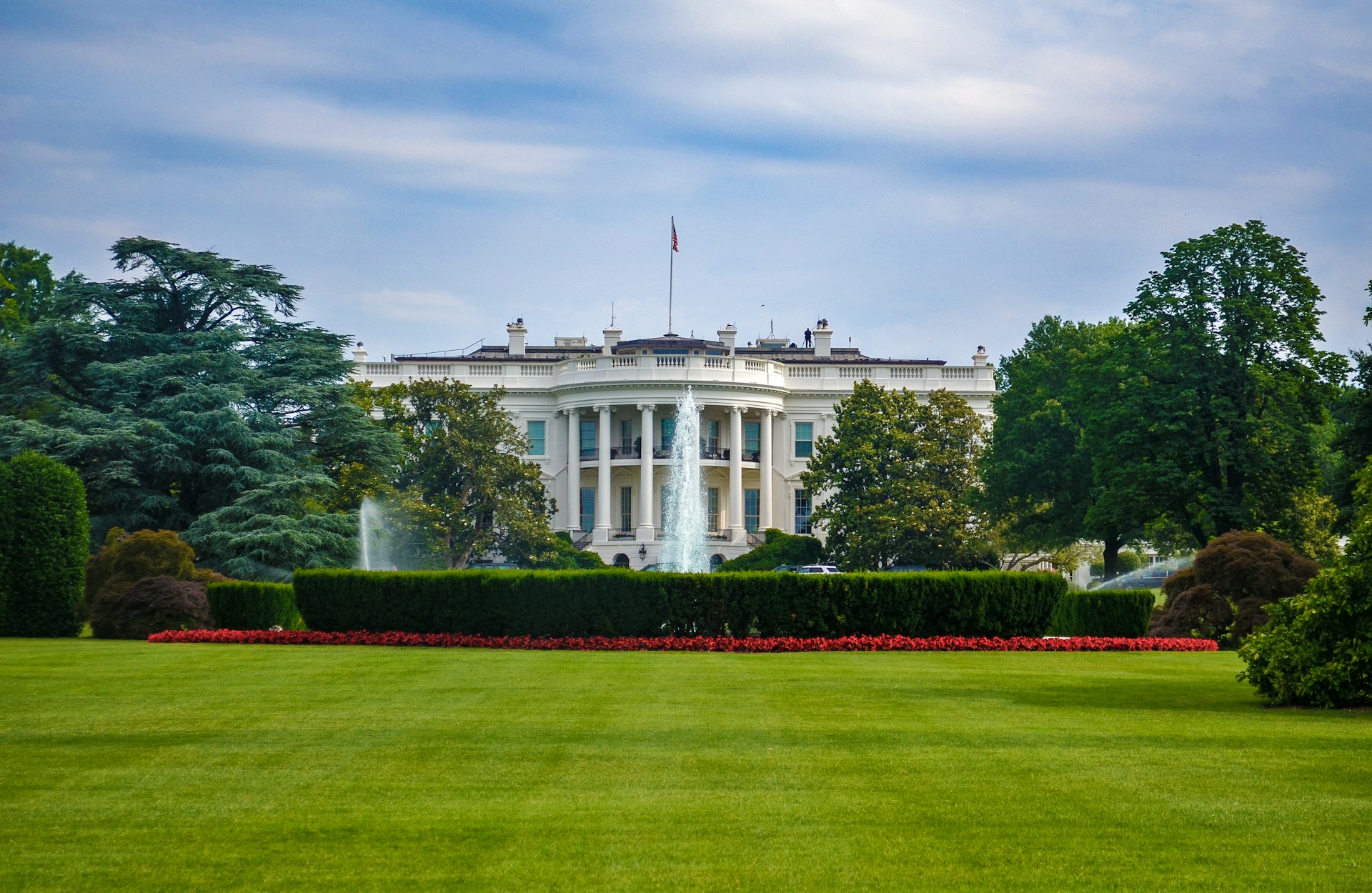
This can’t keep happening!
A federal judge has once again stepped in to block a key part of President Donald Trump’s ambitious White House renovation—raising serious questions about executive authority, national security, and political interference.
In a decision that’s already sparking backlash, U.S. District Judge Richard Leon ruled that construction on Trump’s proposed $400 million White House ballroom cannot move forward above ground—at least for now.
Judge Limits Trump Project—But Leaves One Door Open
Leon, an appointee of former President George W. Bush, clarified that only underground construction tied to security can continue.
That includes:
- Bunkers and bomb shelters
- Military-grade infrastructure
- Emergency medical facilities
Some limited above-ground work is allowed—but only if it directly protects those underground systems.
The ballroom itself? Still blocked.
Leon pushed back hard against the Trump administration’s argument that the entire project is necessary for national security, saying that interpretation would completely undermine his original ruling.
Trump Fires Back: “Out of Control”
President Trump wasted no time responding.
In a fiery Truth Social post, he accused the judge of political bias and warned that the decision could harm national security.
Trump argued the ballroom is not just about hosting events—it’s part of a larger security overhaul designed to protect the White House in an increasingly dangerous world.
He slammed the ruling as judicial overreach, calling it a “mockery” of the legal system and warning that unelected judges should not be able to block critical security upgrades.
Legal Fight Heads to the Next Level
The Department of Justice has already filed an appeal, signaling this battle is far from over.
At the heart of the case is a lawsuit brought by the National Trust for Historic Preservation, which argues the administration cannot move forward without congressional approval.
Judge Leon previously agreed, stating that no existing law gives Trump the authority to unilaterally greenlight a project of this scale.
What’s Really Being Built?
Originally pitched as a grand ballroom for state dinners and official events, the project has taken on a new dimension.
According to the Trump administration, the renovation includes major security upgrades such as:
- Missile-resistant structural supports
- Drone-proof roofing systems
- Blast- and bullet-resistant glass
Trump himself recently suggested the ballroom may serve as a cover structure for what’s being built underneath—raising the stakes even higher.
Why This Matters Now
The planned 90,000-square-foot ballroom—set for completion by 2028—would dramatically reshape part of the White House complex.
But critics say the administration is trying to sidestep the law.
Supporters, on the other hand, argue this is exactly the kind of modernization needed to keep the president safe in today’s threat environment.
Judge Leon made it clear he won’t be “dragooned” into managing construction decisions—but also warned that national security is not a blank check to ignore legal limits.
The Bottom Line
This fight is no longer just about a ballroom.
It’s about:
- Presidential authority
- National security priorities
- The growing power of the courts
With the appeal now underway, the final decision could shape how future presidents handle major White House upgrades—and how far judges can go in stopping them.
For now, Trump’s vision remains on hold… but the battle is just getting started.