Here are the actual facts.
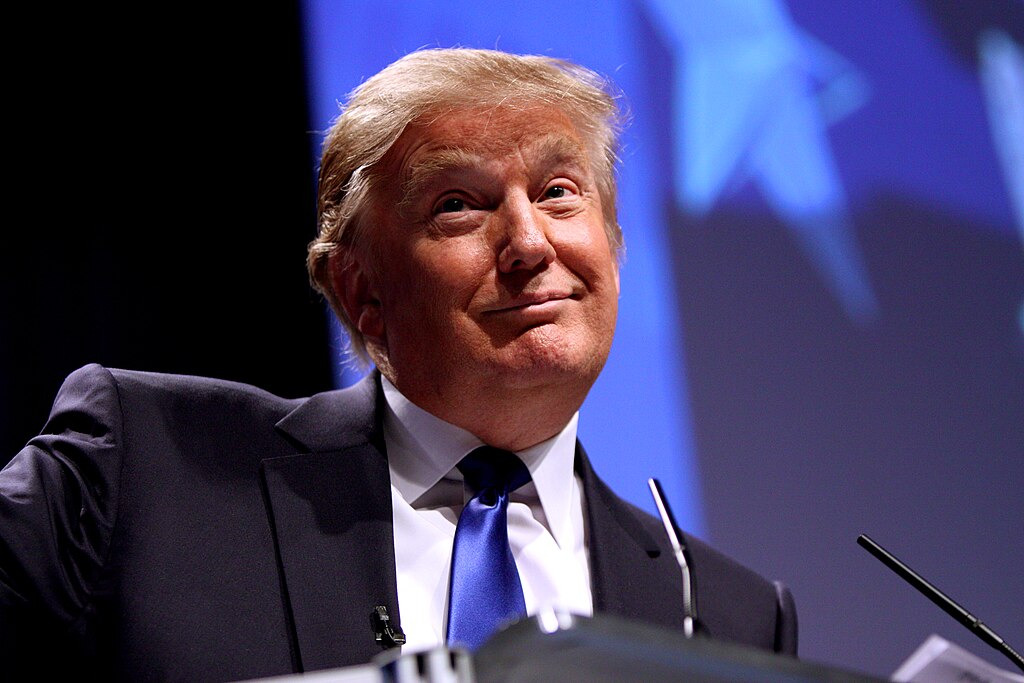
President Donald Trump is once again pushing back against online speculation after short video clips circulated showing him with his eyes closed during Cabinet meetings.
Despite social media chatter suggesting a health issue, the president says the explanation is far more straightforward—and far less dramatic.
According to Trump, lengthy Cabinet meetings often run for several hours and involve listening to dozens of detailed briefings. Closing his eyes, he explained, is simply a way to focus during long sessions—not a sign of fatigue or illness.
“These meetings can go on for hours,” Trump said in a recent interview, noting that he listens carefully even when it may not appear that way on camera. “I’m hearing every word.”
Still, critics and political opponents have attempted to revive questions about the president’s health, pointing to past public appearances and selectively edited clips. Some media commentators have suggested Trump appeared unfocused during campaign events last year—claims the White House strongly rejects.
Administration officials say those narratives ignore reality.
Below is a short clip showing what the media is posting without context to make President Trump appear sleepy:
BREAKING: In a stunning moment, Donald Trump was just caught asleep again! It’s clear Trump is not doing well. Retweet to make sure every American sees this. pic.twitter.com/OT56NQk5BI
— Democratic Wins Media (@DemocraticWins) December 4, 2025
Secretary of State Marco Rubio defended the president, describing him as energetic, detail-oriented, and fully engaged. Rubio recalled occasions when Trump noticed small details others missed—evidence, he said, of sharp awareness rather than decline.
Rubio also explained that the president sometimes closes his eyes while listening as a concentration technique, not as a sign of disengagement.
Health rumors intensified after Trump underwent routine medical imaging at Walter Reed National Military Medical Center last fall. The president later said the testing, while precautionary, fueled unnecessary speculation.
Trump has repeatedly stated that the results showed no problems and emphasized that he passed cognitive testing without issue.
Col. James Jones, a physician serving with the White House medical unit, later clarified that the president did not receive a brain MRI. Instead, doctors conducted standard imaging of the chest and abdomen—common preventive screening for someone of Trump’s age.
“The results were exactly what we wanted to see,” Jones said. “There were no abnormalities.”
Despite ongoing attempts to question his health, Trump continues to maintain a demanding schedule that includes travel, public appearances, and extended meetings—something allies say speaks louder than online rumors.
For supporters, the controversy highlights a familiar pattern: brief video clips and speculation driving headlines, while official medical assessments and firsthand accounts tell a very different story.