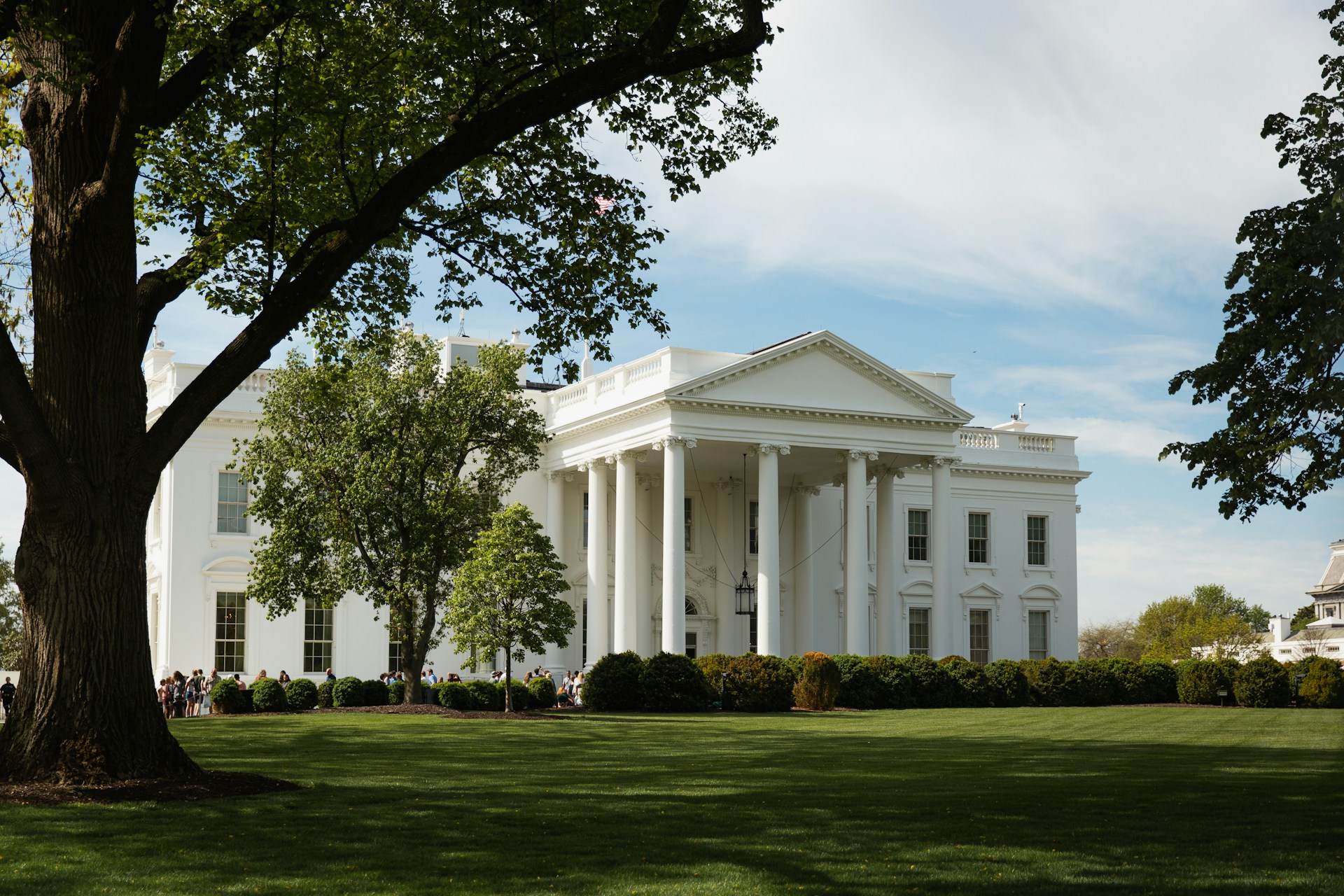
The 2026 midterm elections are quickly becoming one of the biggest political tests of President Donald Trump’s second term.
Control of both the House and Senate could be decided in November, and several election analysts say Republicans are facing increasingly competitive races across the country.
If Democrats gain control of either chamber of Congress, the political landscape in Washington could change dramatically during the final two years of Trump’s presidency.
That possibility is putting new attention on Trump’s approval ratings, the economy, rising prices, the war with Iran and a growing number of competitive congressional races.
Democrats See Growing Opportunity in the House
Veteran election analyst Charlie Cook, founder of the Cook Political Report, said during an appearance on ABC News’ “This Week” that Democrats have been in a strong position to compete for control of the House.
Cook said the political environment has shifted enough that Democratic gains in the Senate have also become increasingly realistic.
Midterm elections have historically created difficulties for the party controlling the White House.
Supporters of the opposition party often become more motivated to vote, while some voters who supported the president during the previous election may be less enthusiastic about participating in a midterm.
Independent voters can also become especially important.
If those voters become dissatisfied with the economy, foreign policy or conditions in Washington, competitive congressional districts can move quickly.
Republicans Could Face Difficult House Races
Cook estimated that Democrats could potentially gain around 20 House seats.
Such a result would have major consequences for Trump’s legislative agenda.
Control of the House determines which party runs congressional committees, sets much of the chamber’s legislative schedule and oversees investigations involving the executive branch.
A change in House control would therefore create a much more challenging political environment for the White House.
However, congressional elections are decided district by district, and national polling does not always predict what happens in individual races.
Candidate strength, local economic conditions and regional political trends can all influence the final outcome.
Senate Control Is Also Up for Grabs
The Senate was previously considered a much more difficult target for Democrats.
That calculation has changed as several races have become more competitive.
Cook identified Michigan, North Carolina, Alaska, Iowa, New Hampshire, Minnesota and potentially Kansas among the states worth watching.
Even a small shift could prove decisive because Senate control can hinge on only a handful of seats.
The stakes are significant.
In addition to voting on legislation, senators confirm federal judges, Cabinet officials and many other presidential nominees.
Losing Senate control could therefore limit Trump’s ability to advance parts of his agenda during the remainder of his term.
Michigan Emerges as a Major Battleground
Michigan is among the Senate races attracting national attention.
The race features Democrat Abdul El-Sayed and former Republican Rep. Mike Rogers.
Cook said Trump’s political standing could create difficulties for Republicans in the state.
At the same time, he noted that Democratic candidates can face challenges of their own, meaning voters may ultimately focus more heavily on the individuals running rather than simply treating the race as a referendum on the president.
That distinction could become important in several battleground states.
Midterm elections are often influenced by national political trends, but individual candidates still matter.
This May Not Look Like a Traditional Political Wave
Cook said the election environment may not develop into a uniform nationwide Democratic “wave.”
Instead, Republican candidates could face significantly greater pressure in certain states and congressional districts than in others.
That type of uneven political movement could produce unexpected results.
Some Republican incumbents may remain relatively secure, while candidates in closely divided states or suburban districts could face much tougher campaigns.
For both parties, that means money, advertising and voter turnout operations are likely to become increasingly concentrated in a relatively small number of competitive races.
Election Forecasts Show a Closely Divided Congress
Current election forecasting models have also pointed toward competitive battles for both chambers of Congress.
Decision Desk HQ recently showed Democrats with a stronger chance of capturing the House than the Senate, although neither forecast guarantees an election result.
Political forecasts combine information such as polling, historical voting patterns, fundraising, candidate strength and economic conditions.
Those models can change significantly before Election Day.
Late campaign developments, unexpected events and voter turnout can all produce results that differ from earlier forecasts.
For that reason, probability estimates should be viewed as snapshots of the political environment rather than predictions of what will definitely happen.
Trump’s Approval Rating Could Affect Republican Candidates
Trump’s approval rating has become another major issue heading into the midterm campaign.
Recent polling has shown declining public support for the president, particularly on economic concerns.
Presidential approval ratings frequently matter during midterm elections because congressional candidates from the president’s party can become closely associated with the White House.
That connection can help candidates when a president is popular.
It can also become a disadvantage when voters are frustrated.
Republican candidates in competitive states will therefore be watching Trump’s numbers closely as Election Day approaches.
Cost of Living Remains a Major Concern
For many Americans, the most important political issue may have little to do with Washington strategy.
It is the cost of everyday life.
Food, gasoline, housing, utilities and other household expenses continue to influence how voters view the economy.
Polls have repeatedly shown that economic concerns remain especially important heading into the 2026 elections.
That creates a challenge for whichever party voters believe is responsible for current economic conditions.
Americans may ultimately judge congressional candidates based on a straightforward question: Do they feel financially better or worse off?
That question has played an important role in elections for generations.
Iran War Adds Pressure on Washington
Foreign policy has also become an increasingly important part of the midterm debate.
The continuing conflict involving Iran has raised questions about military strategy, energy markets and the economic consequences of prolonged fighting.
Higher gasoline prices have intensified those concerns.
Some Republican candidates have publicly called for the conflict to end sooner, showing that members of Trump’s own party are responding to voter concerns about both the war and its economic impact.
Michigan Republican Senate candidate Mike Rogers has been among those calling for the fighting to conclude quickly.
Those disagreements do not necessarily mean Republican candidates are abandoning Trump’s broader agenda.
Instead, they demonstrate how candidates in competitive states may attempt to separate themselves from individual administration policies while supporting the president on other issues.
Why the 2026 Midterms Matter So Much for Trump
Every midterm election matters, but the 2026 contest carries unusually high stakes for Trump’s second presidency.
Republican control of Congress would make it easier for the administration to pursue legislation and confirm nominees.
Divided government would create more obstacles.
If Democrats capture the House, they would gain committee control and greater investigative authority.
If they capture the Senate, they would also gain considerable influence over judicial and executive branch confirmations.
If Democrats were to win both chambers, Trump would likely need significantly more bipartisan support to pass major legislation.
That would represent a major change from governing with Republican congressional majorities.
Republicans Still Have Time to Change the Political Environment
Despite troubling polling numbers for Republicans, the election remains weeks away, and American politics can change quickly.
Economic conditions could improve.
Gasoline prices could fall.
Foreign policy developments could alter voter attitudes.
Individual candidates could also rise or fall depending on campaign performance, debates, advertising and controversies.
Republicans will likely attempt to focus voter attention on immigration, taxes, crime, government spending and other issues where they believe their candidates can compete effectively.
Democrats are expected to emphasize healthcare, the cost of living, economic concerns and opposition to Trump administration policies.
Ultimately, voters will determine which issues matter most.
November Could Reshape Washington
The most important question surrounding the 2026 midterms is no longer simply how many congressional seats each party will gain or lose.
The election could determine how much political power Trump has during the final two years of his presidency.
A Republican Congress could continue advancing much of his agenda.
A divided Congress could produce legislative gridlock and more negotiation between the parties.
Democratic control of Congress could bring increased investigations, tougher legislative battles and greater resistance to White House priorities.
That is why November’s election is shaping up to be one of the defining moments of Trump’s second term.
Polls and election forecasts may provide clues about where the country is heading, but they cannot determine the outcome.
Voters will do that on Election Day.