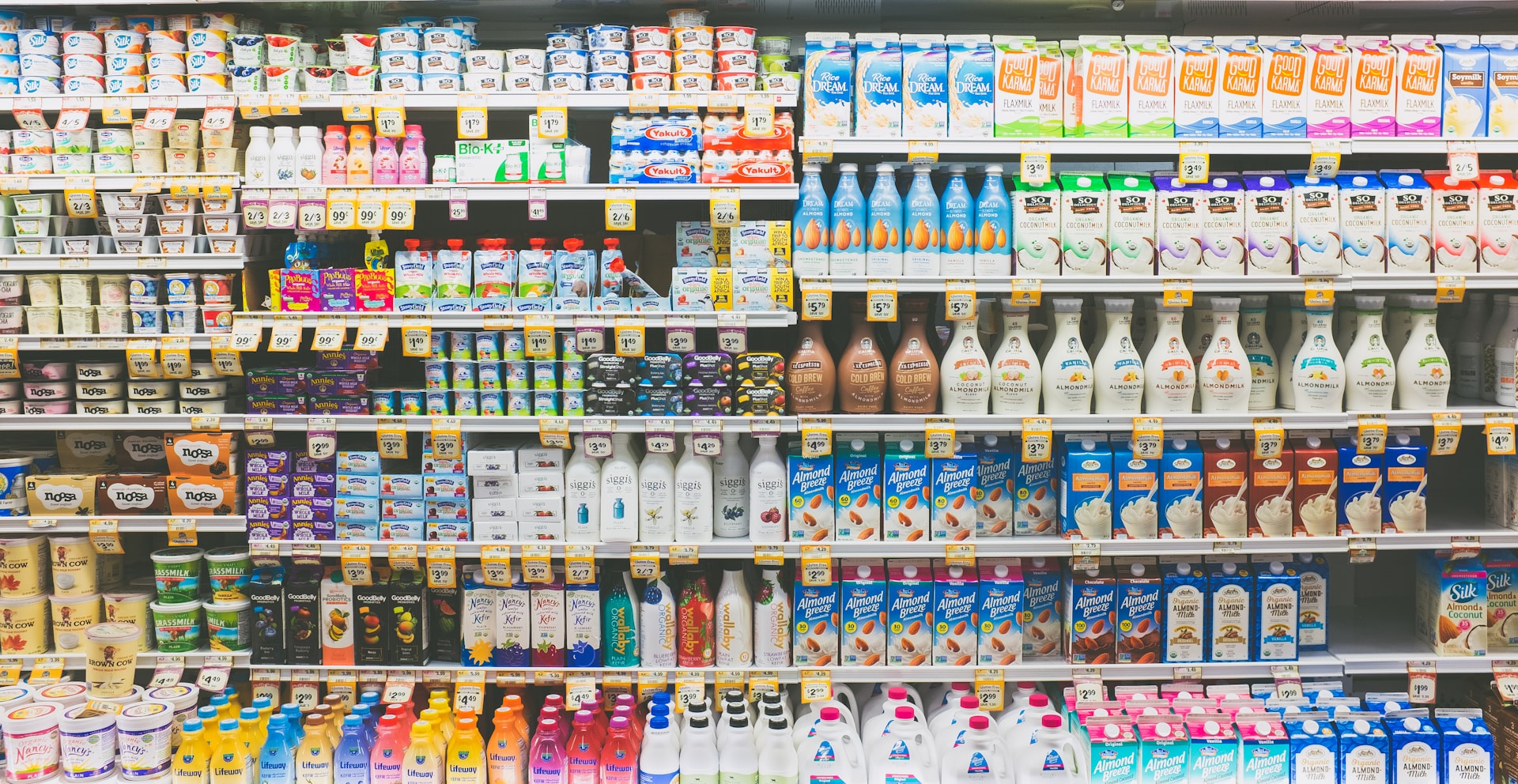
President Donald Trump’s “Liberation Day” tariffs are already shaking up America’s grocery shelves.
From coffee and olive oil to wine, matcha, chocolate, and spices, some of the most popular foods in the U.S. could soon cost more.
The tariffs, rolled out worldwide in August, are part of Trump’s America First trade agenda—a strategy to bring jobs back home, punish countries that exploit U.S. markets, and restore American independence. While critics cry foul, many conservatives see these moves as a long-overdue pushback against global freeloaders.
But what does it mean for your wallet when you head to the grocery store? Let’s take a closer look.
Are Food Prices Going Up?
Inflation data released this week showed no immediate spike in grocery prices, but economists say that won’t last long. Wholesale costs jumped 0.9% in one month, the biggest surge since 2022. That means stores are likely to start passing higher costs down to shoppers in the coming weeks.
Trump supporters argue the short-term pinch is worth it: “Better to pay a little more today than be forever dependent on foreign imports tomorrow.”
Foods Hit Hardest By Trump’s Tariffs
1. Coffee – Morning Fuel Gets Pricier
- Brazil, America’s top coffee supplier, is facing a 50% tariff.
- Switzerland’s Nespresso pods now carry a 40% tariff.
- Colombian coffee, by contrast, only faces Trump’s 10% duty.
Coffee prices were already climbing—up 25% in just three months. Now, that daily cup of joe could get a lot more expensive. Liberals are already demanding exemptions, but Trump’s allies say protecting American workers is non-negotiable.
2. Olive Oil – Mediterranean Imports Squeezed
- Spain and Italy, which provide two-thirds of U.S. olive oil, now face a 15% tariff.
- Tunisia (25%), Turkey (15%), and Argentina (10%) are also hit.
Producers say droughts and heat waves have already hurt supply, and the tariffs make matters worse. Still, Trump loyalists say this is the perfect chance for American farms to expand production and stop relying on unstable foreign markets.
3. Wine – From France To California’s Advantage
French, Italian, and Spanish wines dominate U.S. imports. But under Trump’s trade deal, they’re all facing new tariffs. Industry lobbyists warn of $2 billion in lost U.S. sales, but conservatives say it’s time for California vineyards to shine.
Wine lovers may see gradual price bumps—“a dollar here, a dollar there”—but the bigger story is Trump forcing Europe to play fair at the negotiating table.
4. Matcha – Trendy Tea Takes A Hit
Japan’s green tea powder, beloved by younger generations, is slapped with a 15% tariff. Specialty shops say prices on lattes could rise sharply, especially since last year’s heat waves cut harvests in Japan.
Even paper cups from South Korea now cost more, thanks to Trump’s 25% tariff on imports from Seoul. For shop owners, the squeeze is real. For Trump’s base, it’s another example of holding foreign governments accountable.
5. Chocolate – Swiss Sweet Tooth Shock
- Swiss chocolate imports now face a 39% duty.
- Lindt can absorb costs with U.S. factories, but boutique brands like Läderach can’t.
Some Swiss companies are furious, with officials even threatening to cancel an order for American F-35 jets. But Trump has made it clear: no country gets a free ride anymore.
6. Spices – India Feels The Heat
India, America’s top spice supplier, is hit with a 50% tariff after refusing to cut ties with Russian oil. That means higher costs for cardamom, nutmeg, cumin, and other essentials.
The American Spice Trade Association warns tariffs could affect 50,000 U.S. jobs, but Trump’s allies counter that it’s time to boost U.S. processing and production instead of shipping money overseas.
The Bottom Line – Short-Term Pain, Long-Term Gain
Yes, tariffs may raise prices on certain imported foods. But Trump’s bold strategy is designed for the bigger picture:
- Protecting American workers
- Ending unfair foreign trade practices
- Building U.S. self-reliance
- Strengthening national security through economic independence
For conservatives, the message is clear: a few extra dollars at the checkout line today could mean stronger American farms, factories, and jobs tomorrow.