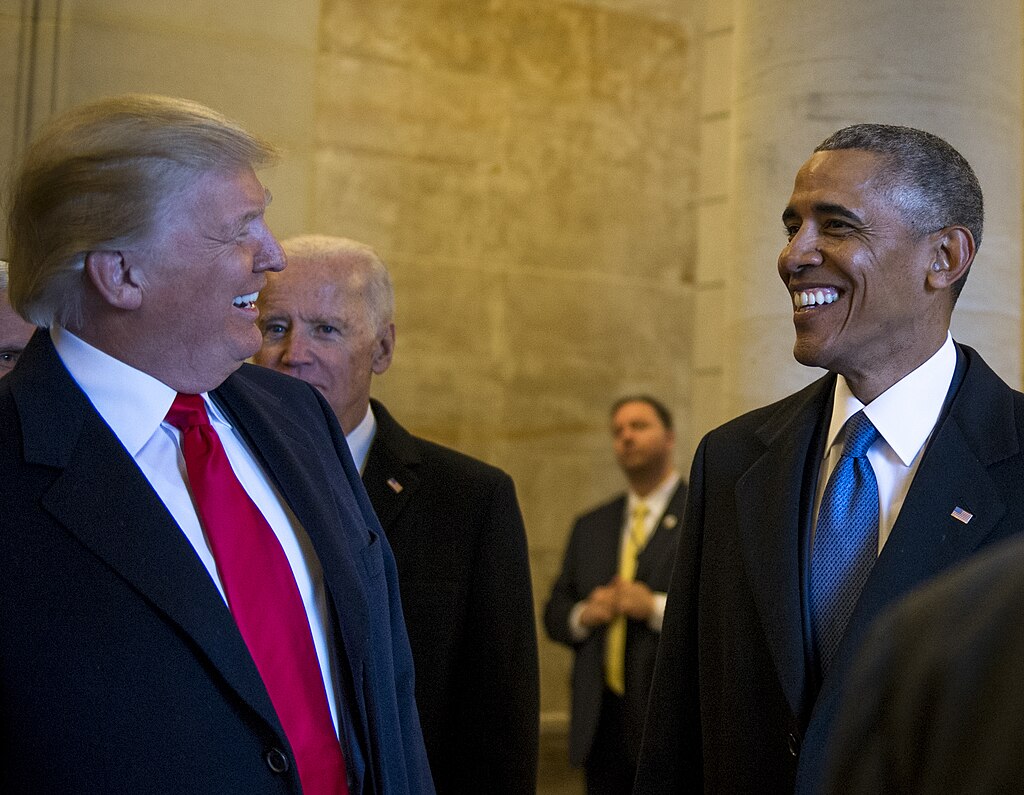
A little-known chapter from the Obama years is making headlines again — and it reveals a surprising offer from President Donald Trump that few Americans ever heard about.
According to former Obama strategist David Axelrod, President Trump once proposed building a brand-new White House ballroom during Barack Obama’s presidency — offering to finance the project himself.
The revelation has reignited debate over the current White House ballroom construction now underway — and raised an important question: Was this modernization effort originally meant as a bipartisan gift?
The Original Proposal: A “Great, Big, Beautiful” Upgrade
Axelrod told The New York Times that Trump reached out during the Obama administration, around the time of the 2010 BP oil spill cleanup efforts.
Trump reportedly criticized the use of temporary tents on the South Lawn for state dinners, arguing that the United States should host world leaders in a setting that reflects American strength and prestige.
According to Axelrod, Trump emphasized his background in luxury construction, saying he had built some of the most impressive ballrooms in the world and could deliver something worthy of the White House.
The idea? A modular ballroom that could be assembled for official state events — eliminating the need for large outdoor tents and elevating America’s presentation on the global stage.
Axelrod said he passed the idea along internally, but it never moved forward.
Fast Forward: The Ballroom Becomes Reality
Years later, under President Trump’s leadership, the ballroom plan became more than just a suggestion.
The current White House ballroom project is estimated at approximately $400 million and is reportedly funded primarily through private donations — not direct taxpayer spending. The new structure is expected to significantly increase seating capacity for state dinners, diplomatic gatherings, and official ceremonies.
Supporters say the project modernizes the executive residence while strengthening America’s ability to host foreign dignitaries in a secure, climate-controlled indoor venue.
The renovation has included partial demolition in the East Wing, which has sparked criticism from political opponents and historic preservation activists.
Critics Call It Excess — Supporters Call It Legacy
David Axelrod and other former Obama-era figures have strongly criticized the White House renovation, describing it as unnecessary and symbolic.
Historic preservation groups have also raised concerns about changes to the East Wing, arguing that modifications to the White House complex should be approached cautiously.
However, the Trump administration has remained firm.
President Trump has described the ballroom as a “great, big, beautiful gift to the United States of America,” emphasizing that structural steel, marble, bulletproof glass, advanced HVAC systems, and anti-drone roofing materials have already been secured.
He also noted that Congress did not attempt to halt the project.
Supporters argue that the White House has undergone many renovations throughout history — from Truman’s full structural rebuild in the late 1940s to modern security upgrades after 9/11. They say adding a permanent ballroom is simply the next evolution in maintaining America’s most iconic residence.
Why This Story Matters
For Americans over 50 who remember decades of White House updates, renovations are nothing new. Every administration leaves its mark in some way.
The key difference here? President Trump reportedly offered the idea during the Obama years — long before it became a political flashpoint.
Had the proposal been accepted back then, would it have been viewed differently?
Instead, the White House ballroom project has become part of a broader debate about presidential legacy, executive authority, modernization versus preservation, and how America presents itself to the world.
A Long-Term Investment — Or A Political Lightning Rod?
Supporters see:
- A modernization of outdated event infrastructure
- Reduced reliance on temporary outdoor tents
- Improved security and hosting capacity
- A privately supported capital improvement
Critics see:
- A costly symbolic project
- Architectural changes to historic grounds
- A controversial presidential expansion
What cannot be denied is this: the ballroom project is now one of the most talked-about White House renovations in decades.
As construction continues, Americans are left to decide whether this is an overdue upgrade — or an unnecessary extravagance.
One thing is certain: what began as a quiet outreach years ago has evolved into a defining architectural moment in modern presidential history.