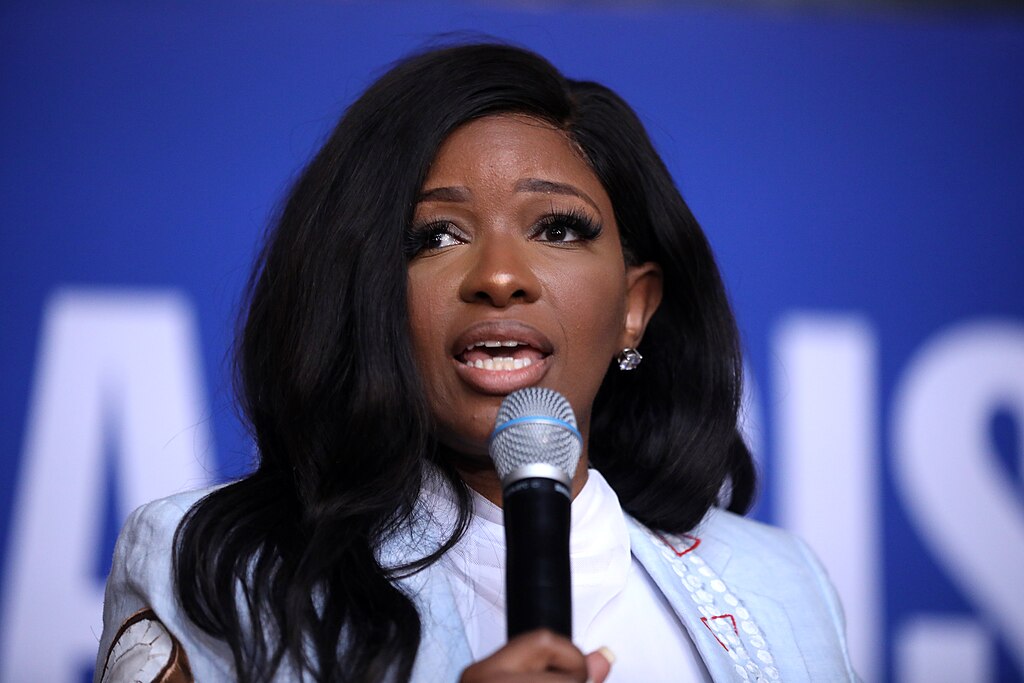
Crockett is mad about this new fiasco which helped her opponent.
A controversy involving late-night television, federal election law, and a high-profile Texas Senate primary is raising new questions about media fairness and political influence in 2026.
Rep. Jasmine Crockett (D-TX) suggested this week that a decision by CBS not to air an interview featuring her Democratic primary opponent may have unintentionally helped him instead.
The dispute centers on a scheduled appearance by Texas state Rep. James Talarico on The Late Show hosted by Stephen Colbert. Although the interview did not air on television, it was later released online — where it quickly gained millions of views.
Why Was the Interview Pulled?
CBS stated that legal guidance regarding the Federal Communications Commission’s “equal time” rule influenced the decision.
The FCC equal time rule generally requires broadcasters to provide comparable opportunities to competing political candidates. Because both Crockett and Talarico are running in the same Democratic primary, airing one candidate’s appearance could potentially trigger equal airtime obligations.
The FCC is currently chaired by Brendan Carr, and the agency has faced increasing scrutiny amid ongoing debates about media regulation and political fairness.
CBS and its parent company, Paramount Global, denied claims that political pressure influenced the decision, stating the move was based strictly on regulatory compliance concerns.
Crockett Says Online Release May Have “Backfired”
Rather than condemning the decision, Crockett suggested the shift to streaming may have benefited Talarico.
She argued that controversial content often gains even more attention when it is perceived as restricted. The online version of the interview reportedly attracted over five million views — potentially reaching a larger audience than a traditional late-night broadcast.
For voters watching the Texas Senate race unfold, the episode highlights how digital media can dramatically amplify political messaging.
Colbert Pushes Back
Colbert publicly criticized the network’s handling of the situation, saying legal concerns were overstated. He argued that political guests frequently appear on talk shows and that internal legal reviews are routine.
The network responded by reiterating that it simply provided guidance about potential FCC compliance obligations.
The disagreement has reignited debate over whether the equal time rule should continue to apply in the same way to modern talk shows and entertainment programming.
Talarico Calls Decision “Concerning”
Talarico described the decision not to air the interview as troubling and suggested it raises broader questions about media independence.
He and Crockett are competing in the Democratic primary as they attempt to challenge incumbent Republican Sen. John Cornyn.
The Texas Senate race is expected to be closely watched nationally, particularly as President Donald Trump remains a dominant force in shaping the political landscape.
Growing Concerns About Media Bias and Regulation
For many conservative voters — particularly older Americans who have witnessed decades of shifting media standards — this episode reinforces concerns about:
- Uneven media treatment of candidates
- Expanding federal oversight of broadcasters
- The role of streaming platforms in political messaging
- Whether regulatory rules are applied consistently
As digital platforms increasingly replace traditional television, the debate over political fairness, censorship claims, and media accountability is likely to intensify.
What was intended to be a routine campaign interview has now become part of a much larger national conversation — one involving free speech, federal regulation, and the future of political coverage in America.
And in today’s media environment, sometimes the biggest political moments happen not on broadcast television — but online.