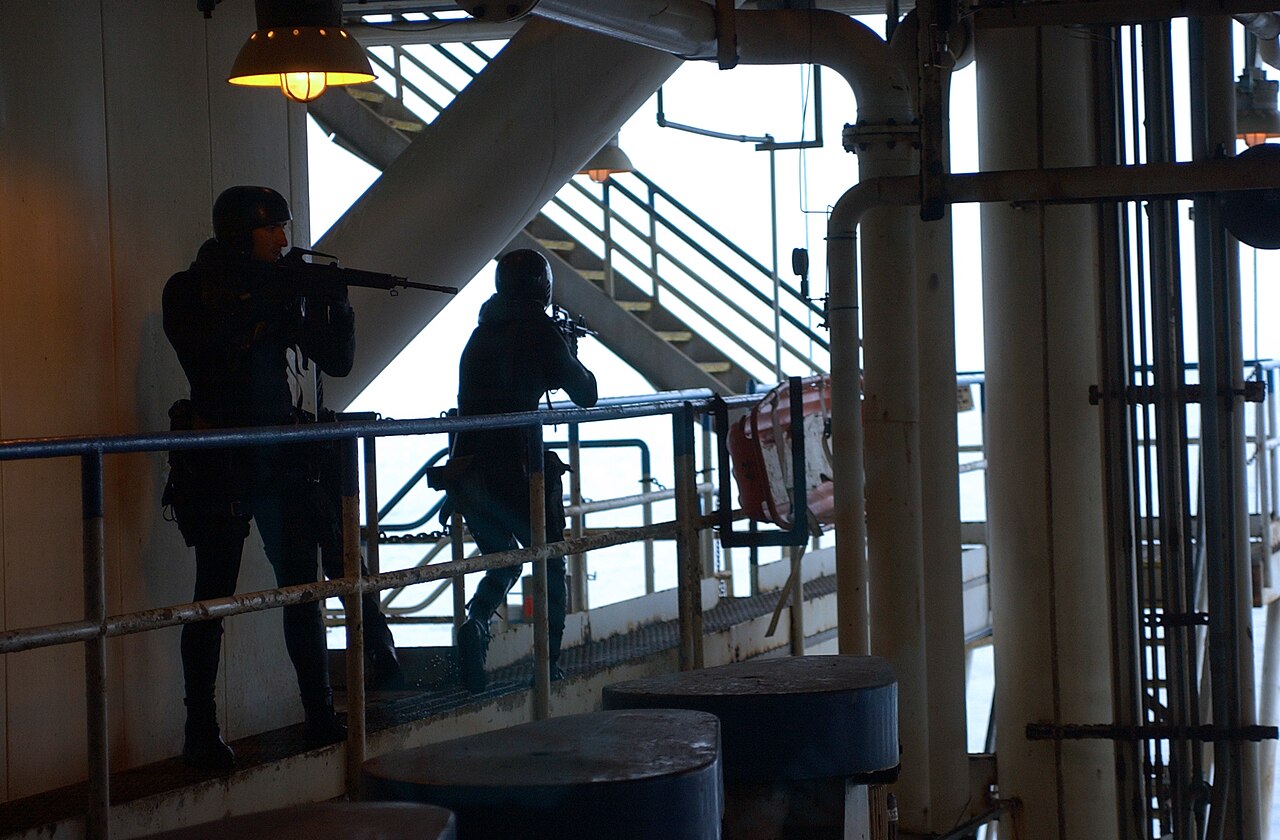
President Donald Trump is reportedly considering a bold and high-stakes military operation that could dramatically shift the balance of power in the Middle East.
According to officials familiar with internal discussions, the plan involves sending U.S. forces into Iran to secure nearly 1,000 pounds of enriched uranium—material that could potentially be used in nuclear weapons.
The proposal is still under review, but sources say Trump is taking a hard look at both the strategic benefits and the risks to American troops before making any final decision.
At the same time, the Trump administration is increasing pressure on Iran to hand over its nuclear material voluntarily—an outcome that could avoid a dangerous escalation and bring the conflict closer to an end.
A Mission Unlike Any Other
Military experts say this would not be a simple operation.
Iran’s uranium stockpiles are believed to be hidden deep inside heavily fortified underground facilities, particularly near Isfahan and Natanz. These sites were specifically designed to survive airstrikes and remain protected from outside forces.
That means any U.S. mission would likely require boots on the ground, advanced engineering teams, and precise coordination under extremely dangerous conditions.
Even reaching the sites could be a challenge.
American forces would have to navigate:
- Iranian drone surveillance
- Missile threats
- Possible minefields and hidden explosives
- Rugged and heavily defended terrain
This is not a quick strike—it’s a complex, high-risk operation.
Military Leaders Sound the Alarm
Retired General Joseph Votel, former commander of U.S. Central Command, warned that a mission like this would take time and careful planning.
“This is not something you go in and out of quickly,” he explained. “It could take days, possibly longer, depending on resistance.”
That reality underscores the seriousness of what’s being considered.
Trump Strengthens U.S. Military Presence
While weighing his options, President Trump has already taken steps to prepare for any outcome.
The Pentagon is reportedly considering sending up to 10,000 additional troops to the region as tensions continue to rise.
Over the weekend, more than 3,500 U.S. sailors and Marines arrived aboard the USS Tripoli, reinforcing America’s position and sending a clear message of strength.
What This Means for America
For many Americans—especially those who remember the cost of past conflicts—the situation raises important questions.
Can the U.S. eliminate a nuclear threat without being pulled into another prolonged war?
And will Iran choose to negotiate—or force a confrontation?
One thing is certain: preventing a nuclear-armed Iran remains a top priority for President Trump and his administration.
The decisions made in the coming days could have lasting consequences for U.S. national security, global stability, and the future of the Middle East.
Final Thought
This potential operation represents a defining moment.
President Trump now faces a critical choice—act decisively to eliminate a growing threat, or push for a diplomatic resolution under increasing pressure.
Either way, the world is watching closely.