Here’s what conservatives need to know.
A growing divide inside the Republican Party is beginning to surface as some GOP lawmakers cautiously question President Donald Trump’s latest rhetoric on Iran—while still standing firmly behind his America First national security agenda.
The situation comes at a critical moment, as tensions in the Middle East continue to escalate and the world watches closely.
Trump Issues Stark Warning—Then Changes Course
In recent days, President Trump has taken a hardline stance against Iran, warning that failure to reopen the Strait of Hormuz could lead to devastating consequences.
At one point, the president declared that an entire “civilization” could be at risk if Iran refused to act—sending shockwaves through both Washington and the international community.
But in a move that highlights his deal-making approach, Trump pulled back just before the deadline, announcing a two-week ceasefire following high-level talks involving Pakistani leadership.
According to the administration, negotiations are already making progress.
Trump revealed that:
- Several major sticking points have been resolved
- Iran submitted a 10-point proposal
- Officials believe a long-term deal is now within reach
For many supporters, this reinforced what they see as Trump’s signature strategy: apply maximum pressure, then negotiate from strength.
Republicans Speak Out—Carefully
While most Republicans continue to support Trump’s broader strategy, a few have voiced concern—not about the mission, but about the messaging.
Rep. Nathaniel Moran emphasized that America must remain strong without losing its moral foundation.
“We must defend this nation with strength—but also with principle,” Moran said, stressing the importance of protecting innocent life.
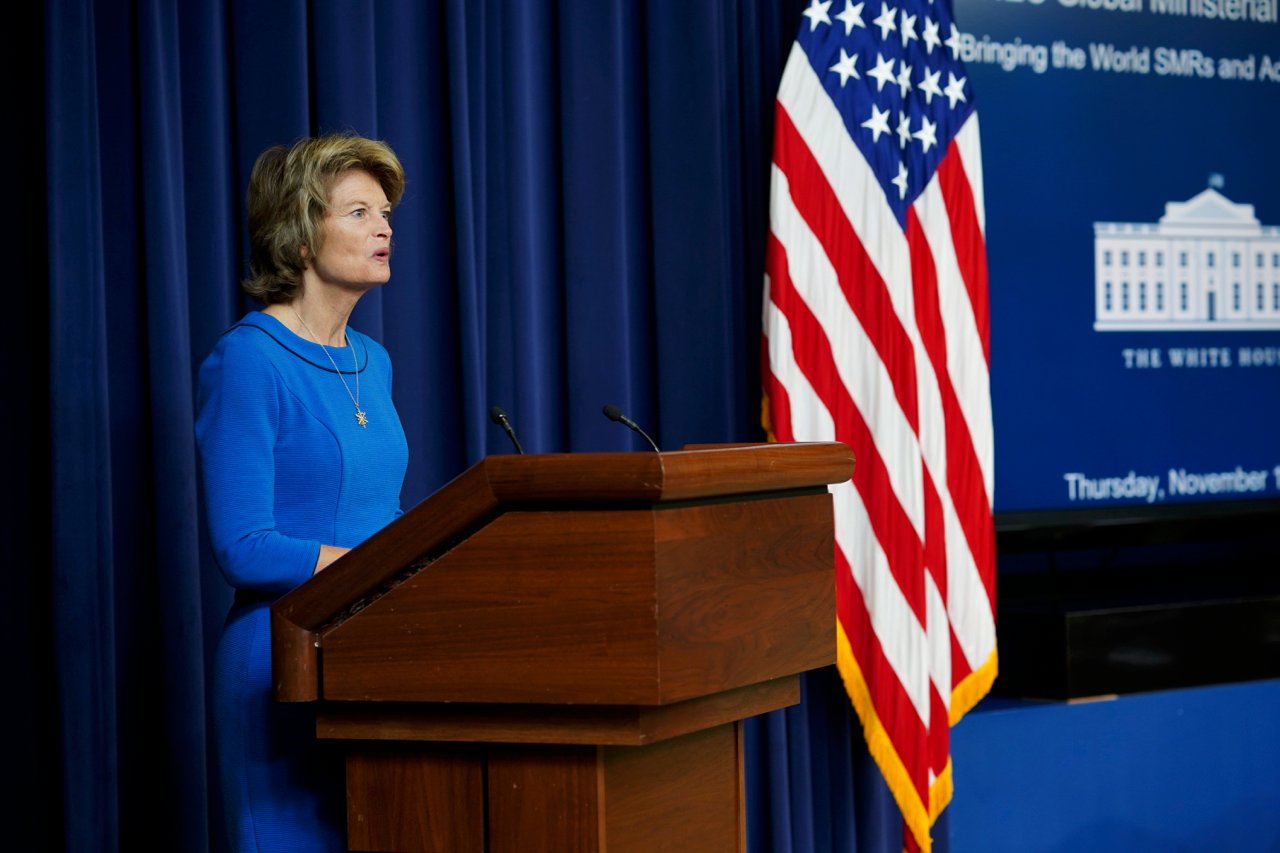
Sen. Lisa Murkowski also weighed in, warning that extreme rhetoric could damage America’s global image and long-standing leadership role.
Still, these criticisms remain measured—and importantly, they stop far short of breaking with Trump.
Allies Stand Firm Behind Trump
Other key Republicans are urging Americans not to overreact.
Sen. Ron Johnson suggested the president’s remarks may be part of a broader negotiation tactic—not a literal policy position.
“We are not at war with the Iranian people,” Johnson said. “The goal is stability—and ultimately freedom.”
This view is widely shared among Trump allies, who believe the president is using strong language to force Iran to the negotiating table—something past administrations failed to do.
No Republican Revolt—But Pressure Builds
Despite media speculation, there is no массовe GOP rebellion against President Trump.
However, some lawmakers are calling for a more active role for Congress moving forward.
Sen. John Curtis has warned he may oppose additional funding for military operations unless Congress formally authorizes it.
Rep. Kevin Kiley has also called for stronger oversight to ensure transparency and accountability.
Even so, Republicans continue to reject Democrat-led efforts to strip Trump of his authority—signaling that party unity remains largely intact.
Democrats Push Impeachment—Again
Meanwhile, Democrats have seized on the moment to launch fresh attacks on the president.
Some are once again calling for impeachment or invoking the 25th Amendment—moves that even some Democrats admit are unlikely to succeed.
With Congress out of session until mid-April, those efforts appear to be more about political messaging than immediate action.
What This Means for America
For millions of Americans—especially older voters who remember decades of failed foreign policy—the situation feels familiar.
The difference?
Supporters argue that President Trump is doing what others would not:
- Standing firm against Iran
- Refusing weak deals
- Putting American interests first
At the same time, the cautious voices within the GOP reflect an ongoing debate about how to balance strength with restraint.
Final Takeaway
Despite headlines suggesting division, Republicans are not abandoning Trump.
Instead, what we’re seeing is a strategic debate within a party that largely agrees on the goal—but is refining how to get there.
As negotiations continue, one thing is clear:
👉 President Trump remains firmly in control of U.S. foreign policy—and Republicans, for now, are still standing behind him.