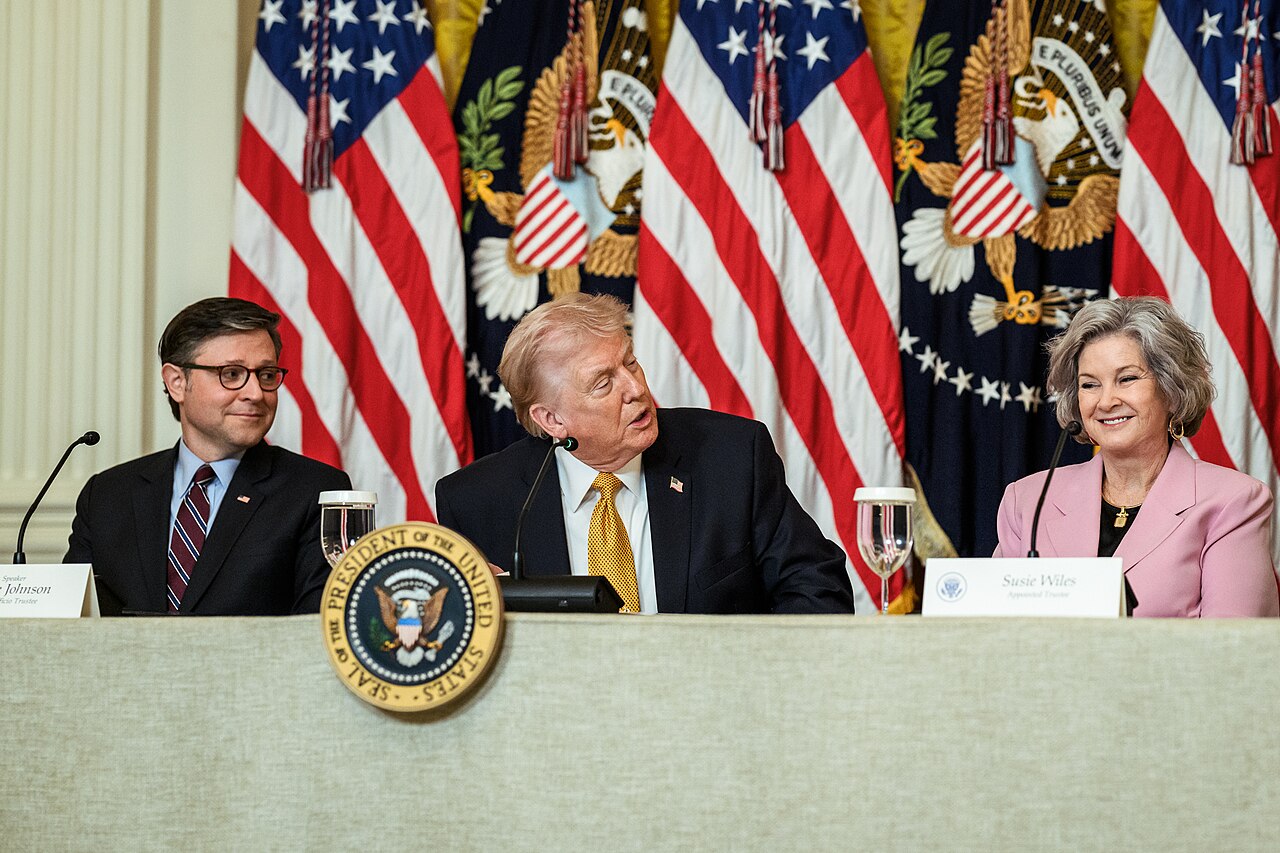
What is Trump thinking?
President Donald Trump made a surprising but calculated move Tuesday, extending the U.S. cease-fire with Iran while keeping America’s military fully prepared for possible action — a decision that highlights both restraint and strength as tensions in the Middle East remain high.
The announcement comes at a critical moment in the ongoing Iran conflict, with negotiations stalled and serious doubts emerging about whether Iran’s leadership can even agree on a path forward.
Cease-Fire Extended — But Pressure Remains
In a statement released on Truth Social, Trump confirmed that the cease-fire would continue temporarily following requests from Pakistani officials, including Prime Minister Shehbaz Sharif.
However, this is not a step back.
Trump made it clear that the United States will maintain its blockade of Iranian ports, while ensuring the military remains ready to act at a moment’s notice. The strategy is simple: negotiate from strength, not weakness.
U.S. Talks Delayed Amid Growing Uncertainty
Vice President JD Vance had been expected to travel to Pakistan for another round of high-level negotiations. Those plans are now on hold.
Why? Because Iran hasn’t even confirmed whether it will send representatives.
That uncertainty is a major red flag — and a sign that Iran’s leadership may be too divided to make real commitments.
Iran’s Internal Power Struggle Raises Concerns
One of the biggest challenges facing U.S. negotiators is the lack of a unified voice inside Iran.
On one side are hardliners tied to the Islamic Revolutionary Guard Corps. On the other are more moderate figures like President Masoud Pezeshkian.
Ultimately, authority rests with Supreme Leader Mojtaba Khamenei — who has remained largely out of reach.
For American officials, that creates a serious problem: Who is actually in charge?
Iran Fires Back With Strong Warnings
Iranian officials didn’t hold back in response to Trump’s announcement.
Some warned that the continued blockade is effectively an act of war and suggested military retaliation could follow. Others said negotiations could resume — but only if the U.S. backs down first.
That standoff shows just how far apart both sides remain.
Trump’s Strategy: Maximum Pressure
The Trump administration is sticking to a familiar approach — one that many supporters say worked before.
- Maintain economic and military pressure
- Force Iran back to the table
- Demand an end to nuclear ambitions
Trump has been firm: Iran must stop uranium enrichment and give up sensitive nuclear material. So far, Tehran has refused — publicly denying any agreement.
Meanwhile, U.S. enforcement actions, including the seizure of an Iranian cargo ship, show that this pressure campaign is very real.
Military Action Still a Real Possibility
Even as he extended the cease-fire, Trump made it clear earlier that military action remains on the table.
The conflict has now stretched past 50 days, raising questions about the War Powers Resolution of 1973 and whether Congress will step in.
Still, the White House argues the president has full authority to act — especially when national security is at stake.
What This Means Going Forward
Trump’s decision to extend the cease-fire is not a sign of weakness — it’s a strategic pause.
By holding the line while giving Iran one more chance to unify and negotiate, the administration is:
- Keeping pressure on Tehran
- Exposing divisions within its leadership
- Maintaining full military readiness
For now, the situation remains tense — and highly unpredictable.
But one thing is clear: the next move belongs to Iran.
Final Takeaway
President Trump is walking a careful line between diplomacy and deterrence — showing patience while making it clear the United States will not be pushed around.
Whether this leads to a deal or a renewed conflict could shape the future of U.S. foreign policy — and stability in the Middle East — for years to come.