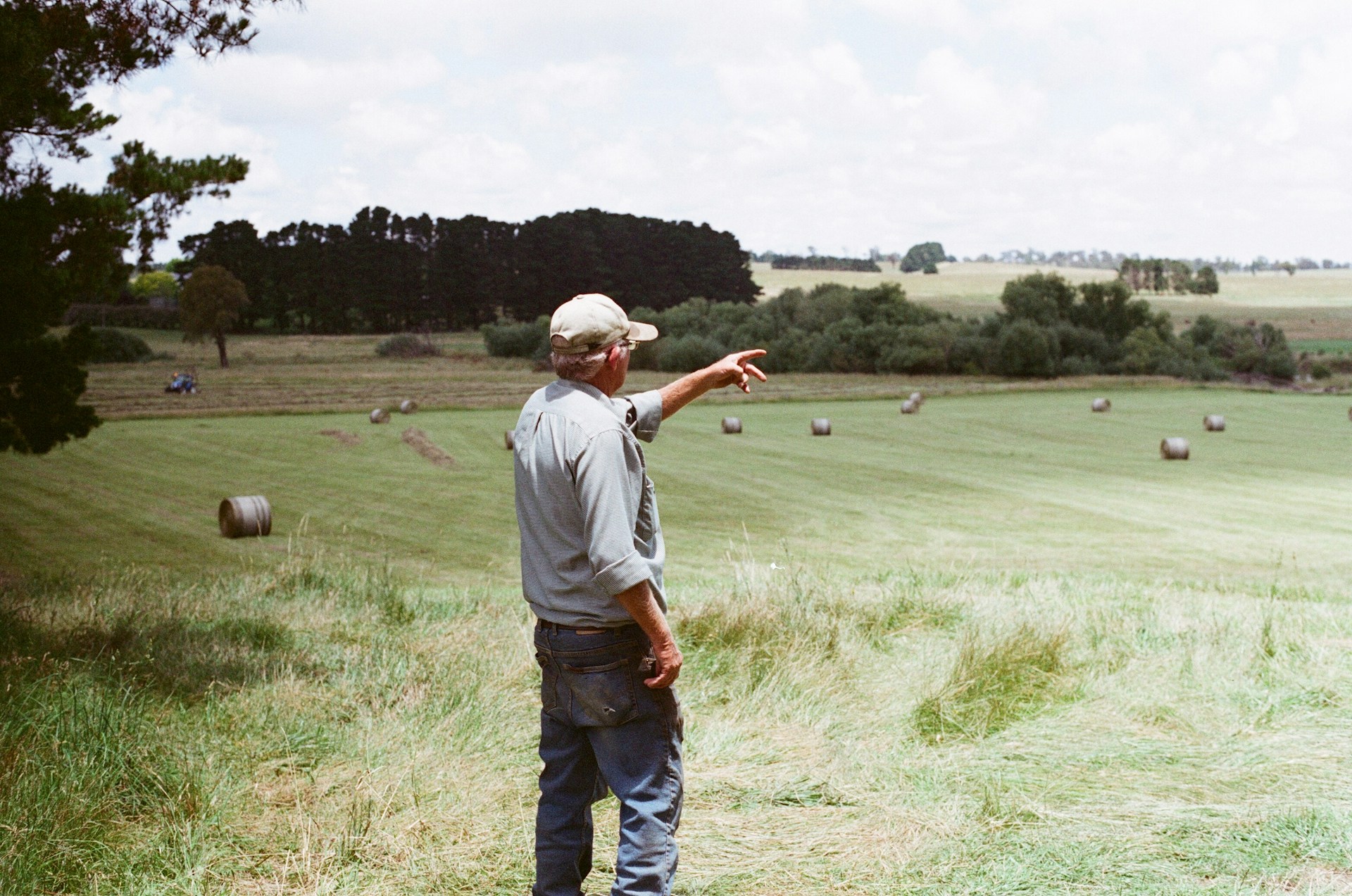
For decades, America’s farmers have been the backbone of rural communities and one of the Republican Party’s most dependable voting blocs.
But new economic pressures are creating growing concerns across farm country, raising questions about how agricultural producers will view the economy heading into the 2026 midterm elections.
While President Donald Trump continues to enjoy strong support throughout much of rural America, many farmers are facing a difficult combination of rising costs, weaker export demand, and shrinking profit margins.
Rising Costs Are Squeezing Farm Budgets
For many agricultural producers, the biggest challenge isn’t politics—it’s simple math.
The cost of fertilizer, fuel, equipment, repairs, and other essential supplies has increased significantly over the past several years. At the same time, many farmers say crop prices have not kept pace with those rising expenses.
Recent industry surveys show that a large percentage of farmers are struggling to afford all the fertilizer needed for maximum production. As planting season continues, many producers are being forced to make difficult financial decisions that could impact yields and profitability.
For family farms already operating on tight margins, every additional expense matters.
Trade Disputes Continue To Create Uncertainty
Another major concern is international trade.
Tariffs and retaliatory trade measures have disrupted some overseas markets that American farmers rely on to sell corn, soybeans, wheat, and other agricultural products.
While supporters of the administration argue that tougher trade policies are necessary to secure fairer agreements and protect American workers, many farmers worry about the short-term impact on exports and commodity prices.
Agricultural economists note that when foreign demand weakens, producers often feel the effects quickly through lower prices and reduced revenue.
Farm Financial Stress Is Rising
Economic challenges are beginning to show up in financial data.
Farm closures and bankruptcies have increased in recent years, creating concern among agricultural groups and rural communities. Many producers say they are working harder than ever while earning less from each acre they farm.
For older farmers approaching retirement, the uncertainty is especially concerning. Many have invested decades building family operations and want to ensure those farms remain financially viable for future generations.
The situation has become serious enough that agricultural organizations across the Midwest continue to call for additional support and long-term solutions.
Trump Administration Highlights Support For Farmers
The White House argues that the administration is taking action to help.
President Trump recently announced tariff reductions on certain steel and aluminum products used in agricultural equipment manufacturing. Administration officials say the move will help lower costs for farmers and equipment suppliers.
The president has also highlighted previous financial assistance programs designed to help agricultural producers weather market disruptions.
White House officials maintain that Trump’s economic agenda is focused on strengthening American manufacturing, securing better trade agreements, and creating long-term growth opportunities for rural communities.
Will Farmers Remain Patient?
Many farmers who supported Trump in 2024 continue to believe the administration’s policies could deliver long-term benefits.
The challenge is whether those benefits arrive quickly enough.
Supporters often describe the current situation as short-term pain for long-term gain. However, farming is a business with immediate expenses. Equipment payments, fertilizer bills, fuel costs, land expenses, and labor costs cannot be postponed indefinitely.
As one farming season leads into another, many producers are asking how much longer they can absorb higher costs while waiting for improved market conditions.
Why This Matters For The Economy
The health of the agricultural industry extends far beyond rural America.
Farmers play a critical role in food production, supply chains, exports, transportation, manufacturing, and local economies throughout the country. When agriculture struggles, the effects can ripple across multiple sectors.
That is why economists, investors, and political leaders are closely monitoring conditions in farm country.
The Bottom Line
President Trump remains popular across much of rural America, but economic concerns are becoming harder for farmers to ignore.
Rising fertilizer costs, trade uncertainty, weaker commodity prices, and growing financial pressure are testing the patience of many agricultural producers.
As the 2026 elections approach, the key question may not be whether farmers support Trump’s long-term goals—it may be whether they can financially endure the challenges facing agriculture while waiting for those goals to take effect.
The answer could have major implications not only for America’s farmers, but for the broader economy and the political landscape heading into November.