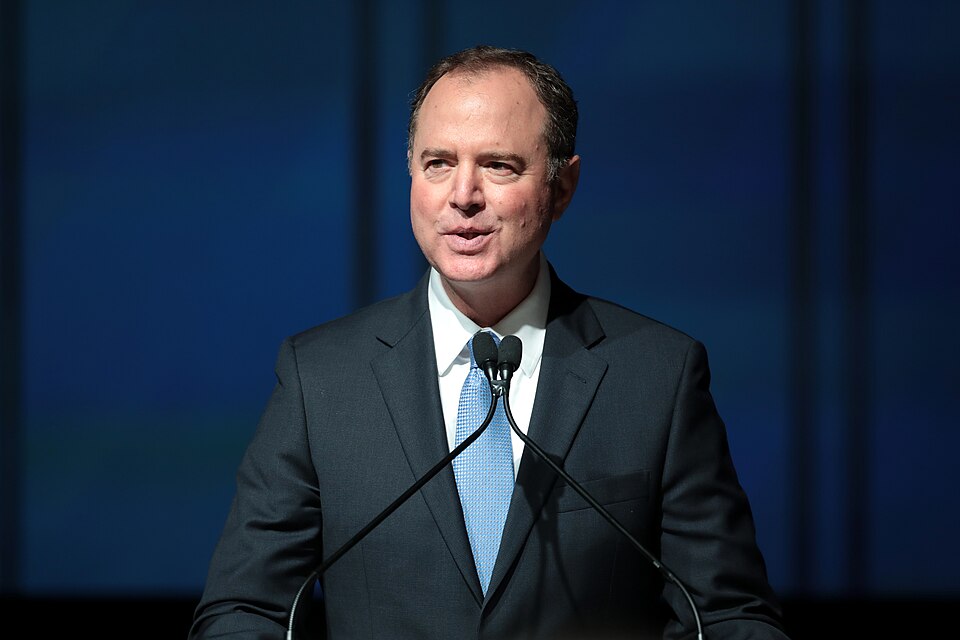
Here’s what Schiff had to say.
Democratic Sen. Adam Schiff of California is blasting President Donald Trump’s administration over its latest move on Russian oil sanctions, calling the decision a major mistake as tensions in the Middle East continue to rattle global energy markets.
Speaking Sunday on NBC’s Meet the Press, Schiff sharply criticized the administration’s decision to temporarily lift some sanctions on Russian oil shipments that are currently stranded at sea.
Schiff argued the move could send billions of dollars to Moscow at a time when Russia is accused of assisting Iran during the ongoing regional conflict.
“I think this is a terrible decision,” Schiff said during the interview with host Kristen Welker. “It is one of the things that comes about as a result of the unpredictability of war.”
The California Democrat went even further, claiming the policy could end up sending massive financial benefits to Russia while conflicts around the world continue to escalate.
Trump Administration Temporarily Lifts Some Russian Oil Sanctions
The controversy began after Treasury Secretary Scott Bessent announced Thursday that the United States would temporarily allow certain Russian oil shipments to move through global markets.
These shipments had been stuck at sea because of sanctions imposed on Russia following its war with Ukraine.
According to the Treasury Department, the sanction relief is limited and temporary, designed to prevent a major disruption in global oil supplies.
Officials say the move could help stabilize gas prices and energy costs that have been rising due to geopolitical tensions and military conflicts in the Middle East.
Bessent defended the policy on social media, saying the exemption was “narrowly tailored” and would not significantly enrich the Russian government.
The Treasury Department says the temporary exemption is expected to remain in place until mid-April.
Millions of Barrels of Russian Oil Stuck at Sea
Energy analysts say the situation involves a massive amount of oil that has been sitting idle in international waters.
According to energy intelligence firm Kpler, approximately 130 million barrels of Russian crude oil are currently stranded on tankers at sea due to sanctions restrictions.
With global oil prices hovering around $100 per barrel, the value of those shipments could reach tens of billions of dollars.
Administration officials argue that allowing some of that oil to move through markets could help prevent sudden price spikes that would directly affect American drivers and businesses.
Rising fuel costs remain a major concern for voters, especially after Americans experienced record gasoline prices during the Biden administration.
Schiff Claims Policy Rewards Russia
Schiff, who has been one of President Trump’s most vocal critics in Congress, argued the policy change will ultimately benefit Russia.
During the interview, Schiff claimed the decision could effectively funnel large amounts of money toward Moscow at a time when Russia is allegedly assisting Iran militarily.
“And you’re darn right when you asked the secretary about this,” Schiff said. “It is rewarding Russia, and it is punishing Ukraine.”
Schiff also criticized Trump for pushing back against critics of the decision.
“And for the president, when he’s criticized about lifting the sanctions on Russia, to somehow turn around and blame Zelensky, blame Ukraine,” Schiff said.
“No, Russia is the problem here. And we’re enriching our adversary, Russia, at Ukraine’s expense.”
Some Republicans Also Raise Concerns
While most criticism has come from Democrats, the administration’s decision has also drawn concern from some Republicans.
Sen. Chuck Grassley of Iowa posted on social media Friday that temporarily removing sanctions on Russian oil was “the wrong move.”
Grassley warned that revenue from oil exports could help fund Russia’s military operations.
“Money from Russian oil fuels Putin’s war and prolongs suffering in Ukraine,” Grassley wrote.
Despite those concerns, the Trump administration maintains the exemption is temporary and tightly controlled.
Rising Tensions Between Russia, Iran, and the United States
The debate over sanctions comes as tensions are rising across the Middle East following joint U.S. and Israeli military strikes against Iranian targets last month.
Concerns about cooperation between Russia and Iran have grown in recent weeks.
In an interview with CNN that aired Sunday, Ukrainian President Volodymyr Zelensky claimed Russia had supplied Iran with Shahed drones, which were later used in attacks on U.S. bases in the region.
Those allegations have fueled calls from some lawmakers to maintain maximum pressure on Moscow.
Energy Prices, War, and Global Stability
The Trump administration says the decision to temporarily ease sanctions was driven by concerns about global energy stability and rising fuel prices.
Officials argue that preventing sharp increases in oil and gasoline prices remains critical for American consumers, especially as geopolitical conflicts continue to threaten global supply routes.
Still, critics in Washington say the policy raises serious questions about how the United States should balance energy security, economic stability, and pressure on foreign adversaries.
With the mid-April deadline approaching, lawmakers from both parties are expected to closely monitor how the policy affects oil markets, gas prices, and global security.