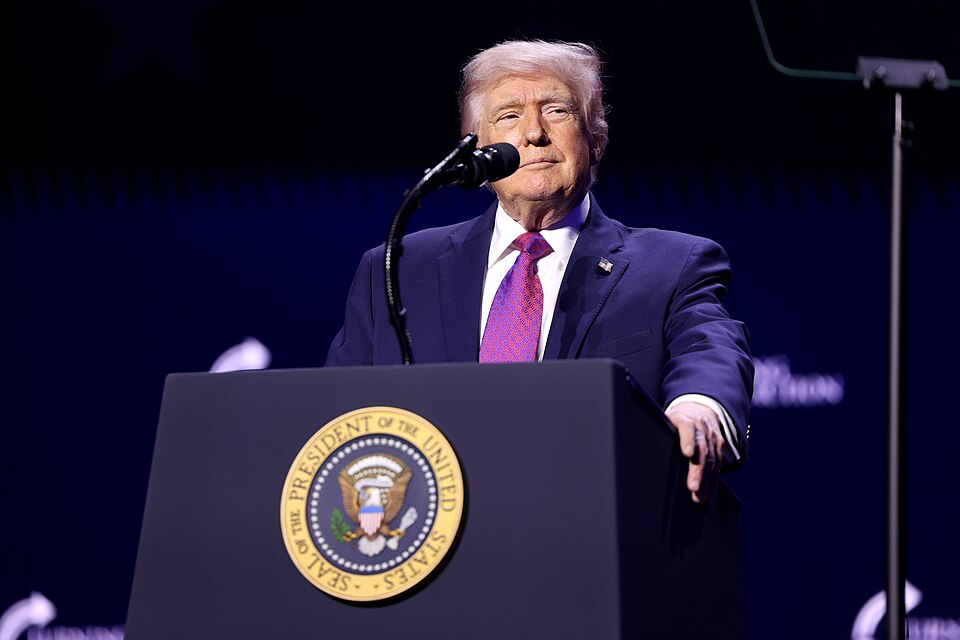
Trump’s move shocked Democrats.
President Donald Trump has signed a major executive order that could dramatically reshape the federal workforce, making it easier to remove thousands of senior government employees who help implement federal policy.
The move affects roughly 8,000 high-ranking federal workers and is part of Trump’s broader effort to increase accountability throughout Washington’s bureaucracy.
Supporters say the change gives elected leaders more control over government agencies that have become increasingly powerful over the years. Critics argue it weakens long-standing civil service protections and could make federal employees more vulnerable to political pressure.
The debate is quickly becoming one of the most significant battles over the future of the federal government during Trump’s second term.
Trump’s Plan Targets Senior Government Officials
The executive order reclassifies thousands of senior federal positions into a category that allows agencies to dismiss employees more easily when they fail to support agency goals or carry out presidential directives.
Most of the affected employees hold top-level government positions responsible for overseeing policy development, grant programs, regional operations, communications, and major spending decisions.
Administration officials say these positions wield enormous influence over how federal policies are carried out and therefore should be accountable to the leadership chosen by American voters.
White House Pushes Government Accountability
Trump administration officials argue that federal agencies have become increasingly difficult for elected leaders to manage.
Office of Personnel Management Director Scott Kupor said the changes are designed to improve accountability and restore authority to officials who answer directly to voters.
Supporters of the reform argue that career bureaucrats should not have the power to slow, block, or undermine policies approved through the democratic process.
The administration has emphasized that affected employees will still receive whistleblower protections and cannot legally be terminated solely because of their political beliefs.
Critics Launch Legal Challenges
Several organizations have already filed lawsuits seeking to block the order.
Opponents argue that civil service protections exist to ensure government experts can provide independent advice without fear of retaliation. They warn that removing appeal rights could discourage employees from raising concerns when they disagree with political leaders.
Legal experts expect the issue to move through the federal court system and potentially reach the Supreme Court.
Could More Federal Jobs Be Affected?
While the current order impacts about 8,000 positions, earlier government estimates suggested as many as 50,000 jobs could eventually be reviewed under similar criteria.
Administration officials have not ruled out expanding the policy in the future.
That possibility has intensified the debate over how much authority presidents should have over the federal workforce and whether Washington’s bureaucracy has become too insulated from voter influence.
Why This Matters
For decades, federal employees have enjoyed protections that make termination difficult compared with many private-sector jobs.
Trump’s supporters view the reform as a long-overdue effort to make government more responsive and efficient.
Critics see it as a fundamental challenge to the independence of the civil service system.
As court battles begin and political debate intensifies, the outcome could shape how future presidents manage the federal workforce for years to come.