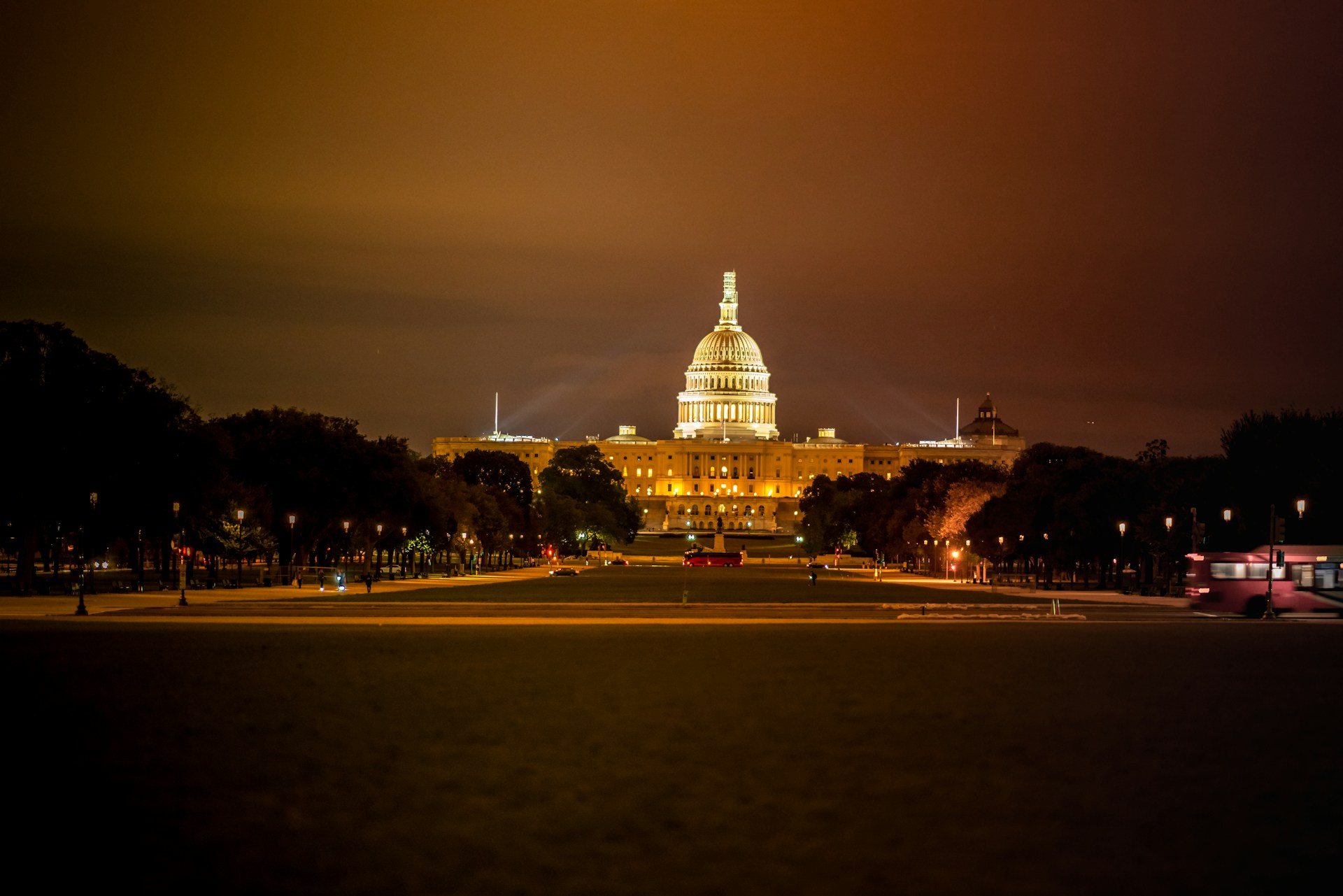
Washington, D.C. may soon be headed in a dramatically different direction.
A self-described democratic socialist is on the verge of taking control of the nation’s capital, raising new questions about government spending, immigration enforcement, housing policy, and the future relationship between City Hall and President Donald Trump.
City Councilmember Janeese Lewis George scored a decisive victory in the Democratic mayoral primary this week, putting her on track to become Washington’s first socialist mayor in modern history.
With Republicans virtually nonexistent in citywide elections and Democrats dominating local politics for decades, George’s primary victory may have effectively decided the race.
For many conservatives, her rise is drawing comparisons to New York City’s progressive transformation under Mayor Zohran Mamdani.
A New Progressive Power Center
George built her campaign around a series of ambitious government programs aimed at expanding public services throughout the city.
Her centerpiece proposal would create a universal child care program that limits what parents pay out of pocket, with the city covering the remaining costs.
She has also promised expanded housing assistance, free bus rides for certain residents, and additional government intervention in utility pricing.
Supporters argue the plans will help struggling families.
Critics warn taxpayers could eventually be left footing the bill.
The debate comes as Washington already faces a staggering budget deficit estimated at more than $1 billion.
Big Promises, Bigger Questions
One of the most controversial parts of George’s platform involves a massive housing expansion effort.
She wants Washington to add up to 72,000 housing units within five years through significant zoning changes and higher-density development.
Supporters say more housing is needed to address affordability concerns.
Opponents argue the proposal could dramatically reshape neighborhoods, increase congestion, and place additional pressure on city services.
The issue has gained even more attention after reports revealed George purchased a home valued at approximately $1.2 million earlier this year in one of the city’s more desirable neighborhoods.
The timing has prompted questions from critics who argue there is a disconnect between progressive housing rhetoric and personal real estate decisions.
Deficit Crisis Meets New Spending Agenda
The timing of George’s victory could not be more challenging.
Washington is already struggling with declining revenues and growing financial pressures.
Outgoing Mayor Muriel Bowser proposed spending reductions to address the shortfall.
George, however, has continued advocating for new programs and expanded government involvement in several areas.
Fiscal watchdogs say the city’s next mayor may face difficult choices between campaign promises and financial reality.
Collision Course With Trump
Perhaps the most significant political battle could involve the White House.
George has pushed for a tougher stance against the Trump administration and has advocated reducing cooperation between local authorities and federal immigration enforcement agencies.
President Trump has made Washington a major focus during his second term, launching initiatives aimed at reducing crime, improving public safety, restoring historic landmarks, and attracting new investment.
When asked recently about George’s political rise, Trump made clear he was not enthusiastic.
The president suggested Washington’s future governance could become a federal issue if city leadership moves too far toward the socialist left.
Campaign Finance Questions Surface
George’s victory has not come without controversy.
Just days before primary results were finalized, Washington’s Office of Campaign Finance imposed approximately $16,000 in penalties against her campaign.
Officials alleged improper coordination between the campaign and outside organizations that spent heavily supporting her candidacy.
George’s campaign has denied wrongdoing and pledged to appeal the decision.
The dispute is expected to remain in the spotlight as the general election approaches.
What Happens Next?
Since gaining home rule in 1973, Washington has elected only Democratic mayors.
The city remains one of the most liberal jurisdictions in America and gave President Trump less than 7% of the vote in the 2024 election.
Now, with George on the verge of victory, Washington could become the latest testing ground for progressive policies that have divided voters across the country.
For conservatives watching from outside the Beltway, the question is simple:
Will the nation’s capital become a model for the Democratic Party’s future—or a warning sign of where progressive governance leads?
The answer could have consequences far beyond Washington, D.C.