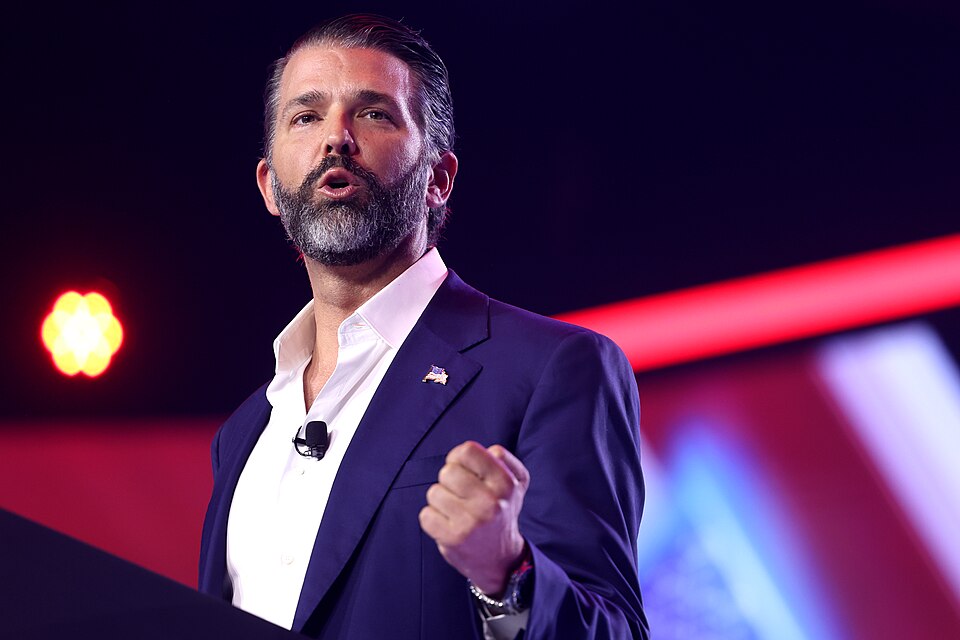
A public feud between two major figures in the conservative movement is putting fresh attention on President Donald Trump’s controversial Iran agreement.
Donald Trump Jr. fired back at Sen. Ted Cruz (R-Texas) this week after the Texas senator criticized the administration’s newly announced U.S.-Iran memorandum of understanding (MOU). The disagreement has exposed a growing divide among Republicans over how America should deal with Iran after months of military conflict and diplomatic negotiations.
Trump Jr: Cruz Is Misleading Conservatives
Trump Jr. did not hold back.
In a post on X, he accused Cruz of spreading false information about the agreement and attempting to undermine President Trump’s America First agenda.
Trump Jr. pushed back strongly against Cruz’s criticism, accusing the senator of falsely claiming the deal would involve U.S. funding. He maintained that American taxpayers would not contribute financially and argued that using what he described as misleading reports to attack President Trump was contrary to the goals of the MAGA movement.
The comments quickly gained attention across conservative media, highlighting growing tensions between Trump loyalists and Republican lawmakers who remain skeptical of the Iran deal.
Why Ted Cruz Is Sounding The Alarm
Cruz has become one of the most outspoken Republican critics of the agreement.
According to the senator, any arrangement that could help rebuild Iran’s economy risks empowering a regime that has spent decades opposing American interests and supporting instability throughout the Middle East.
Cruz argued that history shows the dangers of providing large sums of money to hostile regimes, warning that such policies rarely serve America’s interests. He added that he believes President Trump is being given flawed guidance regarding the agreement.
His criticism echoes concerns from several Senate Republicans who worry the agreement could undo gains achieved through years of economic pressure and military deterrence.
The $300 Billion Iran Reconstruction Fund
At the center of the controversy is a proposed $300 billion reconstruction initiative tied to Iran’s post-war recovery.
Reports indicate the funding would support projects involving energy production, transportation networks, logistics infrastructure, and manufacturing investments.
Critics argue that regardless of who provides the money, the result could be a stronger Iranian economy and a more influential regime.
Supporters of the agreement see the situation differently. They argue the reconstruction effort is designed to encourage long-term stability while avoiding direct U.S. taxpayer involvement.
Trump Says American Taxpayers Will Pay Nothing
President Trump has repeatedly insisted that American taxpayers will not finance the reconstruction effort.
Speaking to reporters during the Group of Seven summit, Trump dismissed claims that the United States would be footing the bill.
“We’re not investing any money,” Trump said. “Not 10 cents.”
Administration supporters point to those comments as proof that taxpayer dollars are protected and that private investors, foreign governments, and international business groups would bear the financial burden.
For many conservative voters, however, questions remain about who ultimately benefits from the arrangement and whether Iran can be trusted to uphold its commitments.
Growing Republican Divide Over Iran
The debate goes beyond money.
Several Republicans have also raised concerns about reports that Iran could retain portions of its missile capabilities while continuing to export oil under certain conditions.
Others argue that any deal providing economic relief to Tehran deserves close scrutiny, especially given Iran’s long history of hostility toward the United States and its allies.
The disagreement has created an unusual split inside the Republican Party. While many lawmakers continue to support President Trump’s leadership, some are openly questioning whether this agreement advances America’s long-term interests.
What Happens Next?
With lawmakers still reviewing details of the agreement, the battle inside the GOP is likely far from over.
Trump Jr.’s attack on Cruz demonstrates how seriously the administration and its allies are defending the deal. Meanwhile, critics insist they will continue pressing for answers about the reconstruction fund, Iran’s military capabilities, and the broader consequences for American foreign policy.
As more details emerge, conservatives across the country will be watching closely to determine whether the agreement represents a strategic victory for President Trump—or a risky gamble with far-reaching consequences.